2026 Top Hot Rolled Steel Coils Trends for Global Buyers?
As we approach 2026, the market for Hot Rolled Steel Coils is experiencing significant transformations. Global buyers face an evolving landscape influenced by various trends. Understanding these shifts is crucial for making informed purchasing decisions.
Hot Rolled Steel Coils serve as vital components across multiple industries. Automotive, construction, and manufacturing sectors heavily rely on this material for its strength and versatility. However, the demand fluctuates. Factors such as global economic conditions and supply chain dynamics directly impact prices and availability.
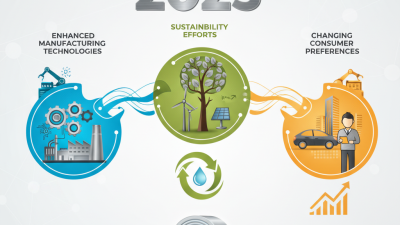
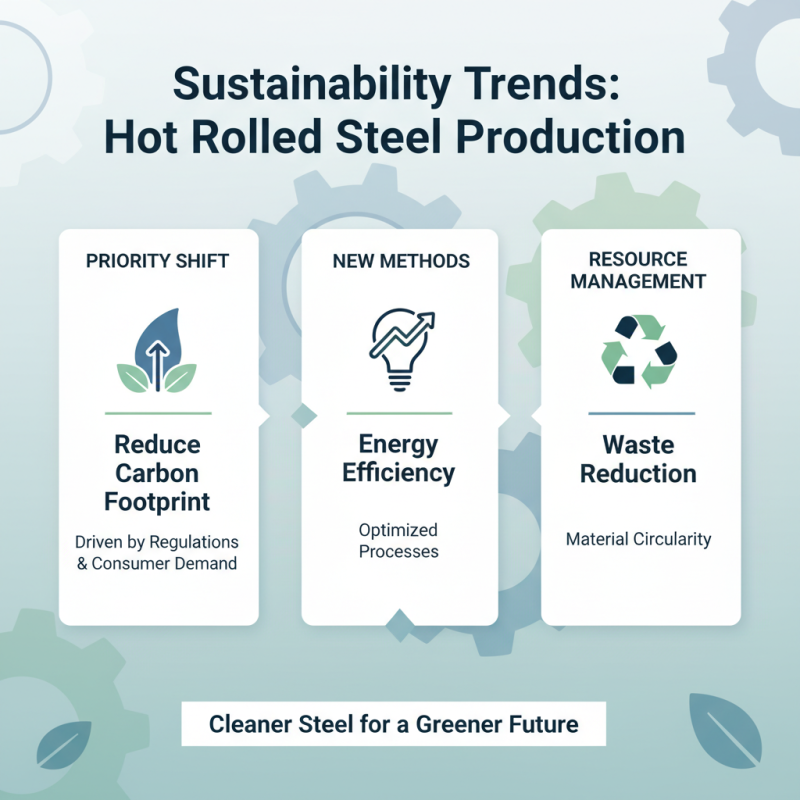
Buyers should pay attention to sustainability trends. The push for environmentally friendly practices is reshaping production methods. Innovations in recycling and reducing carbon footprints are gaining traction. Businesses that adapt to these changes may gain competitive advantages. Yet, navigating these trends can be challenging. Continuous research and expert guidance are essential for success.
Emerging Markets Influencing Hot Rolled Steel Coil Demand in 2026
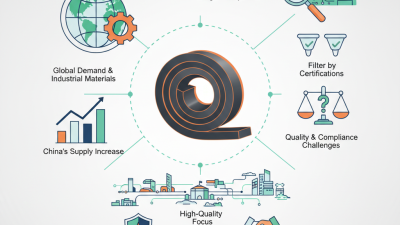
The demand for hot rolled steel coils in 2026 is largely driven by emerging markets. Countries such as India, Brazil, and Indonesia are experiencing rapid industrialization. According to the World Steel Association, global steel demand could increase by over 1.5% annually, largely due to these regions.
India's steel consumption is projected to grow by 7% annually through 2026. Infrastructure projects are a key component of this growth. Meanwhile, Brazil is focusing on expanding its automotive and construction sectors, which rely heavily on steel products. Indonesia’s government has launched initiatives to boost manufacturing, driving demand for hot rolled steel.
However, these markets face challenges. Political instability can impact production capacity. Moreover, environmental regulations are becoming stricter. Steel manufacturers must adapt to these changes. The need for sustainable practices is growing. Many emerging markets are not fully prepared for this transition. Balancing growth and sustainability remains a pressing issue in the industry.
Technological Innovations Shaping Hot Rolled Steel Manufacturing Processes
Technological innovations are reshaping the hot rolled steel manufacturing process. Automation is becoming more prevalent. Factories are integrating advanced robotics and AI systems. These technologies increase efficiency and precision. According to a recent industry report, automation can reduce production costs by up to 30%. This shift may enhance the overall quality of hot rolled steel products.
Quality control is also vital. Emerging technologies like real-time monitoring systems allow for immediate feedback. These systems help identify defects during production. A study shows that real-time monitoring can improve defect detection rates by 40%. However, there are challenges. Implementing these systems requires significant investment. Smaller manufacturers might struggle to keep pace with bigger players.
Sustainability is another key trend. The steel industry is under pressure to reduce carbon emissions. Innovations such as electric arc furnaces show promise. These furnaces use recycled materials and consume less energy. However, transitioning to greener practices may take time. The balance between innovation and cost remains delicate.
2026 Top Hot Rolled Steel Coils Trends for Global Buyers
| Trend |
Description |
Impact on Industry |
Projected Growth (%) |
| Automation in Production |
Increased use of robotic and automated systems in manufacturing. |
Higher efficiency and reduced labor costs. |
15% |
| Sustainability Practices |
Incorporation of eco-friendly materials and processes. |
Minimizes environmental impact and meets regulations. |
20% |
| Digital Transformation |
Use of AI and IoT for process optimization. |
Improved decision-making and resource management. |
18% |
| Advanced Alloys |
Development of high-strength and lightweight materials. |
Enhanced performance of steel products. |
12% |
| Market Globalization |
Increased trade and partnership across borders. |
Broader market reach and diversified investments. |
10% |
Key Factors Driving Price Fluctuations in Hot Rolled Steel Coils
In 2026, the demand for hot rolled steel coils is expected to be influenced by various key factors. Recent industry reports indicate that global production is projected to reach 1.5 billion tons by the end of the year. This growth stems from the rising need for steel in construction and automotive sectors. However, fluctuations in raw material prices can create volatility in the market.
Market analysts highlight that iron ore prices, which account for roughly 70% of steel production costs, have seen significant variance. For instance, a 15% increase in iron ore prices was observed in early 2023. This trend is driven by supply chain disruptions and geopolitical tensions. Such factors complicate pricing for buyers, who must navigate these shifts carefully.
Furthermore, energy costs are pivotal in determining hot rolled steel coil prices. The transition to greener energy sources adds a new layer of complexity. As countries strive for sustainability, energy prices can fluctuate wildly. Recent data shows that energy costs have risen by 20% in Europe alone. This scenario forces manufacturers to adjust their pricing strategies, ultimately impacting buyers globally.
Consumer Preferences and Their Effect on Hot Rolled Steel Coil Designs
In recent years, consumer preferences for hot rolled steel coils have evolved significantly. Buyers now demand more than just strength; they seek customization and versatility. This shift affects how manufacturers design steel coils. Customers want specific thicknesses, widths, and finishes. They also value sustainability, pushing for eco-friendly practices in production.
Understanding these preferences becomes crucial for suppliers. They need to stay updated on trends. However, many companies struggle to adapt to changing consumer demands. Some continue to produce standard options, missing opportunities in niche markets. As clients increasingly look for tailored solutions, businesses must navigate this challenge effectively.
Quality is still paramount, but aesthetics are rising in importance. Buyers are looking for coils that not only perform well but also suit specific applications. Balancing performance and design is a delicate task. Companies may find themselves facing instability in supply chains while trying to meet these new requirements. The path ahead requires keen insights and adaptability to thrive in a competitive market.