Leave Your Message

Top 10 Benefits of Using Cold Rolled Sheet for Your Project?

When embarking on a project that requires strength and durability, the choice of materials is crucial. Cold Rolled Sheet has gained recognition for its unique properties. Many industries rely on it for a wide range of applications. Its ability to withstand stress makes it an ideal choice for construction, automotive, and manufacturing sectors.

The manufacturing process of Cold Rolled Sheet enhances its surface finish and mechanical properties. This results in a smoother and more uniform appearance. Projects often benefit from this level of detail. Additionally, Cold Rolled Sheet offers superior dimensional accuracy, which can reduce waste and save costs. However, potential drawbacks exist, such as susceptibility to corrosion if not properly treated.

Understanding these benefits enables better material selection. Cold Rolled Sheet provides reliable solutions for diverse engineering challenges. Its versatility and strength make it a preferred choice, but careful consideration is essential. Each project has unique demands, and recognizing these can lead to more successful outcomes.
Top 10 Benefits of Using Cold Rolled Sheet for Your Project?

Benefits of Increased Strength and Durability of Cold Rolled Sheets

Cold rolled sheets are known for their increased strength and durability. These sheets undergo a series of processes that enhance their mechanical properties. The rolling process is done at room temperature, resulting in a fine surface finish and tighter dimensions. This method improves yield strength, making them ideal for structural applications. The added stiffness allows these sheets to resist deformation under loads.

Additionally, cold rolled sheets have superior fatigue resistance. This means they can endure repeated stress over time without succumbing to cracks. Engineers often choose them for projects requiring a robust material that can withstand harsh conditions. The smooth surface of cold rolled sheets also enhances paint adhesion and corrosion resistance, adding to their longevity.

However, their brittleness can sometimes pose a challenge. Improper handling may lead to surface imperfections. Some projects may require additional treatments to enhance flexibility. Understanding these aspects helps in utilizing cold rolled sheets effectively, ensuring they serve their purpose while minimizing potential drawbacks.
Top 10 Benefits of Using Cold Rolled Sheet for Your Project

Enhanced Surface Finish and Aesthetic Appeal of Cold Rolled Products

Top 10 Benefits of Using Cold Rolled Sheet for Your Project?

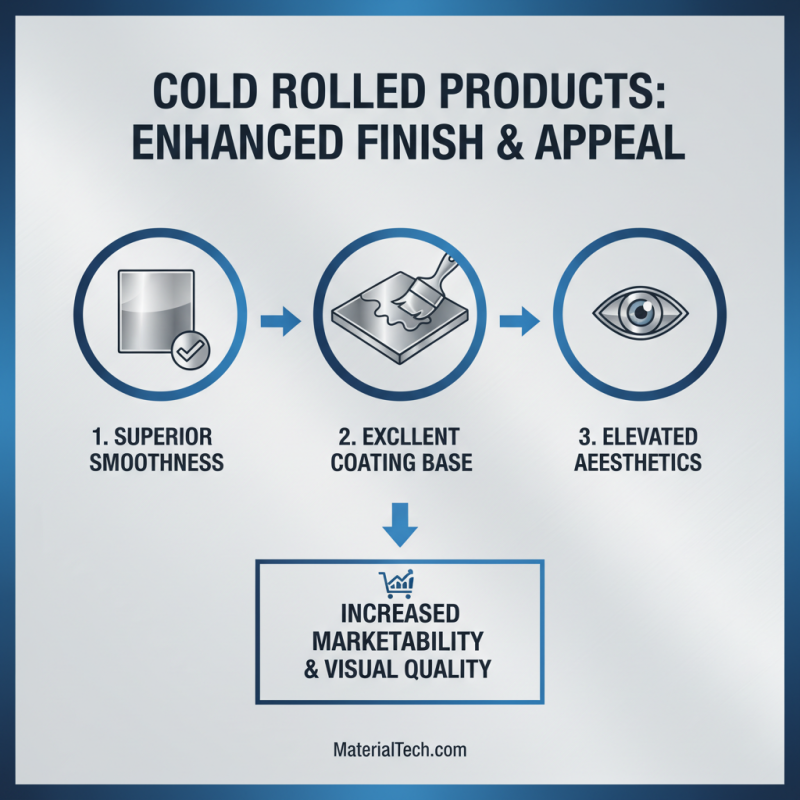
Cold rolled sheet products are known for their impressive surface finish and aesthetic appeal. The finishing process enhances the material's smoothness, which can elevate the overall look of any project. This smooth surface provides an excellent backdrop for paints, coatings, or other finishes. The visual quality of cold rolled sheets can significantly impact a product's marketability.

Moreover, the uniformity of the finish offers a modern, sleek appearance that can attract customers. This is particularly beneficial in industries like architecture and automotive, where visual presentation matters. These sheets also have fewer imperfections than hot rolled sheets. However, even the best cold rolled products can occasionally show minor blemishes. Acknowledging these imperfections helps in understanding the quality spectrum.

Surface treatments can further enhance the allure of cold rolled sheets. Options like galvanization or powder coating can add allure while protecting against corrosion. A thoughtful approach to selecting the finish can drastically change the perception of the final product. Yet, it’s crucial to balance cost and aesthetic needs. Sometimes, what looks best may not align with budget constraints or functional requirements. Evaluating these trade-offs can lead to better decision-making.

Improved Dimensional Accuracy and Precision in Manufacturing Processes

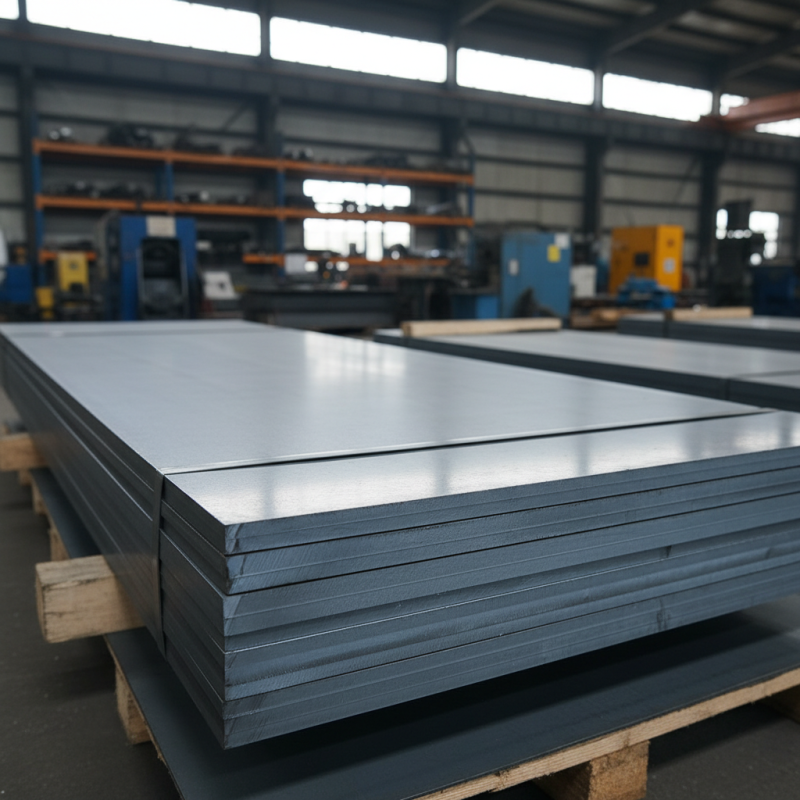
When it comes to manufacturing processes, improved dimensional accuracy is critical. Cold rolled sheet metal excels in maintaining precise measurements during production. The cold rolling process enhances the metal’s strength, resulting in less deformation. This property is especially important for industries requiring tight tolerances, such as automotive and aerospace sectors.


Manufacturers often face challenges with fluctuations in material thickness. Cold rolled sheets address this issue effectively. The consistent surface finish and thickness reduce variability, which minimizes the risk of errors during assembly. While the upfront investment may be higher, the long-term accuracy can lead to significant savings. It’s essential to weigh the benefits against potential drawbacks, such as the need for careful handling to avoid damage.


However, improvements in precision do not negate the importance of skilled craftsmanship. Over-reliance on perfect materials can lead to complacency. A balance is needed between high-quality materials and experienced workers to achieve optimal results. In the end, using cold rolled sheet can transform a project, but critical analysis of both materials and methods remains crucial.

Cost-Effectiveness and Material Efficiency for Various Applications

Top 10 Benefits of Using Cold Rolled Sheet for Your Project?

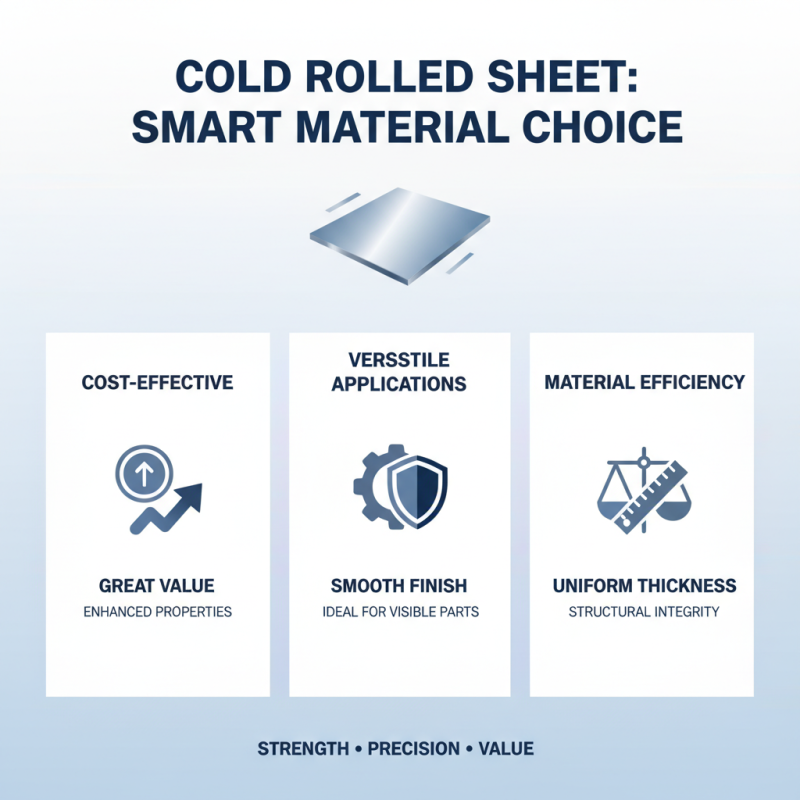
When considering materials for your project, cold rolled sheet stands out for its cost-effectiveness. It provides great value due to its enhanced properties. Cold rolled sheet has a smooth finish, making it ideal for visible parts of a design. Its uniform thickness ensures that your project maintains structural integrity without excess weight.

In addition to being affordable, cold rolled sheet maximizes material efficiency. It requires less energy to produce compared to some alternatives, reducing production costs. This eco-friendliness may appeal to environmentally conscious projects. Cold rolled sheets can be easily shaped and welded, adding versatility to various applications. However, one must be cautious about potential warping during the manufacturing process. This necessitates careful handling and precision during design.

Despite its advantages, cold rolled sheet may not suit every application. Some projects may require more robust materials, depending on the intended use. Therefore, weighing the benefits against specific project requirements is crucial.

Versatility of Cold Rolled Sheets in Different Industries and Projects

Cold rolled sheets are known for their exceptional versatility across various industries. From automotive to construction, these sheets serve multiple purposes. In automotive manufacturing, they are crucial for creating components that require precision and strength. The smooth surface finish of cold rolled sheets provides a great foundation for further processing, such as painting or coating. This characteristic enhances both aesthetics and durability.

In the construction industry, cold rolled sheets are commonly used for framing and structural elements. Their ability to withstand intensive loads while remaining lightweight makes them an ideal choice. However, they can be prone to rust if not treated properly. Reflecting on this, companies must implement effective protection measures during production and installation. In electronics, cold rolled sheets offer significant benefits in fabricating components. Their tight tolerances and uniformity help ensure high-performance outcomes in circuit boards and enclosures, ultimately improving reliability in various applications.

While cold rolled sheets present numerous advantages, challenges remain. Working with them can require specialized tools and techniques. Awareness of these limitations helps industries maximize the benefits while minimizing potential drawbacks. With ongoing innovations, the future of cold rolled sheets looks promising, yet careful consideration is necessary for successful implementation.
Top 10 Benefits of Using Cold Rolled Sheet for Your Project

Benefit Description Industries Application Examples
High Strength Cold rolled sheets have superior strength due to the manufacturing process. Automotive, Construction Car bodies, Structural beams
Superior Surface Finish Produces a smooth, polished surface that is aesthetically pleasing. Manufacturing, Consumer Goods Home appliances, Decorative items
Precision Exact thickness and dimensions for high precision needs. Electronics, Aerospace Circuit boards, Aircraft components
Versatility Can be used in a variety of applications across multiple industries. Construction, Metalworking Roofing, Machinery parts
Formability Easily formed into various shapes and sizes. Automotive, Appliance manufacturing Housings, Body panels
Cost-Effective Reduced material costs making it an economical choice. Construction, Fabrication Building frames, Joinery
Weldability Can be easily welded to other metals without issues. Manufacturing, Engineering Frames, Structural supports
Availability Widely available in various grades and thicknesses. General Industry, Retail Stock sheets, Custom cuts
Environmental Impact Can be recycled, reducing waste. Construction, Manufacturing Sustainable building materials
Consistency Consistent quality and performance ensuring reliability. Various industries Critical components in machinery