Top 10 Benefits of Using Copper Pipes in Home Plumbing Systems?
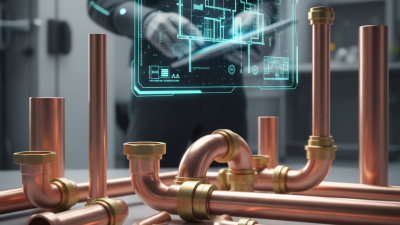
Copper pipes have long been a preferred choice in home plumbing systems. Renowned plumbing expert, John Smith, once said, "Copper pipes are reliable and durable, making them an excellent investment." This statement holds true as homeowners consider various materials for their plumbing needs.
The benefits of using copper pipes extend beyond mere aesthetics. They are known for their ability to resist corrosion and withstand high temperatures. Additionally, copper pipes have a natural antibacterial property, reducing the risk of bacterial contamination in water. Their longevity can outweigh the initial costs, which may seem daunting at first glance.
However, it's essential to weigh choice carefully. While copper pipes offer numerous advantages, they might not be suitable for every situation. Specific environments could lead to issues like pinhole leaks, which can cause significant damage if not addressed promptly. In the end, understanding both the positives and negatives of copper pipes is vital for making an informed decision.
Benefits of Copper Pipes for Longevity in Plumbing Systems
Copper pipes have long been favored in plumbing systems due to their exceptional longevity. These pipes can last up to 50 years or more. Their durability means fewer leaks and less need for replacements. With copper, homeowners often experience fewer headaches over time. This reliability is especially valued in areas with hard water, where other materials might deteriorate quickly.
Another important benefit is the natural resistance of copper to corrosion. Unlike plastic pipes, which can degrade under UV light, copper stands strong against various environmental factors. This property ensures that the water supply remains clean and safe. However, it is essential to monitor for potential corrosion in old systems. Accumulated mineral deposits may lead to reduced water flow. Regular inspections can help in identifying these concerns early on.
Copper pipes also offer excellent thermal conductivity. They can efficiently transfer heat, making water heating processes quicker. This can result in lower energy bills over time. However, if not properly insulated, they may lose heat and cause inefficiencies. Balancing efficiency with proper installation is crucial for maximizing this benefit. Homeowners should consider both the strengths and the challenges that come with using copper pipes in their plumbing systems.
Corrosion Resistance: Why Copper Pipes Stand the Test of Time
Copper pipes are widely recognized for their impressive corrosion resistance. They can withstand harsh conditions better than many alternatives. According to the Copper Development Association, copper pipes can last over 50 years when properly installed. This longevity proves essential for homeowners seeking durable plumbing solutions.
Corrosion is a significant concern in plumbing systems. Some materials can corrode quickly, leading to leaks and costly repairs. Copper, on the other hand, develops a protective layer of patina over time. This layer shields the pipe from further corrosion, ensuring a longer lifespan. Research has shown that copper's natural resistance to bacteria further enhances its appeal for safe drinking water.
Tip: To maintain the integrity of your copper pipes, ensure proper insulation against temperature extremes.
However, it’s essential to acknowledge that improper installation can lead to issues. Copper may also react with certain impurities in water, which can harm the pipes. Understanding water quality is crucial for homeowners using copper plumbing.
Tip: Regularly check water pH levels to avoid potential corrosion problems.
Top 10 Benefits of Using Copper Pipes in Home Plumbing Systems
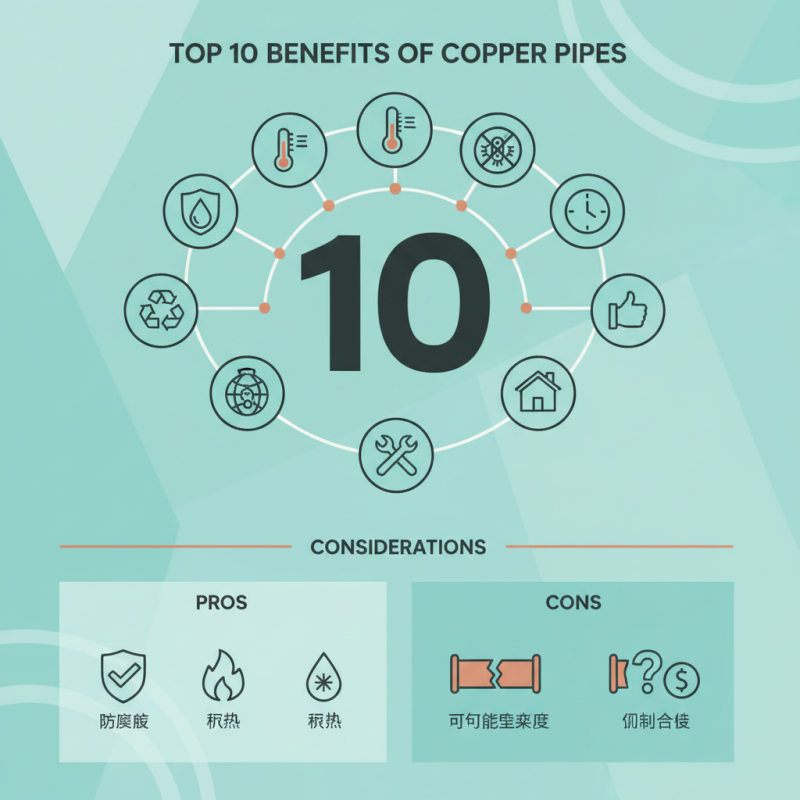
The chart above illustrates the top 10 benefits of using copper pipes in home plumbing systems. Each benefit is scored on a scale from 1 to 10, showcasing the overall advantages of copper in durability, efficiency, and environmental impact compared to other materials.
Health Considerations: Safety and Purity of Copper Plumbing
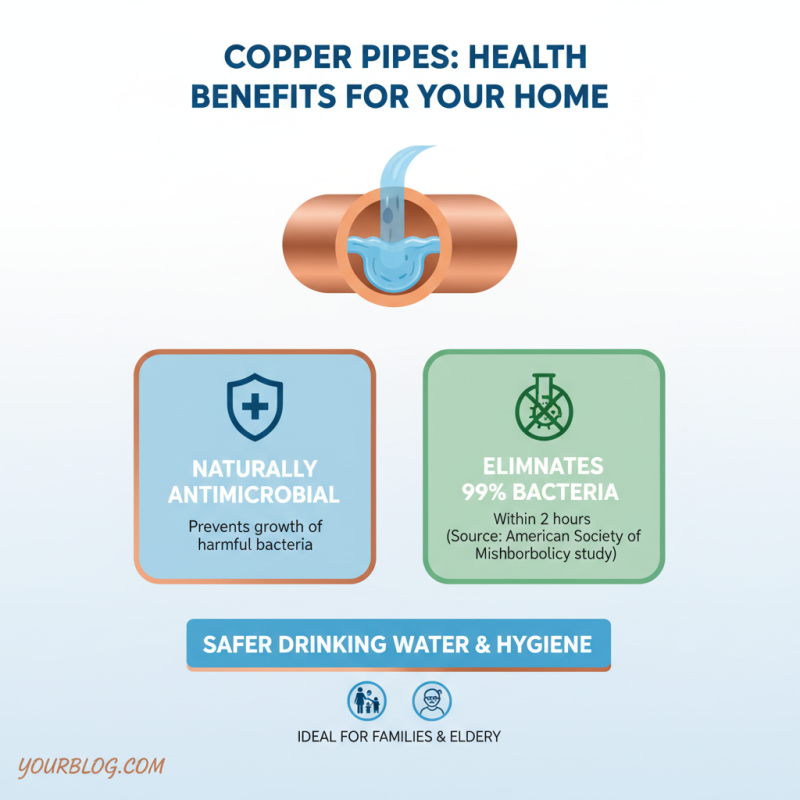
Copper pipes have long been favored in plumbing due to their health benefits. They are naturally antimicrobial, which means they can prevent the growth of harmful bacteria. According to a study published by the American Society of Microbiology, copper surfaces can kill more than 99% of bacteria within two hours. This property is significant for safe drinking water and hygiene, especially in homes with children or the elderly.
In addition to safety, copper pipes offer purity in water delivery. They do not leach harmful substances into the water supply, unlike some plastic alternatives. The World Health Organization (WHO) states that copper levels up to 2.0 mg/L are safe for consumption. This helps maintain not only the integrity of the water but also provides essential minerals. However, it's important to maintain copper plumbing properly. Corrosion can occur if the water is acidic, leading to copper leaching. Regular checks can help mitigate this risk, ensuring your plumbing remains healthy and effective.
While copper is a reliable material, it does come with challenges. Installation can be complex, and if not done correctly, issues may arise. Some homeowners may overlook the significance of regular maintenance. These factors can lead to problems down the road. Balancing the benefits of copper with its care demands careful planning.
Energy Efficiency: How Copper Pipes Enhance Home Heating
Copper pipes are recognized for their energy efficiency, especially in home heating systems. They are excellent conductors of heat. This means they transfer warmth quickly to your home. As a result, less energy is needed to maintain a comfortable temperature. Homeowners often notice a decrease in energy bills after upgrading to copper.
In addition, copper pipes resist corrosion and buildup. This longevity means fewer replacements and repairs. When heating systems work efficiently, they last longer and require less maintenance. However, copper’s initial cost might raise eyebrows. Some might question whether the investment is worth it. Yet, the long-term savings often outweigh the higher upfront expenses.
Another point to consider is the installation process. Plumbing professionals can easily work with copper pipes. Their flexibility makes them a favorable choice in various home layouts. However, improper installation can negate the benefits. Homeowners should ensure their plumbers have the right experience. This small detail can lead to major differences in efficiency and longevity. Investing in copper pipes can be a step toward a more energy-efficient home.
Ease of Installation and Maintenance for Copper Plumbing Systems
Copper pipes are a popular choice for home plumbing systems due to their ease of installation. They are lightweight and manageable, making transport simple. This can significantly reduce labor time during installation. Basic tools can suffice for most tasks involving copper pipes. However, soldering may pose a challenge for inexperienced DIY enthusiasts. It's essential to ensure proper technique for leak-free joints.
Maintenance of copper plumbing is straightforward. The material resists corrosion and scaling, which tends to simplify routine checks. Many homeowners appreciate this low-maintenance quality. Still, copper can react with certain water supplies, leading to potential issues over time. Regular inspections are advisable to catch any developing problems early. Keeping an eye on your plumbing can prevent costly repairs down the line.
Installing copper pipes also allows for flexibility in design. They can be shaped and routed according to the home’s layout. Nevertheless, planning your plumbing route carefully is critical. A poorly designed system can lead to unwanted bends or pressure issues. While copper has many advantages, recognizing its limitations helps ensure a successful plumbing project.