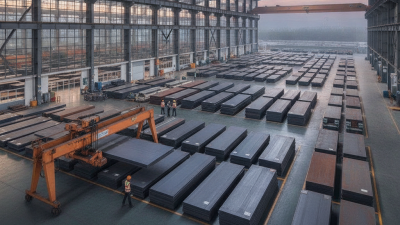
Top 10 Benefits of Using Galvanized Plate in Construction?
The construction industry continues to evolve, with materials like galvanized plate playing a crucial role. According to a report by the International Zinc Association, galvanized steel is used in over 60% of the world's steel products. This widespread application highlights its importance. The protective zinc coating of galvanized plates effectively enhances durability. It can resist corrosion 4 to 6 times longer than uncoated steel.
The benefits of using galvanized plates extend beyond mere longevity. Their lightweight nature eases transportation and installation. This reduces labor costs, making them an economical choice. Additionally, galvanized plates require minimal maintenance, adding to their appeal for long-term projects. However, challenges remain, such as the need for careful handling to avoid damage during installation.
Overall, the advantages of galvanized plates are compelling. They provide both performance and cost efficiency in construction. As the industry embraces sustainable practices, the future of galvanized materials looks promising.
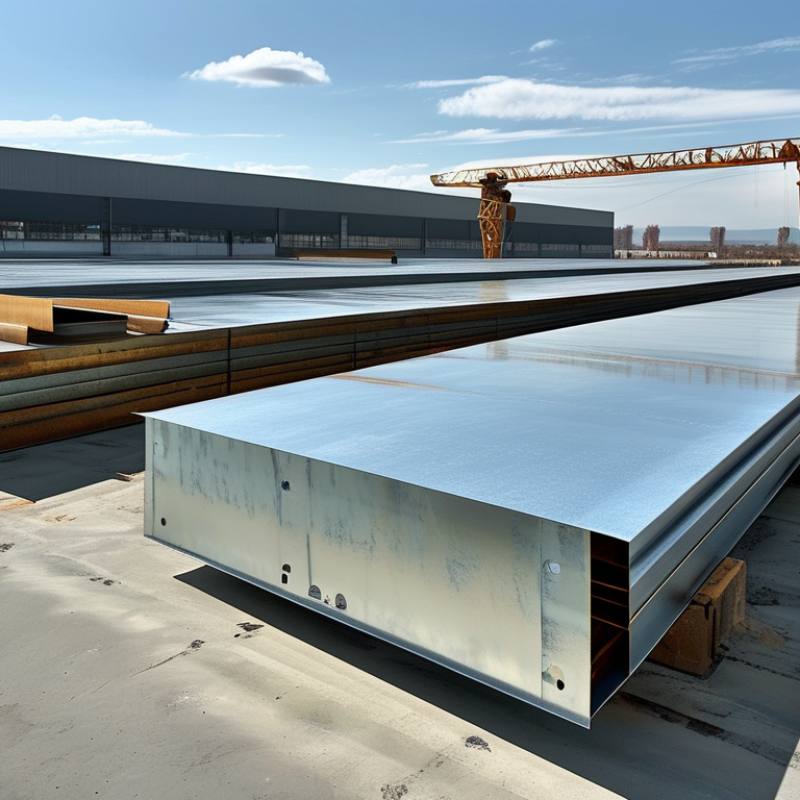
Advantages of Corrosion Resistance in Galvanized Plates
Galvanized plates are increasingly popular in construction due to their excellent corrosion resistance. This property is attributed to a zinc coating that protects the steel underneath. According to industry reports, galvanized materials can last up to 70 years in harsh environments. This longevity significantly reduces material costs over time. The ability to resist rust and deterioration makes galvanized plates a preferred choice for outdoor projects and structures exposed to moisture.
The corrosion resistance of galvanized plates enhances both safety and durability in construction. By reducing the risk of structural failure, these materials help ensure the integrity of buildings and infrastructure. A study by the American Galvanizers Association found that buildings using galvanized steel had fewer maintenance issues, translating into lower lifecycle costs. This advantage is crucial for project managers and contractors focused on long-term investment.
When selecting materials, consider local climate conditions. High humidity or coastal environments may necessitate more protective coatings. Regular inspections can also help identify areas needing attention. It's vital to leverage the advantages of galvanized plates while being aware of their limitations and maintenance needs.
Top 10 Benefits of Using Galvanized Plate in Construction
| Benefit |
Description |
| Corrosion Resistance |
Galvanized plates are coated with zinc, preventing rust and corrosion when exposed to moisture and environmental elements. |
| Durability |
These plates offer long-lasting performance, significantly extending the lifespan of structures. |
| Cost-Effectiveness |
Lower maintenance costs and longer service life contribute to overall cost savings in construction projects. |
| Versatility |
Galvanized plates can be used in various construction applications, from framing to roofing. |
| Environmental Resistance |
They stand up against harsh weather conditions, making them ideal for outdoor structures. |
| Aesthetics |
Galvanized plates have a clean, bright appearance, enhancing the visual appeal of constructions. |
| Ease of Use |
They can be easily cut, welded, and molded, simplifying the construction process. |
| Safety |
Galvanized plates reduce the risk of structural failures due to corrosion-related weaknesses. |
| Sustainability |
They are recyclable, contributing to sustainable building practices. |
| Availability |
Galvanized plates are widely available and can be supplied in various sizes and dimensions to meet specific needs. |
Cost-Effectiveness of Using Galvanized Plates in Construction
Galvanized plates are increasingly preferred in the construction industry due to their cost-effectiveness. They resist corrosion, which extends their lifespan significantly. According to the American Galvanizers Association, galvanized steel can last up to 50 years under normal conditions, depending on environmental factors. This durability leads to fewer replacements and repairs, ultimately reducing long-term costs.
The initial investment in galvanized plates might seem higher compared to alternatives. However, the overall savings become clear when considering maintenance costs. A study by the American Institute of Steel Construction indicates that maintenance for galvanized steel can be 50% lower than for unprotected steel. Additionally, the quick installation process reduces labor costs.
Although these facts may sound promising, there are still potential challenges. The market can experience fluctuations in steel prices, impacting budgets unpredictably. Construction projects must also consider local regulations and environmental conditions when choosing materials. The effectiveness of galvanized plates can vary based on the specific climate where they are used. Understanding these factors is crucial for making informed decisions.
Construction professionals can benefit from continually evaluating the use of galvanized plates in light of industry advancements.
Durability and Longevity of Galvanized Steel in Structures
The durability and longevity of galvanized steel in construction are strikingly significant.
Galvanized steel boasts a lifespan ranging from 50 to 100 years, depending on environmental conditions. According to research by the American Galvanizers Association, structures using galvanized steel experience reduced maintenance, lowering long-term costs by up to 60%. This longevity stems from a protective zinc coating, which shields the steel from moisture and environmental pollutants.
In coastal or industrial areas, the ability of galvanized steel to resist corrosion is particularly valuable. Studies show that structures situated in these climates endure far less rust damage compared to uncoated steels. Many engineers have noted that even after several decades, the protective layer remains intact, provided the initial application was done correctly. However, improper application can lead to premature failure, highlighting the importance of using qualified professionals during installation.
While the benefits are impressive, challenges remain. Some industry reports express concern over the aesthetic limitations of galvanized finishes. Depending on the project, the visual appeal of exposed galvanized steel may not meet all design requirements. This necessitates ongoing discussions about the balance between functionality and appearance in modern construction practices.
Environmental Impact and Sustainability of Galvanized Materials
Galvanized materials play a crucial role in sustainable construction. Their resistance to corrosion means they have a longer lifespan compared to non-galvanized counterparts. According to a study by the American Galvanizers Association, galvanized steel can last up to 70 years without requiring significant maintenance. This longevity reduces the need for frequent replacements, leading to less waste in landfills.
The environmental footprint of galvanized steel is also noteworthy. Manufacturing processes have improved, resulting in a decrease in energy consumption by 30% over the past decade. The recycling rate for steel is impressively high, often exceeding 90%. This reclaimability means that galvanized steel helps conserve natural resources. However, there is still a need for careful sourcing and responsible production to minimize environmental impacts.
Despite its benefits, some challenges must be addressed. The process of galvanization involves chemicals that can be harmful if not managed properly. Proper awareness and regulation are essential to ensure safe production. The industry continues to explore methods to further mitigate these impacts. Improved practices could enhance sustainability efforts, creating a balance between construction needs and environmental preservation.
Top 10 Benefits of Using Galvanized Plate in Construction
Versatility of Galvanized Plates in Various Construction Applications
Galvanized plates have become increasingly popular in construction due to their versatility. They are used in various applications, from framing to roofing. These plates are coated with zinc, making them resistant to corrosion and rust. This feature extends their lifespan significantly compared to non-galvanized materials.
When considering galvanized plates, think about your project's specific needs. For instance, they are perfect for outdoor structures exposed to harsh weather. However, some may find their weight challenging during installation. It’s essential to have the right tools and equipment when working with these materials.
Here’s a tip: always assess the thickness of the plate you require.
Thicker plates offer durability, especially for structural support, but they can also be more challenging to cut. Balancing weight and strength is key. Additionally, remember to check local construction codes that may influence your choice of materials. Compatibility with other elements is crucial for overall project success.