Top 10 Benefits of Using Square Pipe in Construction and Manufacturing?
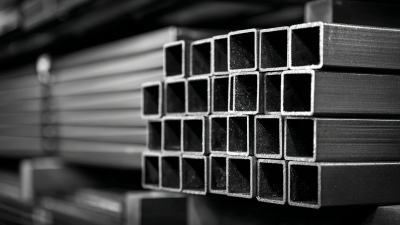
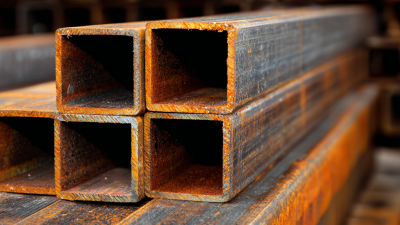
In the world of construction and manufacturing, materials play a vital role. Among these, square pipe stands out for its unique advantages. These pipes are shaped like squares, adding strength and versatility. Builders appreciate their uniform shape, making them easier to work with.
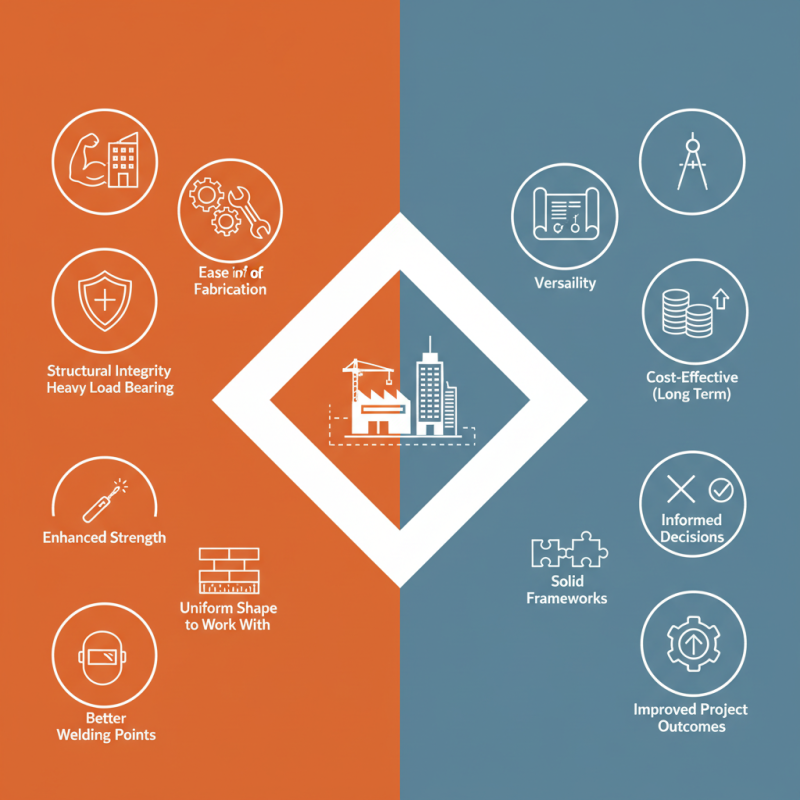
Square pipe offers structural integrity that round pipes struggle to match. They can bear heavy loads, crucial for various projects. Furthermore, their flat surfaces provide better welding points. This helps in creating solid frameworks for buildings and machinery.
However, despite these benefits, some may overlook square pipe. Cost and availability can be issues in certain regions. It’s essential to weigh these factors when selecting materials. Exploring the benefits of square pipe is a step toward informed decisions in construction. These considerations will enhance project outcomes significantly.
Benefits of Square Pipe: A Versatile Choice for Construction
Square pipes have gained fame in construction and manufacturing for several reasons. Their unique shape allows for efficient load distribution, making them suitable for structural applications. This geometry also enhances the aesthetic appeal of buildings and products. Many architects and engineers appreciate their clean lines. They offer a modern touch to any project, yet this design can sometimes feel too rigid.
Another key benefit is the ease of installation. Square pipes are often easier to cut and handle than round ones. This compatibility can speed up construction timelines. However, if not planned correctly, this may lead to wasted materials and time. It's critical to know precise measurements before starting a project. The versatility of square pipes extends to various uses, from framing to shelving. However, using them in unconventional ways may require innovative thinking.
Additionally, square pipes are often more stable than other shapes. They resist bending better under pressure. This durability is essential in constructions that face heavy loads. Yet, one must also remember that the right choice of pipe size and thickness is crucial. Misjudging these factors could lead to structural issues. The journey of using square pipes is filled with potential challenges, but their benefits often outweigh those hurdles.
Top 10 Benefits of Using Square Pipe in Construction and Manufacturing
| Benefit |
Description |
Applications |
| Structural Integrity |
Offers superior strength and stability for various structures. |
Building frameworks, bridges, and supports. |
| Versatility |
Can be used in multiple applications across various industries. |
Construction, manufacturing, and automotive sectors. |
| Ease of Use |
Simplifies the fabrication and assembly processes. |
Custom structures, machine bases, and racks. |
| Cost-Effectiveness |
Reduces material and labor costs in construction projects. |
Large scale constructions and prefabricated buildings. |
| Aesthetic Appeal |
Provides a modern and clean appearance. |
Architectural designs, furniture, and fittings. |
| Sustainability |
Often recyclable, supporting green building initiatives. |
Eco-friendly buildings and installations. |
| Uniformity |
Ensures consistent quality and dimensions in production. |
Manufacturing of custom parts and components. |
| Resistance to Corrosion |
Typically treated for resistance to rust and corrosion. |
Outdoor structures, pipelines, and marine applications. |
| Safety |
Reduces risk of injuries with stable structural forms. |
Workplaces, factories, and construction sites. |
Enhanced Structural Integrity of Square Pipes in Manufacturing
Square pipes are increasingly favored in construction and manufacturing due to their enhanced structural integrity. This design allows for efficient load distribution, minimizing weak points. The uniform shape contributes to a balanced load-bearing capacity, which is crucial for stability and durability. Builders and manufacturers appreciate how square pipes resist deformation under pressure.
When using square pipes, consider the welding techniques. Proper welding improves the joint strength significantly. Additionally, use high-quality materials to enhance the longevity of the structure. Regularly inspect the pipes for signs of wear or corrosion, especially in harsh environments.
It’s essential to choose the right dimensions for your project. Oversizing may lead to unnecessary weight, while undersizing can compromise safety. Pay attention to the insulation properties as well, as this affects energy efficiency. The wrong choice could lead to wasted resources and safety hazards. Being meticulous now saves time and money later.
Cost-Effectiveness: Saving Money with Square Pipe Solutions
In construction and manufacturing, square pipes can significantly cut costs. Their uniform shape allows for easy stacking and storage, saving space. This efficiency translates to lower transportation costs, whether by road or rail. When projects scale, using square pipes becomes even more economical. Builders often notice reduced material waste during construction. Scrap is minimized due to the precise cuts needed.
Manufacturing with square pipe solutions is often cheaper. The fabrication process can use standard equipment, saving on specialized tools. While the initial investment might seem high, the long-term savings are undeniable. However, not every project suits square pipes perfectly. Sometimes, their rigidity limits flexibility in design. Reflecting on these aspects is crucial for best practices. Ultimately, understanding the full scope of their impact can lead to smarter financial choices.
Ease of Fabrication and Modification in Building Projects
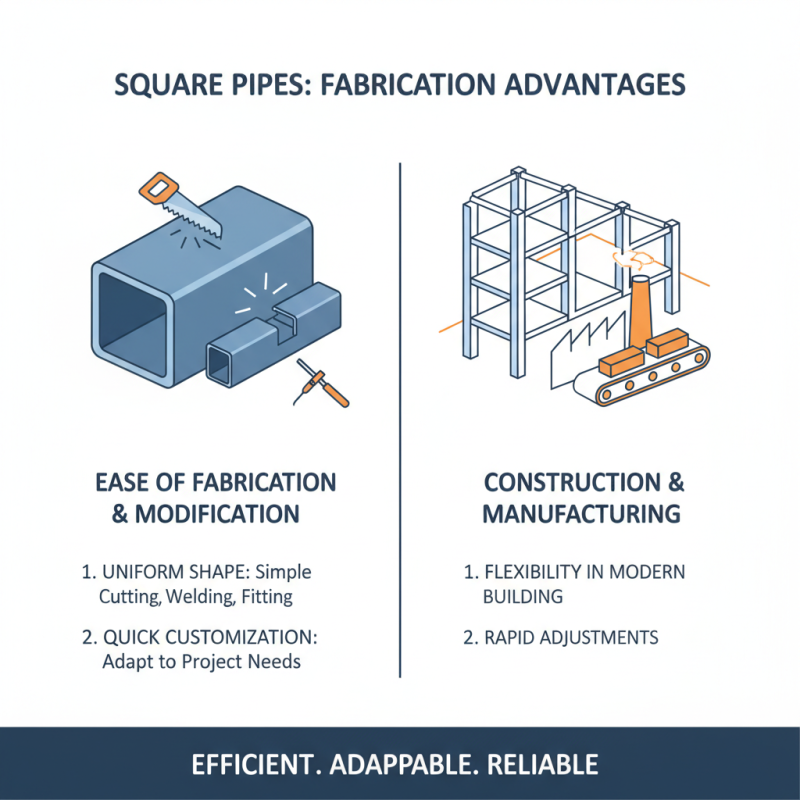
When it comes to construction and manufacturing, square pipes shine for their ease of fabrication and modification. These uniform shapes allow for straightforward cutting, welding, and fitting. Construction teams can customize lengths quickly, adapting to the specific needs of a project. This flexibility is essential in modern building projects, where requirements may change unexpectedly.
In addition, square pipes are easy to connect. They fit together seamlessly, reducing the time spent on assembly. This smooth integration can lead to fewer errors and wasted materials. However, despite these advantages, improper measurements can lead to complications. A slight miscalculation might create gaps or misalignments. Teams need to plan carefully to avoid these issues.
Moreover, while square pipes are generally strong and stable, their weight can be a downside. Heavier sections require more labor to handle, which may slow down progress. Sometimes, lighter alternatives could be more efficient. Careful consideration is crucial in selecting the right materials for each task. The balance between strength and ease must be weighed against the project's demands.
Sustainability Aspects of Using Square Pipe in Construction Industries
Using square pipes in construction brings several sustainability advantages. These pipes are often made from steel, which is highly recyclable. When construction projects end, these materials can be repurposed. This reduces waste and lessens the impact on landfills. The durability of square pipes requires less frequent replacements. Thus, they help in conserving resources long-term.
Tips for using square pipes effectively include assessing local recycling facilities. Understanding the capacity of these facilities can enhance sustainability efforts. Evaluate the types of square pipes that can be sourced locally. This may lower the carbon footprint associated with transportation.
Another point to consider is the insulation properties of square pipes. They can provide better thermal regulation. However, not all square pipes have the same insulation capabilities. This is an area that requires careful selection. Researching various options can lead to more energy-efficient buildings. It’s important to balance price, performance, and sustainability. Make sure to reflect on the long-term benefits versus initial costs.
Top 10 Benefits of Using Square Pipe in Construction and Manufacturing