Best Carbon Pipe for Global Buyers in China What to Know?
When sourcing Carbon Pipe from China, global buyers encounter many considerations. The market is vast, and the options can be overwhelming. Carbon pipes are known for their strength and durability, making them essential in various industries. However, understanding the specifics of the market is crucial.
Quality varies significantly among manufacturers. Buyers must assess specifications, certifications, and supplier reputations. Not all suppliers adhere to the same standards. This can lead to substantial differences in product reliability. It’s important to take the time to conduct thorough research and verify credentials.
Additionally, pricing strategies can differ greatly. While it may be tempting to choose the lowest option, it does not always guarantee quality. Buyers should balance cost with reliability and performance. By doing so, it ensures a successful procurement process in the competitive landscape of carbon pipes.
Understanding Carbon Pipes: Types and Applications for Global Buyers
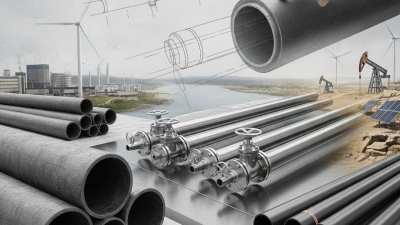
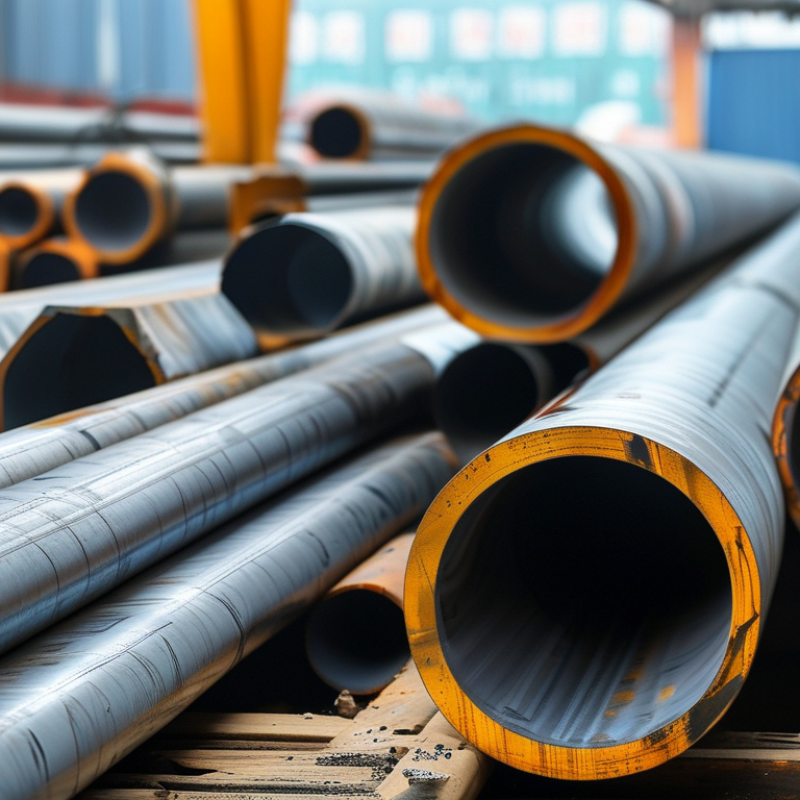
Carbon pipes play a crucial role in various industries such as construction and energy. Understanding the types and applications of these pipes is essential for global buyers. Notably, there are many classifications of carbon pipes, including seamless and welded varieties. Seamless pipes are often preferred for high-pressure applications. In contrast, welded pipes are typically less expensive and can be produced in larger sizes.
According to the World Steel Association, carbon steel accounts for more than 90% of global steel production. This statistic highlights the importance of carbon pipes in the industry. Buyers should consider factors like thickness, tensile strength, and flexibility while selecting pipes for specific projects. Different standards like ASTM and API further define the specifications and intended uses of carbon pipes.
**Tips:** Always verify the quality certifications of the suppliers. Quality can vary widely, leading to project delays. Consider the environmental conditions of the application. Stress testing is vital for ensuring performance longevity. Also, remember to evaluate the delivery terms. Delays can significantly impact project timelines.
Key Factors to Consider When Purchasing Carbon Pipes in China
When considering the purchase of carbon pipes in China, understanding material quality is crucial. Different grades of carbon steel can significantly affect pipe durability and performance. Buyers should ensure they evaluate the specifications carefully. Good carbon pipes often exhibit resistance to corrosion and high strengths, making them favorable in various applications.
The manufacturing process is another essential factor. Insight into how pipes are produced can reveal their reliability. For instance, methods such as seamless or welded influence the structural integrity. Potential buyers must also assess the manufacturer's certifications. Compliance with industry standards helps ensure quality and safety.
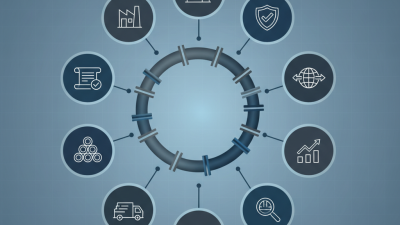
Shipping and logistics are vital aspects of procurement. Understanding the supply chain from the manufacturer to the end user minimizes delays. It’s also wise to check for potential tariffs or trade regulations. Communication with suppliers can surface critical information, like lead times and payment terms. A well-informed buyer is better positioned for success.
Carbon Pipe Quality Comparison
This chart provides an overview of key factors to consider when purchasing carbon pipes in China. The ratings span from strength to availability, illustrating the importance of assessing quality parameters to make informed decisions.
Evaluating Quality Standards and Certifications for Carbon Pipes
When sourcing carbon pipes in China, quality standards and certifications are crucial. Buyers should understand the significance of compliance with international standards. Not all manufacturers meet the same criteria, so careful evaluation is essential. Common certifications include ISO 9001 and API 5L. These ensure that products meet specific quality benchmarks.
Moreover, checking raw material specifications is vital. Carbon content, tensile strength, and yield strength are important factors that determine the durability of pipes. Some manufacturers may provide misleading information about these properties. Transparency is necessary. Request detailed reports and test results. Third-party testing can also provide an extra layer of assurance.
Understanding the production process is equally important. Manufacturers should adhere to proper fabrication techniques. Quality control measures during production can prevent defects. However, not every supplier prioritizes this aspect. Engaging with suppliers who maintain strict quality control can help avoid potential pitfalls in the supply chain. Regular audits and inspections may reveal areas for improvement, making it pivotal for buyers to remain vigilant.
Pricing Trends and Cost Factors for Carbon Pipes in the Chinese Market
When exploring the Chinese carbon pipe market, pricing trends are crucial. Prices can significantly fluctuate based on factors like material quality, manufacturing techniques, and market demand. High-quality carbon pipes, made from superior raw materials, generally command higher prices. Conversely, pipes with lower-grade materials may attract more buyers but compromise on durability and performance.
Cost factors include labor expenses in manufacturing and transportation fees. Cities with advanced infrastructure may have lower transport costs, affecting the overall pricing. Additionally, tariffs and regulations can impact costs, leading to variations across regions. It’s essential for global buyers to keep these dynamics in mind.
One must also reflect on the balance between price and quality. Cheaper options might seem attractive but could lack longevity. Identifying reliable suppliers is key. Buyers should verify certifications and seek feedback from previous clients. This ensures dependable purchases while navigating cost fluctuations.
Navigating the Supply Chain: Importing Carbon Pipes from China
Importing carbon pipes from China offers unique advantages, but it also comes with challenges. The global carbon pipe market is projected to reach $10.3 billion by 2026, growing at a CAGR of 5.3% from 2021. This growth highlights the increasing demand for high-quality materials in industries such as construction and oil and gas.
Navigating the supply chain can be complex. Communication barriers and logistical challenges may arise. Developing strong relationships with suppliers is crucial. This could ensure timely shipments and product quality. Additionally, understanding local manufacturing practices helps avoid misunderstandings.
Quality assurance is vital in this sector. According to a 2022 report, 33% of imported carbon pipes failed quality inspections. Rigorously vetting suppliers is essential for obtaining reliable products. Investing time in supplier audits can save costs in the long run. It's crucial to stay informed about both market trends and regulatory changes that may affect importing processes.
Best Carbon Pipe for Global Buyers in China What to Know?
| Specification |
Standard |
Diameter (mm) |
Length (m) |
Wall Thickness (mm) |
Material |
Application |
| A106 Grade B |
ASTM |
20-200 |
6-12 |
2-10 |
Carbon Steel |
Oil & Gas |
| A53 Grade B |
ASTM |
25-150 |
6-12 |
2-8 |
Carbon Steel |
Construction |
| S235JR |
EN |
30-300 |
6-12 |
3-10 |
Mild Steel |
Structural |
| API 5L X42 |
API |
32-400 |
6-12 |
3-15 |
High Strength Steel |
Transportation |
| St52.3 |
DIN |
40-500 |
6-12 |
4-12 |
Structural Steel |
Mechanical Engineering |