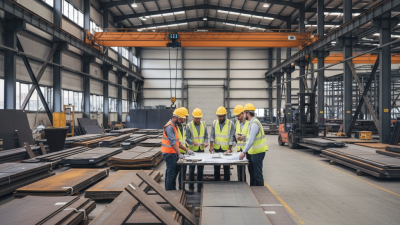
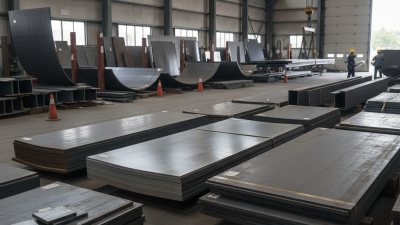
China Top 10 Hot Rolled Plate Manufacturers and Suppliers 2026
China remains a major source of steel products for construction, shipbuilding, machinery, energy, and infrastructure projects. In 2026, buyers continue to seek dependable Hot Rolled Plate manufacturers and suppliers with stable quality, practical lead times, and transparent service. Yet choosing a suitable partner is not simple. Product pages often look similar, while real differences appear in production control, testing, packaging, and after-sales communication.
This guide examines ten notable Chinese companies through buyer-focused criteria. These include mill capacity, plate grades, thickness ranges, surface condition, dimensional accuracy, certifications, export experience, and delivery performance. We also consider whether suppliers provide material test certificates, heat numbers, inspection records, and clear responses to technical questions. A reliable supplier should explain how its plate performs in welding, cutting, forming, and demanding outdoor conditions.
Small details matter.
A plate may arrive with rough edges, uneven rust, weak marking, or damaged bundles. Such issues can increase fabrication costs and delay installation. Our assessment uses publicly available company information, industry experience, and practical purchasing considerations. It does not treat company size as proof of quality. A large mill may not suit every order, while a smaller supplier may offer stronger communication and flexible support. No ranking is permanent. Prices, certifications, production schedules, and export policies can change during 2026. Buyers should verify specifications, samples, inspection terms, and contractual details before placing an order. This article is a useful starting point, not a substitute for direct technical due diligence.
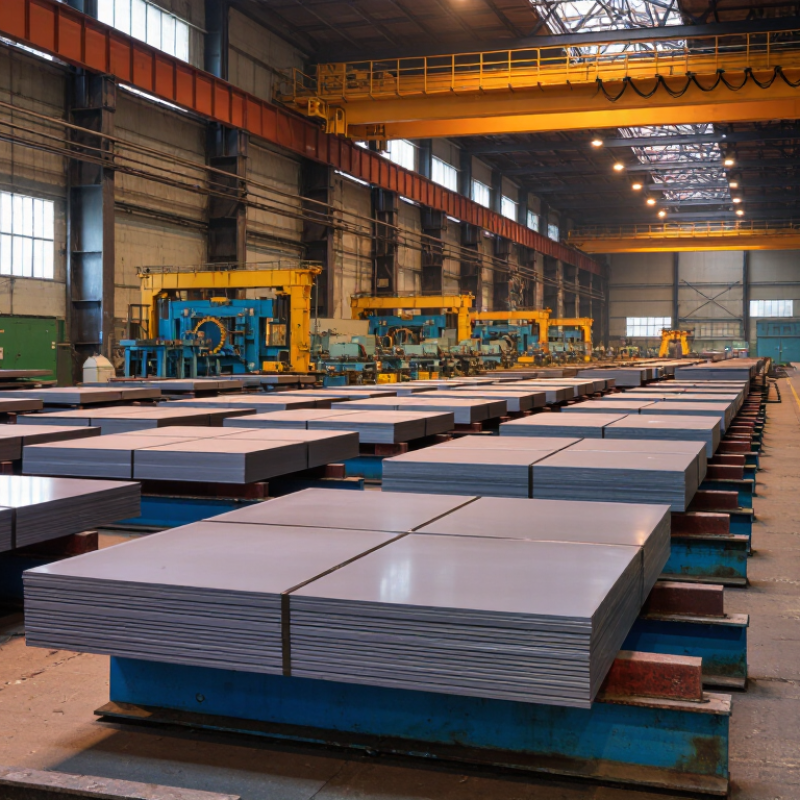
Hot Rolled Plate: Definition, Uses, and Main Product Types
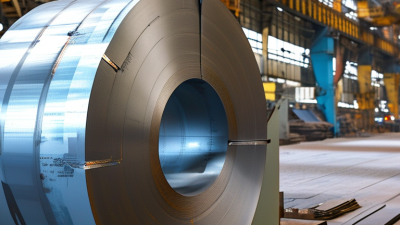
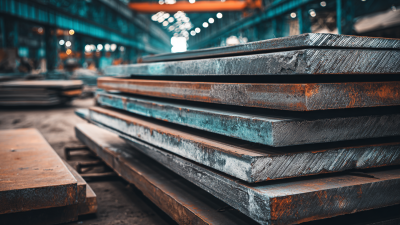
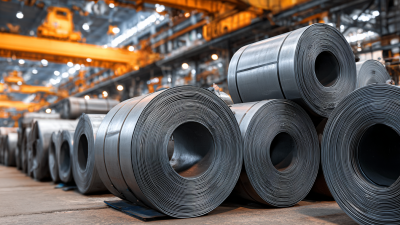
Hot rolled plate is steel shaped while heated above its recrystallization temperature. Mills pass thick slabs through powerful rollers until the required thickness forms. The process improves production efficiency and supports large plate sizes. Its surface usually carries dark oxide scale. Edges can also appear less precise than cold-finished products. That is normal.
Hot rolled plate supports bridge beams, building frames, storage tanks, truck bodies, and heavy machinery. Shipyards use suitable grades for hull structures and deck components.
Construction teams often choose it for strength, weldability, and practical cost. A thick plate may resist bending under heavy loads, but thickness alone does not guarantee performance. Welding procedures, impact requirements, and corrosion exposure still need careful review. Real conditions matter.
Common product types include carbon structural plate, high-strength low-alloy plate, boiler and pressure vessel plate, shipbuilding plate, and wear-resistant plate. Weathering grades may suit outdoor structures with controlled atmospheric exposure.
Not every project needs the strongest grade. Sometimes, a less expensive plate offers better fabrication and service results. Product names can differ between standards, so buyers should verify chemistry, mechanical data, dimensions, and inspection certificates. A practical mistake is selecting by price before understanding the working environment. That choice can create extra cutting, welding, or maintenance costs later.
How Chinese Hot Rolled Plate Manufacturers Are Evaluated
Evaluating Chinese hot rolled plate manufacturers requires more than comparing prices. The World Steel Association reported China’s 2024 crude steel output at approximately 1.005 billion tonnes. This scale supports broad production experience, but it does not guarantee consistent plate quality. Buyers should inspect heat numbers, slab origin, rolling records, and test certificates for every shipment.
Technical review should begin with chemistry, yield strength, tensile strength, impact performance, thickness tolerance, and flatness. Independent laboratories can verify ultrasonic testing and mechanical results. ISO 9001 certification helps assess process control, while ISO 14001 indicates environmental management. Still, certificates alone are insufficient. Auditors should compare certificate data with actual samples and production logs. Small gaps matter.
The OECD Steel Outlook 2024 expects global steelmaking capacity to approach 2.9 billion tonnes by 2026. Persistent overcapacity may increase price pressure and encourage weaker quality controls. Delivery reliability therefore deserves equal attention. Review monthly on-time performance, complaint handling, packaging, and export documentation.
A practical trial order is useful. My own caution is simple: one successful shipment proves little. Evaluate at least three production batches, preferably under different thickness and grade conditions. Repeated evidence is stronger than polished presentations.
China’s Top 10 Hot Rolled Plate Manufacturers and Suppliers in 2026
China’s Top 10 Hot Rolled Plate Manufacturers and Suppliers in 2026 should be assessed beyond production volume. The World Steel Association reported that China produced about 1.019 billion tonnes of crude steel in 2023. This scale supports strong plate availability, but it does not guarantee consistent quality. A reliable supplier should show mill certificates, heat numbers, dimensional records, and clear inspection procedures. Buyers should also check plate thickness, width tolerance, surface condition, and delivery performance. Small details matter on the cutting table.
For 2026, the leading suppliers are likely to compete through stable grades, export experience, and flexible processing services. The World Steel Association’s October 2024 Short Range Outlook forecast global steel demand growth in 2025, although regional recovery remains uneven. This makes inventory planning more important. A supplier with nearby stock may outperform a larger producer during urgent projects. However, a ranking based only on capacity can mislead. Product consistency and after-sales response deserve equal attention.
Tips: Request a recent test certificate and a sample inspection report. Confirm whether the quoted price includes cutting, coating, packing, and inland transport. Compare actual lead times, not optimistic estimates. A practical buyer should also review rejection records and clarify claims procedures before placing a large order. Standards are useful, but real delivery evidence is stronger.
China’s Top 10 Hot Rolled Plate Manufacturers and Suppliers in 2026
China crude steel production provides a transparent industry-scale context for hot rolled plate supply capacity.
China’s crude steel output remained above one billion tonnes annually from 2020 to 2023, despite a gradual decline after the 2020 peak. This industry-level indicator reflects the broad production base supporting hot rolled plate manufacturing and supply, without presenting company or brand-specific data. Source: World Steel Association, World Steel in Figures 2024.
Quality Standards, Production Capacity, and Export Services
China’s leading hot rolled plate manufacturers should be judged by evidence, not attractive rankings. The World Steel Association’s World Steel in Figures 2025 reports China produced about 1.005 billion tonnes of crude steel in 2024. This scale supports stable plate supply, but capacity alone does not prove consistent quality.
For 2026 sourcing, buyers should request mill test certificates, heat numbers, and inspection records. Common references include ISO 9001, ASTM A36, ASTM A572, and EN 10025. Chemical results must match the ordered grade. Thickness tolerance also needs checking after rolling, especially on plates above 20 millimeters. Export capability matters equally. Reliable suppliers should provide seaworthy packing, container or bulk-vessel options, customs documents, and shipment tracking. The International Trade Centre reports that China remains a major global steel exporter, yet delivery performance can vary by port and season. This is where many rankings become less convincing.
Tips: Ask for recent production photos, not only catalog images. Confirm monthly capacity for your exact plate size. Use independent inspection before loading. Keep a backup supplier. It sounds cautious, perhaps overly cautious, but one delayed shipment can disrupt fabrication schedules. Buyers should also compare warranty terms and claim procedures. Some suppliers communicate well before payment, then respond slowly after loading. That weakness deserves more attention in 2026. A practical shortlist should combine verified standards, real production records, and transparent export service.
How to Choose the Right Chinese Hot Rolled Plate Supplier
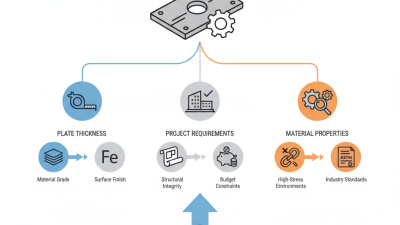
Choosing among China’s top hot rolled plate manufacturers requires more than comparing online prices. Begin with the steel grade, thickness range, plate width, and required delivery condition. A supplier should provide heat numbers, mill test certificates, chemical analysis, and mechanical test results for each batch. Ask whether certificates match the actual production lot, not a general sample.
Quality is visible in small details. Check edge straightness, surface scale, flatness, cutting accuracy, and thickness tolerance. Request recent inspection photos, packing examples, and a trial order before signing a large contract. Price is not enough. A capable supplier should explain its rolling equipment, heat-treatment process, inspection stages, and monthly capacity in clear terms. Independent factory audits can reveal overloaded workshops or weak traceability.
Delivery planning also matters. Confirm production lead time, port handling, export packaging, and replacement procedures for nonconforming plates. Wooden supports, moisture protection, and readable markings help prevent damage during long transport. Compare the complete landed cost, including testing, cutting, inland freight, and possible rework. Communication deserves attention too. Slow replies may become slower problem-solving later. No supplier is perfect. Even experienced buyers sometimes overlook tolerance changes after cutting or misunderstand “ready stock.” Put every technical requirement in the purchase contract, then review the first batch against those details before expanding the order.