Why Choose Galvanized Pipe for Your Plumbing Needs?
When considering plumbing options, the choice of material is crucial. Industry expert John Smith, a plumbing specialist with over 20 years of experience, emphasizes the importance of durability. He states, "Galvanized pipes can withstand the rigors of daily use, making them a smart choice for many homeowners."
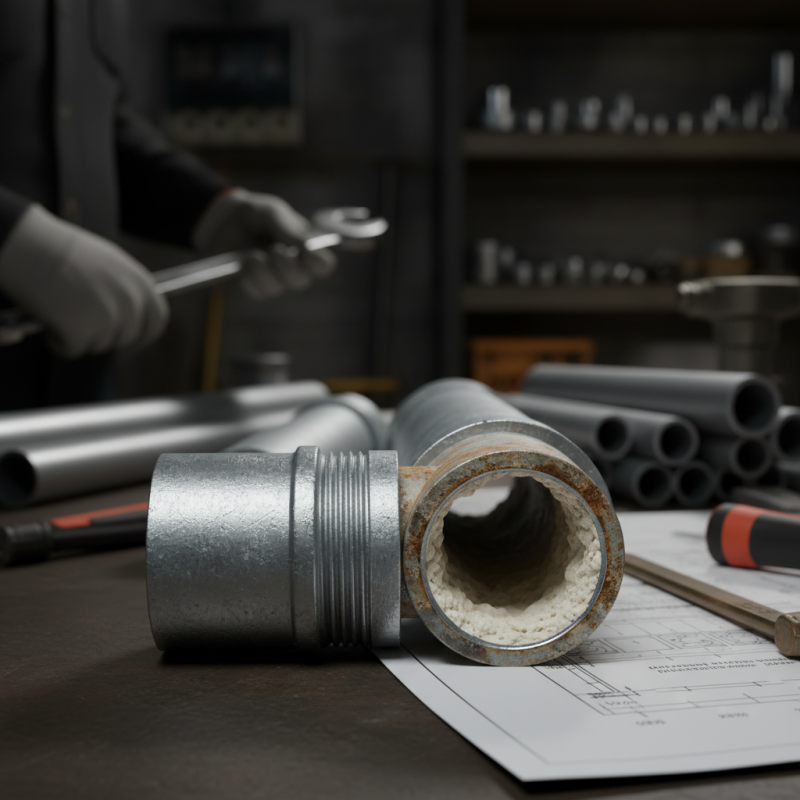
Galvanized pipe offers a reliable and cost-effective solution. These pipes are coated with zinc, providing resistance to rust and corrosion. This treatment extends their lifespan significantly. Many older homes still rely on this material, showcasing its lasting quality.
However, not all is perfect with galvanized pipes. They can accumulate mineral deposits over time, which may reduce water flow. Homeowners must regularly inspect their plumbing to ensure optimal performance. The benefits of galvanized pipe are clear, but there are considerations to keep in mind.
Benefits of Using Galvanized Pipe in Plumbing Systems
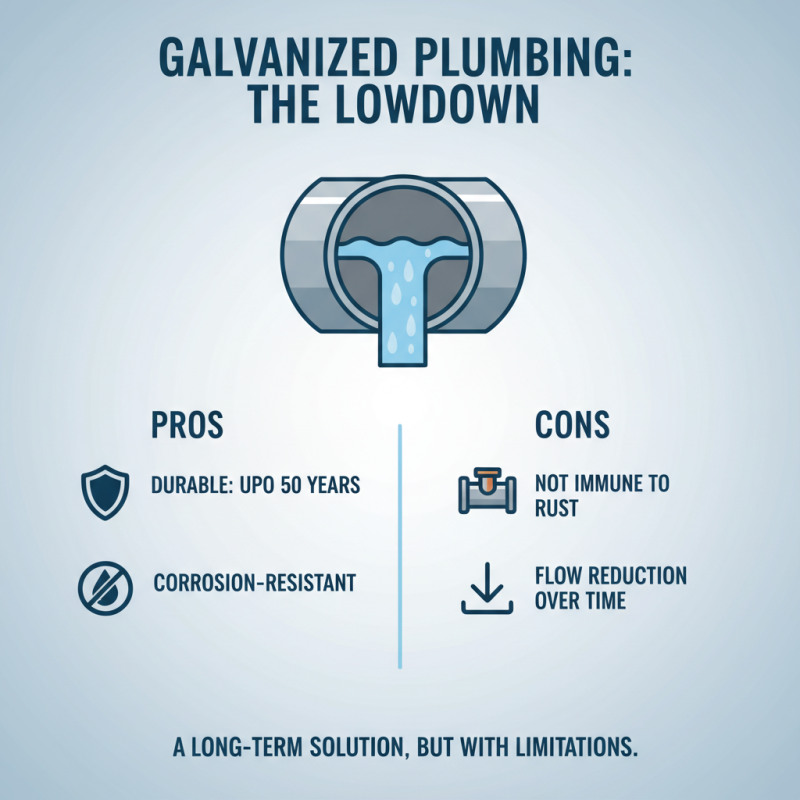
Galvanized pipes have been a popular choice for plumbing systems for decades. Their most notable benefit is durability. Reports show that they can last up to 50 years. This lifespan is essential for homeowners looking for long-term solutions. Galvanized pipes resist rust and corrosion better than many alternatives, but they are not immune to it.
Another advantage is the cost-effectiveness of galvanized pipes. They are generally less expensive than copper or stainless steel options. For a standard plumbing installation, the price difference can be significant. However, there are some concerns. Over time, mineral deposits can build up inside galvanized pipes. This can reduce water flow and lead to clogs.
Moreover, the installation process can be labor-intensive. While galvanized pipes are sturdy, they can be heavier and more challenging to work with. This might increase labor costs. Homeowners often overlook these factors and focus solely on initial expenditures. Balancing upfront costs with long-term performance is crucial for choosing the right plumbing material. Ultimately, the decision should reflect both immediate needs and future expectations.
Durability and Longevity of Galvanized Plumbing Materials
When considering plumbing materials, galvanized pipes stand out for their durability and longevity. These pipes are coated with zinc, which helps prevent corrosion. This coating increases their lifespan significantly, often lasting over 50 years when installed correctly. Homeowners appreciate this longevity, especially in areas with harsh water conditions.
However, it's essential to acknowledge some drawbacks. Over time, the zinc coating can degrade. This degradation may lead to rust and mineral buildup inside the pipes. Such buildup can reduce water flow. Homeowners should be aware of this potential issue and monitor their plumbing system regularly.
In terms of installation, galvanized pipes can be heavy and challenging to work with. This can make the initial setup more complex. While they are a solid investment for many, regular inspection and maintenance are crucial. A proactive approach can help ensure that galvanized pipes continue to perform well throughout their lifespan.
Why Choose Galvanized Pipe for Your Plumbing Needs?
This chart illustrates the comparative durability and longevity of various plumbing materials, emphasizing the advantages of galvanized pipes over alternatives.
Corrosion Resistance: How Galvanized Pipe Stands Up to the Elements
Galvanized pipe is known for its impressive corrosion resistance, making it a popular choice in plumbing. This type of pipe is coated with a layer of zinc, which protects it from rust and environmental damage. According to industry data, galvanized pipes can last anywhere from 20 to 50 years if installed properly. However, the pipes are not completely invulnerable. Over time, they can develop rust, especially where the coating wears thin.
Even so, galvanized pipes perform well in various weather conditions. Their ability to withstand moisture and humidity is significant. A report from the American Society of Civil Engineers noted that galvanized steel pipes maintained structural integrity in wet climates better than many alternatives. This resilience makes them suitable for both indoor and outdoor plumbing applications, though they require monitoring for any signs of wear.
Some might question whether galvanized pipes are still the best choice today. Alternatives like PVC and PEX have gained popularity, offering some advantages. Yet, in many cases, galvanized pipes continue to offer strong resistance to corrosion, which cannot be overlooked. While they may not be perfect, their reliability in certain conditions remains noteworthy. It's essential to balance these factors when considering the best materials for plumbing needs.
Why Choose Galvanized Pipe for Your Plumbing Needs?
| Property |
Galvanized Pipe |
Other Materials |
| Corrosion Resistance |
High, due to zinc coating |
Variable, often lower |
| Lifespan |
Up to 50 years |
10-30 years |
| Cost |
Moderate |
Can be lower or higher |
| Maintenance |
Low |
Depending on the material |
| Weight |
Moderately heavy |
Varies significantly |
Cost-Effectiveness of Galvanized Pipes Compared to Other Materials
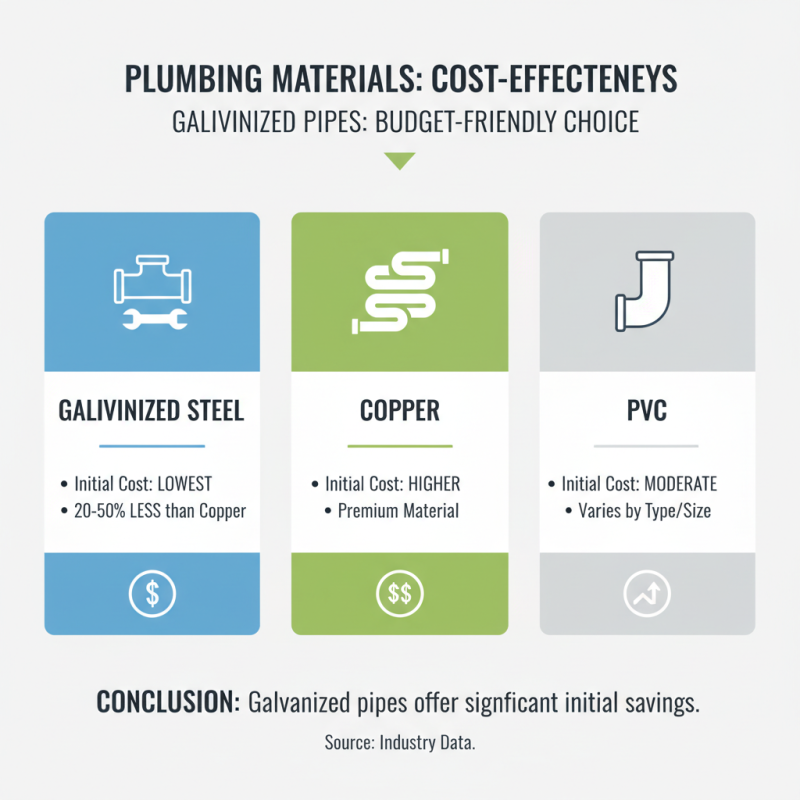
When considering plumbing materials, cost-effectiveness plays a vital role. Galvanized pipes are often more affordable than options like copper or PVC. According to industry data, the initial cost of galvanized steel is approximately 20-50% lower than copper pipes. This makes them an attractive option for budget-conscious projects.
Repair and maintenance costs are crucial factors, too. Copper pipes may last longer, but they can be significantly more expensive to install. A recent study indicated that replacing a copper pipe can cost upwards of $200 per linear foot, compared to just $100 for galvanized piping. However, galvanized pipes may corrode over time, affecting longevity. It's essential to consider potential replacements when evaluating long-term expenses.
Galvanized pipes offer decent lifespan, averaging 20-50 years before needing replacement. However, they can rust internally, leading to water quality issues. In some areas, water quality is crucial, making this a significant consideration. Weighing upfront costs against potential long-term challenges is necessary for informed decision-making.
Applications and Uses of Galvanized Pipe in Modern Plumbing
Galvanized pipes have become a choice for plumbing systems in various settings. Their resistance to rust makes them suitable for water supply lines. Many older homes still use this material, with estimates showing about about 60% of these structures rely on galvanized pipes. This longevity can be beneficial, but there are also concerns about zinc coating degradation over time.
The applications of galvanized pipe extend to both residential and industrial uses. In homes, they are often found in water distribution. In commercial settings, hot water lines benefit from their durability. However, one key issue is corrosion on the inside, which can lead to reduced water flow. As pipes age, homeowners may need to replace them. This is a significant factor to consider.
Tips: Regular maintenance checks can prevent serious plumbing issues. Check for leaks and corrosion signs. Also, be aware of local building codes. Ensuring your plumbing system meets these can help avoid costly repairs later. Upgrading to other materials may be more efficient in the long run. Always assess your plumbing needs before making decisions.