How to Choose Cold Rolled Coils for Your Global Sourcing Needs?
When selecting cold rolled coils for global sourcing needs, understanding the market is crucial. According to a report by the World Steel Association, the demand for cold rolled coils is projected to grow by 3-5% annually over the next five years. This growth highlights the increasing importance of sourcing these materials effectively.
John Smith, a recognized industry expert, emphasizes, “Selecting the right cold rolled coils can greatly influence production efficiency.” His insights underline the intricate balance between quality and cost in sourcing. Many suppliers offer a range of options, but not all are suitable for specific applications.
Choosing cold rolled coils requires careful consideration of material specifications and supplier reliability. Companies must align their sourcing strategies with their production goals. Missteps in selection can lead to increased costs and production delays. Thus, thorough research and expert advice are essential for making informed decisions in this competitive landscape.
Understanding Cold Rolled Coils: Definition and Applications
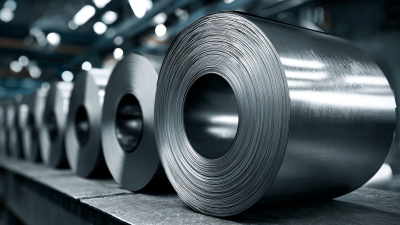
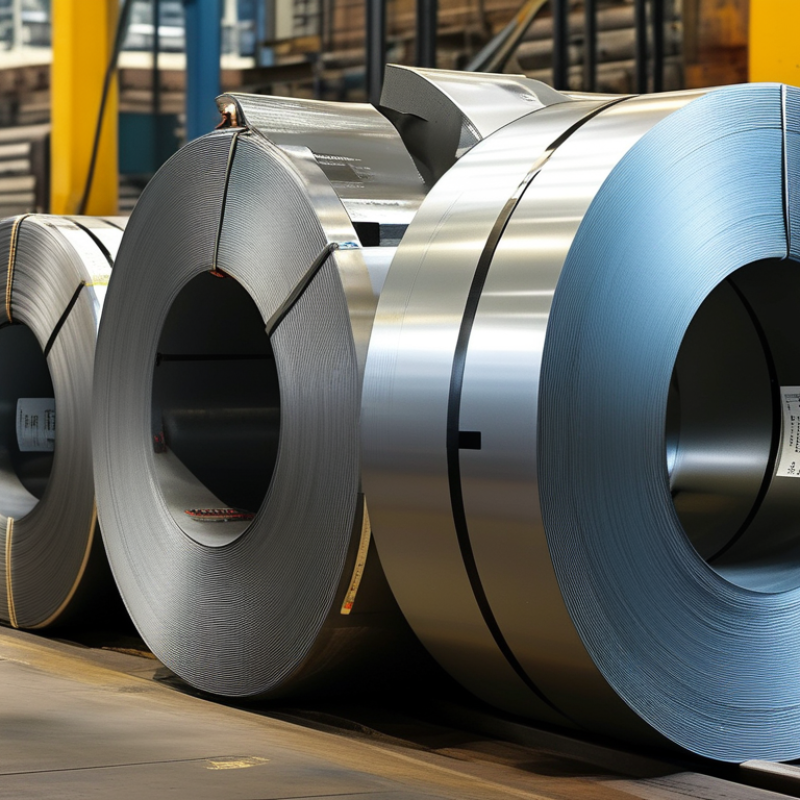
Cold rolled coils are essential materials in various industries. They are produced through a process that involves rolling steel at room temperature. This method enhances surface finish and improves dimensional accuracy. Cold rolled coils find applications in automotive, construction, and appliance manufacturing. Their strength and durability make them ideal for demanding environments.
When selecting cold rolled coils, consider several factors. The thickness and width of the coils significantly impact their application. Additionally, be aware of the tension level required for your products. Different grades of steel may also affect performance. Always verify the technical specifications to ensure compatibility with your project.
Tips: Examine the supplier's background. Look for companies with proven expertise in delivering quality cold rolled coils. Request samples to assess their performance in real-world conditions. Do not overlook the importance of certifications that validate the production process. It might take time to find the right fit, but thorough research pays off.
How to Choose Cold Rolled Coils for Your Global Sourcing Needs?
| Dimension (mm) |
Thickness Range |
Tensile Strength (MPa) |
Applications |
| 1000 x 2000 |
0.3 - 3.0 |
300 - 500 |
Automotive Parts, Appliances |
| 1200 x 2400 |
0.4 - 2.5 |
350 - 550 |
Construction, Furniture |
| 1500 x 3000 |
0.5 - 4.0 |
400 - 600 |
Manufacturing, Electrical |
| 2000 x 4000 |
0.2 - 3.5 |
360 - 580 |
Heavy Machinery, Shipbuilding |
Key Factors to Consider When Selecting Cold Rolled Coils
Choosing cold rolled coils is crucial for effective global sourcing. Understanding specific requirements is essential. Quality, thickness, and surface finish are vital factors. Reports indicate that cold rolled steel typically carries a lower thickness tolerance than other steel forms. This aspect often dictates its application in automotive and construction industries.
Another key consideration is the material composition. The mechanical properties vary significantly with different alloys. For instance, a higher carbon content can enhance strength but may reduce ductility. A study highlighted that 63% of industrial professionals prioritize mechanical performance when selecting materials. Additionally, suppliers’ certifications matter. A reliable supplier often holds ISO standards, ensuring quality consistency over time.
Cost is not the only aspect to focus on. Logistics and import duties can significantly affect pricing. A recent report noted that shipping costs have increased by over 15% due to global supply chain disruptions. This factor must be included in total cost calculations. Poor logistical planning can lead to delays, impacting project timelines. Evaluate all these elements for informed decision-making.
Evaluating Suppliers: Reliability and Certifications
When evaluating suppliers for cold rolled coils, reliability is crucial. Reliable suppliers ensure consistent quality and delivery. Research shows that companies often face unexpected delays and subpar materials. It’s essential to verify a supplier's track record. Ask for references and conduct background checks.
Certifications can indicate a supplier's commitment to quality. Look for ISO certifications or other relevant industry standards. These documents signal adherence to rigorous quality processes. However, certifications alone do not guarantee excellence. Some suppliers may possess the papers but lack real-world reliability.
Transparency is key when assessing a supplier's reliability. Open communication about production processes can reveal much. Don’t just rely on what’s on paper. Real experiences differ from stated capabilities. A visit to the supplier’s facility can provide deeper insights. Pay attention to their operations and workforce. Engage in discussions about challenges they face. Such interactions may uncover potential risks or dependability issues.
Cost Analysis: Budgeting for Cold Rolled Coils in Sourcing
When budgeting for cold rolled coils, it's essential to consider various factors. Cold rolled coils vary widely in price, influenced by thickness, steel grade, and market conditions. Understanding these elements helps you create an accurate budget. Establishing a clear budget prevents overspending and ensures you remain competitive.
**Tips:** Always research current market prices. Compare several suppliers to find trends. This insight aids in anticipating price fluctuations.
Also, consider additional costs. Shipping, tariffs, and processing fees can add up. These hidden expenses can disrupt your budget. It’s important to account for them upfront.
**Tips:** Break down costs into categories. Keep a detailed spreadsheet to track your spending. This creates transparency and allows adjustments when necessary.
Overall, flexibility is key in sourcing cold rolled coils. The market can change rapidly. Be ready to adapt your strategy based on real-time data. Prioritize reliable suppliers who offer not just competitive pricing but also consistent quality.
Quality Assurance: Testing and Standards for Cold Rolled Coils
When sourcing cold rolled coils, quality assurance plays a crucial role. Without proper testing and adherence to standards, the end product might fail to meet specifications. Employing a systematic approach to quality control ensures the coils perform as needed. Non-destructive testing methods like ultrasonic or eddy current testing can detect internal flaws. Visual inspections, while basic, are just as essential.
Standards for cold rolled coils vary by application and region. Key metrics include thickness tolerance, surface finish, and mechanical properties. For example, the American Society for Testing and Materials (ASTM) has specific guidelines that can offer insights into quality requirements. It is vital to ensure suppliers are compliant with these standards. However, not all suppliers may meet these criteria consistently. Establishing relationships with reliable suppliers can fill this gap.
While many focus solely on price, overlooking quality can lead to costly returns and delays. Remember that a lower initial investment may result in higher long-term costs. Quality assurance should be a priority. Engage with suppliers about their testing processes and certification. Uncertainties can arise, but diligence in quality assurance paves the way for smoother operations and reliable outcomes.