How to Choose the Right Steel Plate for Your Project?
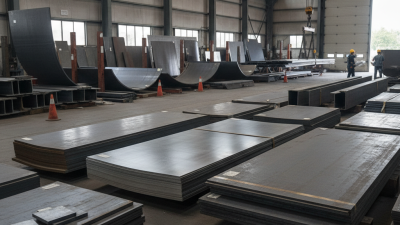
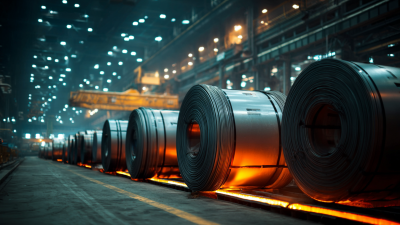
Choosing the right steel plate is crucial for any construction or manufacturing project. Steel plates are fundamental in various applications, from structural frameworks to heavy machinery. According to the World Steel Association, the global production of steel reached approximately 1.9 billion metric tons in 2021, indicating a robust demand. This highlights the importance of selecting quality steel plates tailored to specific needs.
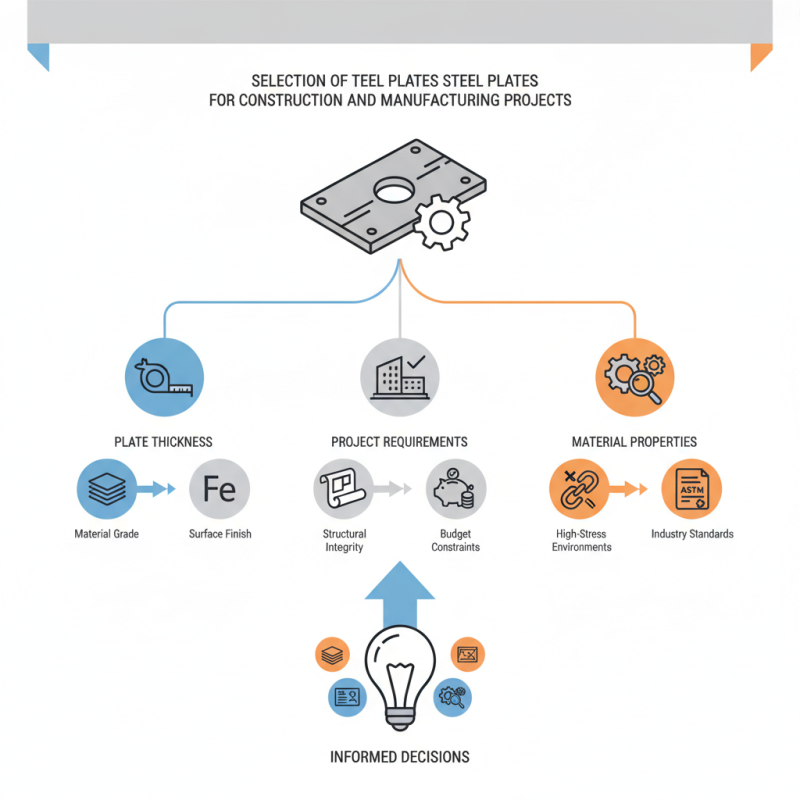
When evaluating steel plates, several factors come into play. Plate thickness, material grade, and surface finish can significantly influence the project outcome. The American Institute of Steel Construction (AISC) emphasizes using the correct grade to ensure structural integrity. However, the market can be overwhelming, with diverse options available. It's essential to reflect on your project's unique requirements and budget constraints. Not all standard plates may suit specialized applications.
Understanding the material properties is vital to prevent costly mistakes. For instance, using a plate unsuitable for high-stress environments may lead to failures. This could compromise safety and increase expenses. Knowledge of the differing standards, such as ASTM specifications, can further refine choices. By considering these elements, one can make more informed decisions in selecting steel plates that meet both practical and financial needs.
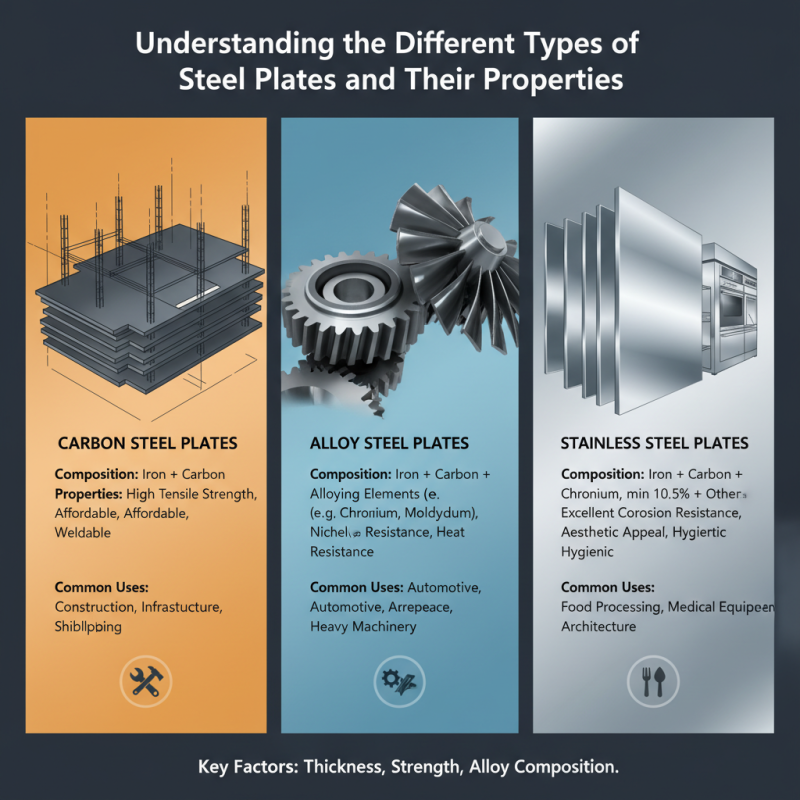
Understanding the Different Types of Steel Plates and Their Properties
When selecting a steel plate for your project, understanding the various types and their properties is crucial. Steel plates are classified based on factors such as thickness, strength, and alloy composition. Common types include carbon steel plates, alloy steel plates, and stainless steel plates. Each type offers distinct benefits suited to different applications. For example, carbon steel plates, widely used in construction, provide excellent tensile strength at an affordable price.
Furthermore, the specifications of steel plates can be highly technical. According to a report from the Steel Market Development Institute, the yield strength of common carbon steel plates can range between 36,000 to 50,000 psi. In contrast, stainless steel plates typically exhibit higher corrosion resistance, making them ideal for marine applications. It's worth noting that the ASTM standards guide the quality and durability of these materials, ensuring they meet industry needs.
Tips: Always consult engineering standards when selecting steel plates. This ensures compliance with safety regulations. Consider project-specific requirements, such as load capacity and environmental conditions. Revisiting your choices after initial selection can reveal overlooked aspects that impact performance and longevity. Finally, engage with industry professionals for insights that might not be immediately evident in data reports.
Evaluating the Application Requirements for Your Project
Choosing the right steel plate involves understanding your project’s specific needs. The application requirements can significantly influence the type of steel plate you should select. For instance, if your project involves high-impact environments, you need a plate that can withstand extreme pressure and stress. Look for options with higher tensile strength and toughness.
Environmental factors can also play a crucial role. Consider the exposure to moisture, chemicals, or extreme temperatures. Some steel plates are better suited for corrosion resistance than others. If you overlook these elements, you may end up with a plate that warps or degrades over time. It's essential to evaluate the steel's condition after a period of use. Are there signs of wear and tear? This reflection can help in future projects.
Ultimately, the application requirements dictate the performance of the steel plate. Each project may require a unique approach. Gather feedback from the construction team about the material’s behavior. This insight can lead to better decision-making in subsequent projects. Selecting the wrong type can result in financial losses and delays, which is something to avoid at all costs.
Material Properties Comparison for Steel Plates
This chart compares the tensile strength and hardness of different types of steel plates commonly used in projects. Understanding these properties helps in selecting the right material for specific application requirements.
Factors to Consider When Selecting Steel Plate Thickness
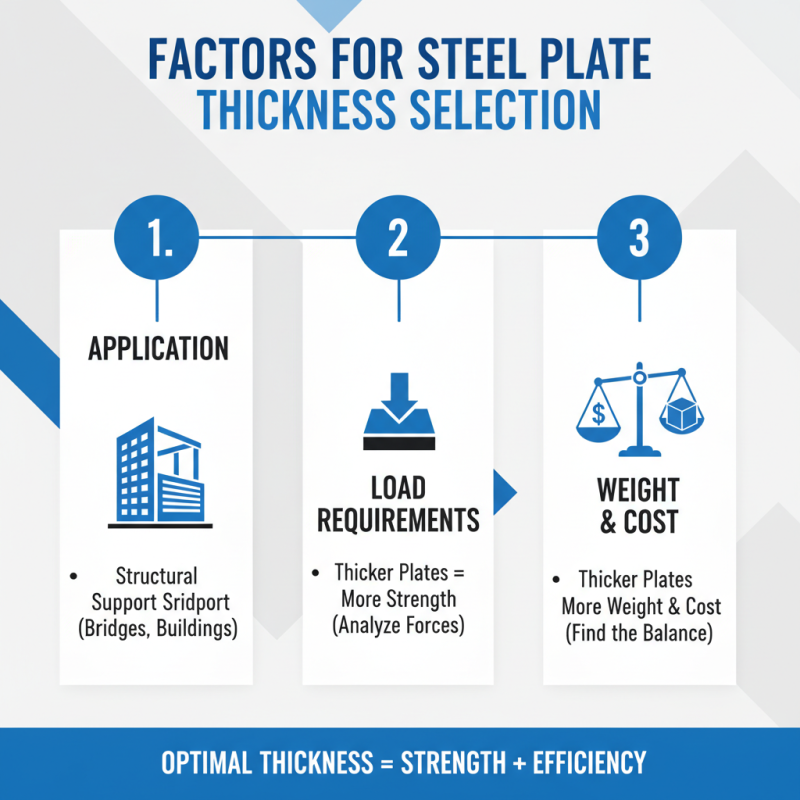
When selecting the right steel plate for your project, the thickness is a crucial factor. The required thickness often depends on the application. For structural support, thicker plates provide better strength. However, they also add weight and cost. Balancing these elements is essential. A well-structured analysis of load requirements will help determine the necessary thickness.
It’s vital to consider how the steel plate will be used. Will it endure heavy loads or resist impact? A thicker plate may be needed in these scenarios. Conversely, for decorative or lightweight applications, a thinner plate suffices. Think about the design and function of your project. The thickness must align with these needs.
Reflecting on your choice of thickness is important. Each project is unique, and one-size-fits-all does not apply. Often, engineers must revisit their decisions based on testing and performance results. This process can reveal that adjustments are necessary. Learning from these experiences leads to improved future choices in steel plate selection.
Analyzing Cost-Effectiveness in Steel Plate Selection
Cost-effectiveness is vital when selecting steel plates for construction and manufacturing. Industry reports indicate that nearly 40% of project budgets are spent on materials. Therefore, a thorough understanding of material properties can influence overall costs significantly.
Using high-strength steel can lead to savings in both weight and material volume. Reducing the weight of components can lower shipping costs by 20%. However, it's crucial to balance strength with expense. Cheaper materials may lead to higher long-term maintenance costs. A study from the Steel Construction Institute showed that lifecycle costs can be three times the initial material expenditure if poor choices are made.
Evaluating specific project requirements can yield different results. An analysis by the American Institute of Steel Construction notes that selecting the appropriate thickness can enhance durability. Yet, choosing an excessive thickness may unnecessarily inflate costs. Contractors must conduct careful evaluations to avoid miscalculations. Assumptions can misguide choices. Each project tells a different story, requiring personalized attention to detail in material selection.
Safety Standards and Regulations for Steel Plate Usage
When selecting a steel plate for your project, safety standards should be a priority. Various regulations govern the use of steel in construction and manufacturing. These standards ensure that the material maintains structural integrity under stress and environmental conditions. Adherence to safety protocols can significantly reduce risks associated with steel plate usage.
It is essential to familiarize yourself with local and international safety guidelines. These can include specifications such as thickness, tensile strength, and impact resistance. Not all steel plates meet these criteria. Choosing a plate that does not comply can lead to severe issues down the line.
Documenting your choices is also crucial. Keep records of certifications and approvals from trusted bodies. This is often overlooked, leading to difficulties in future inspections. Understanding and following safety standards is not just about compliance; it’s about fostering a culture of safety in every project. Evaluate your choices carefully. Remember that cutting corners now may lead to greater costs later.
How to Choose the Right Steel Plate for Your Project? - Safety Standards and Regulations for Steel Plate Usage
| Dimension |
Material Grade |
Thickness (inches) |
Safety Standards |
Common Applications |
| 4' x 8' |
A36 |
0.25 |
ASTM A36/A36M |
Construction, Heavy Equipment |
| 5' x 10' |
SS400 |
0.375 |
JIS G3101 |
Structural Beams, Frames |
| 3' x 6' |
A992 |
0.5 |
ASTM A992 |
High-Rise Buildings, Bridges |
| 4' x 10' |
Q235 |
0.625 |
GB/T 700 |
Manufacturing, Machinery |
| 6' x 12' |
S235JR |
0.75 |
EN 10025-2 |
Heavy Industry, Shipbuilding |