Why Choose Steel Plate for Your Construction Projects?
Steel Plate has emerged as a crucial material in modern construction projects. Its strength-to-weight ratio significantly surpasses that of traditional materials. According to the World Steel Association, the demand for steel plate in construction has been steadily rising, accounting for nearly 35% of the global steel production in recent years.
The versatility of Steel Plate allows it to be used in various applications, from high-rise buildings to bridges. A recent market analysis by MarketsandMarkets indicates that the global steel plate market is expected to grow at a compound annual growth rate (CAGR) of 4.3% through 2026. This growth is propelled by ongoing urbanization and infrastructure development worldwide.
However, choosing Steel Plate is not without challenges. Issues such as corrosion and environmental impact must be addressed. While Steel Plate offers exceptional durability, it requires proper maintenance. Engineers must weigh the benefits against these concerns. Understanding both the advantages and drawbacks is vital in making an informed decision for construction projects.
Advantages of Steel Plate in Construction: Durability and Strength
When considering materials for construction, steel plate stands out for its exceptional durability and strength.
Steel plate can withstand extreme weather conditions without compromising its integrity. This endurance reduces the need for frequent repairs and replacements.
Consequently, projects can stay on schedule, minimizing delays and added costs.
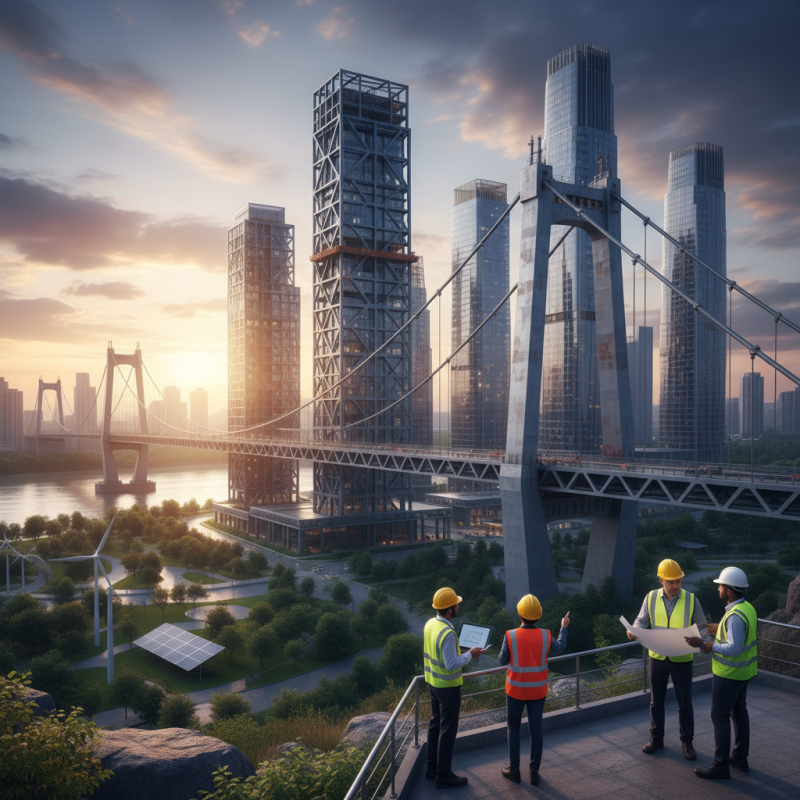
Moreover, steel plate’s inherent strength makes it ideal for various applications. It can support heavy loads, making it suitable for beams, columns, and foundations.
Its versatility extends to both residential and commercial structures, allowing for innovative designs.
However, one must recognize that improper installation can lead to issues. Ensuring skilled workmanship is crucial in realizing the material's potential benefits.
While the benefits are apparent, challenges remain. While steel plates resist corrosion, they still require protective treatments in harsh environments.
Price fluctuations in steel can also impact project budgets, necessitating careful planning.
Evaluating these factors is essential to make informed decisions about incorporating steel plate into construction projects.
Cost-Effectiveness of Steel Plates Compared to Alternative Materials
When considering materials for construction projects, steel plates stand out due to their cost-effectiveness. According to the American Institute of Steel Construction, steel can be 30% cheaper than traditional concrete in many scenarios. This significantly reduces overall project expenditure while maintaining structural integrity.
Moreover, the longevity of steel plates adds to their financial advantage. Steel structures can last over 50 years with minimal maintenance, whereas concrete typically shows signs of wear within two to three decades. This durability translates to fewer repairs and lower lifetime costs for projects. A recent study by the Steel Construction Institute highlights that the lifespan of steel may lead to savings of nearly 25% in lifecycle costs.
However, the supply chain fluctuations can affect steel prices unpredictably. This makes planning crucial for construction budgets. While steel plates offer robust benefits, it’s essential to analyze local market conditions. Thoughtful evaluation ensures that builders can maximize their investments in steel while forecasting potential impacts on their budgets caused by volatility.
Why Choose Steel Plate for Your Construction Projects? - Cost-Effectiveness of Steel Plates Compared to Alternative Materials
| Material |
Cost per Ton (USD) |
Durability (Years) |
Weight (lbs/ft2) |
Recyclability |
| Steel Plate |
700 |
50 |
10 |
Yes |
| Aluminum Plate |
2500 |
30 |
5 |
Yes |
| Concrete |
150 |
100 |
150 |
No |
| Wood |
300 |
20 |
15 |
Yes |
Sustainability of Steel Plates: Recycling and Environmental Impact
Steel plates are gaining traction in construction due to their environmental benefits. A significant advantage is their recyclability. According to the World Steel Association, about 85% of steel is recycled at the end of its life cycle. This means that steel can be reused repeatedly without losing its properties. Each ton of recycled steel saves 1,400 kg of iron ore, 740 kg of coal, and 120 kg of limestone.
Construction projects that prioritize sustainability can benefit from this cycle. Using steel plates reduces waste and minimizes the demand for new materials. However, not all steel products meet the same environmental standards; thus, thorough verification is crucial.
Tip: Always verify the recycling rates of the steel products you use. Collaboration with certified suppliers can enhance your project's sustainability.
Choosing steel plates contributes to lower carbon footprints. Yet, challenges exist. The production process of steel still involves energy consumption, leading to emissions. Balancing the use of steel with other materials can help mitigate this impact.
Tip: Incorporate sustainable practices throughout your construction process. This can include using energy-efficient equipment and reducing transportation emissions.
Design Flexibility and Fabrication Benefits of Steel Plates
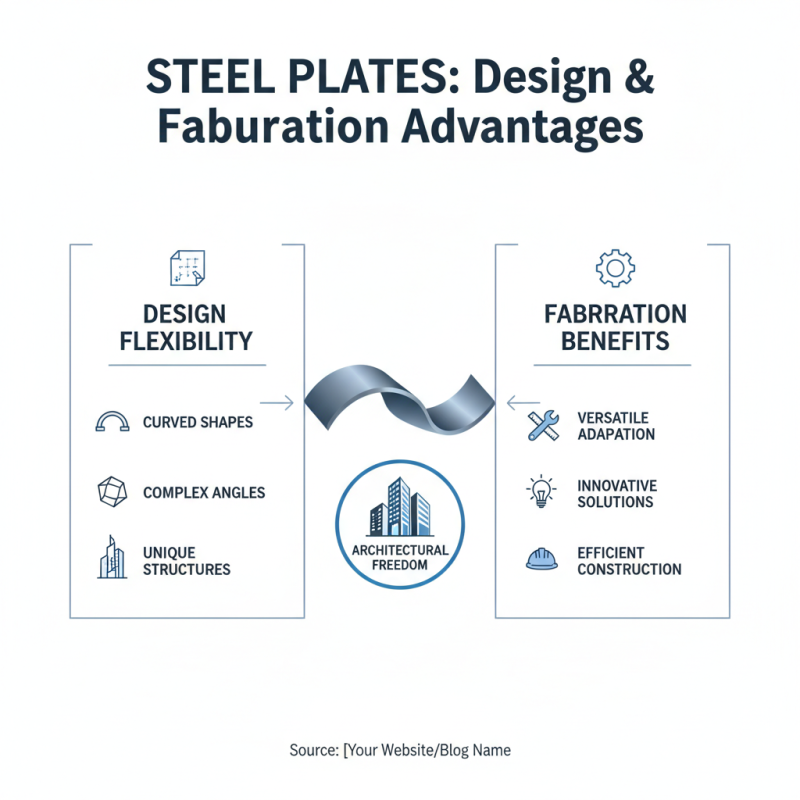
Steel plates offer remarkable design flexibility for construction projects. Their versatility allows architects to create unique structures. From curved designs to complex angles, steel can adapt to various specifications. This adaptability leads to innovative building solutions.
Fabrication benefits are significant. Steel plates can be easily shaped and welded, reducing waste during construction. This efficiency can lower overall project costs. However, proper planning is essential to maximize these benefits. Misestimations in material needs can lead to delays. Understanding the specific project requirements ensures a smoother process.
Moreover, the strength of steel enhances safety and longevity. It withstands environmental challenges better than many materials. However, fluctuating market prices can complicate budgeting. Staying informed about the steel market is vital. Proper education on these factors can lead construction teams to successful outcomes.
Performance in Extreme Conditions: Resistance to Natural Disasters
In construction, steel plate is often selected for its remarkable performance in extreme conditions. Natural disasters pose a significant risk to structures. Steel plates offer exceptional resilience against forces such as earthquakes, floods, and tornadoes. Their strength makes them a reliable choice for critical infrastructure. In areas prone to severe weather, this material can withstand intense pressure.
Consider a heavy storm where wind speeds exceed 100 mph. Buildings using steel plates are likelier to remain intact. They can endure the stress that lighter materials cannot. This durability reduces the risk of catastrophic failure. Even in the face of flooding, steel's resistance to corrosion helps preserve structural integrity. However, it’s essential to ensure proper installation and maintenance. Neglect could lead to unforeseen vulnerabilities over time.
Projects that focus on disaster-resilient design can benefit immensely from steel plates. Though cost may be a consideration, the long-term savings from reduced repairs and damages are significant. Decisions should involve careful analysis of climate conditions and building requirements. Reflecting on past failures, we see that materials like wood or plastic often falter under duress, emphasizing the need for robust alternatives.
Why Choose Steel Plate for Your Construction Projects?
Performance in Extreme Conditions: Resistance to Natural Disasters