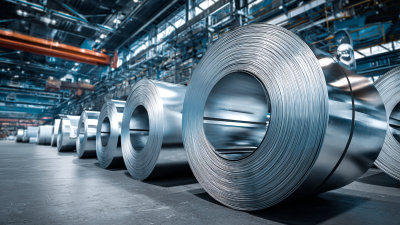
Why is Cold Rolled Sheet Essential in Modern Manufacturing?
Cold Rolled Sheet plays a crucial role in modern manufacturing. As industries advance, the demand for high-quality materials increases. According to a recent report by the Steel Industry Association, global production of cold rolled sheets is projected to grow by 5% annually. This statistic highlights its significance across sectors like automotive and construction.
Expert John Miller, a leading authority on steel production, states, "The efficiency of manufacturing processes largely hinges on the quality of materials like Cold Rolled Sheet." His insight emphasizes that the right material can transform production capabilities.
Despite its advantages, the industry faces challenges. Production costs can fluctuate unpredictably. Companies need to adapt to market trends. As a result, understanding the role of Cold Rolled Sheet becomes essential for staying competitive and innovative. Balancing quality and cost remains a recurring dilemma for many manufacturers.
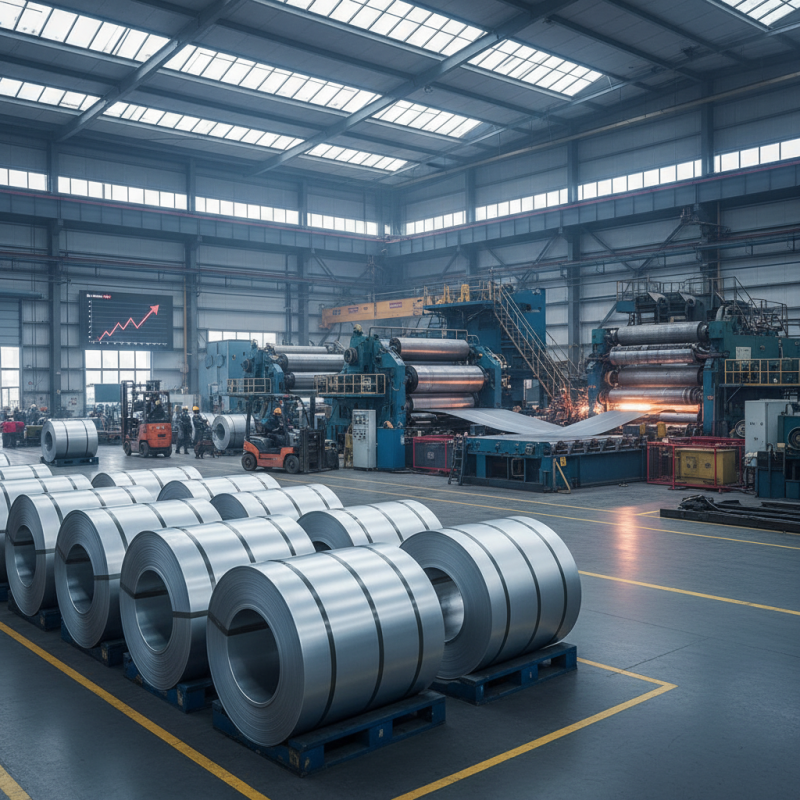
Understanding Cold Rolled Sheets and Their Production Process
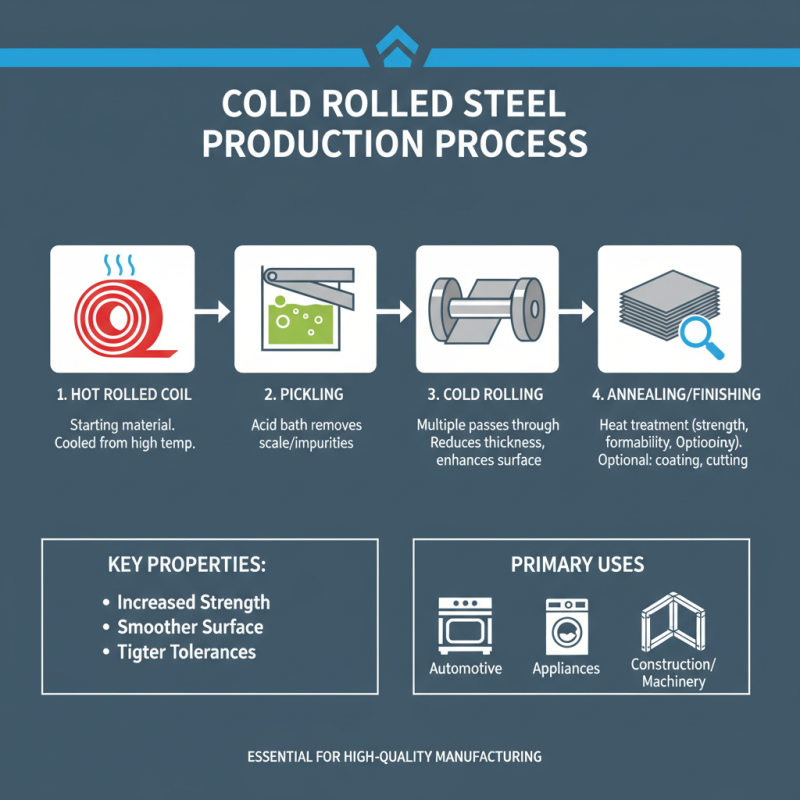
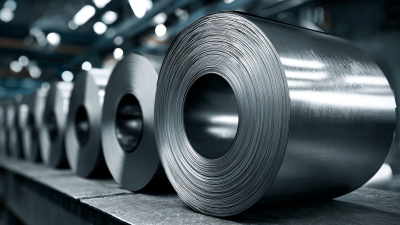
Cold rolled sheets play a vital role in various manufacturing sectors. Understanding their production process reveals why they are so essential. The journey begins with hot rolled steel, which is then cooled and further processed. The sheets undergo a series of passes through rollers, reducing their thickness and enhancing surface finish. This allows for improved mechanical properties and heightened strength.
One of the unique aspects of cold rolled sheets is the precise control over dimensions. This is crucial in industries like automotive and electronics. The thickness tolerance can be as tight as 0.01 mm. The resulting sheets have a smooth surface, making them ideal for applications requiring good aesthetics. However, extra attention is needed during handling, as scratches can occur easily.
**Tip:** Always maintain cleanliness in the workspace. Contaminants can severely affect quality.
Despite their advantages, cold rolled sheets may be prone to warping during production. Engineers must monitor and adjust processes to minimize this risk. They should also consider the potential for edge cracking. Understanding these challenges contributes to better production quality.
**Tip:** Regularly inspect rolls and machinery. This prevents unexpected downtime and ensures consistency.
Incorporating cold rolled sheets effectively into manufacturing processes can significantly enhance product performance. The attention to detail in their production offers clear benefits. However, the challenges involved require ongoing refinement and vigilance to truly reap the rewards.
Key Properties of Cold Rolled Sheets That Enhance Manufacturing
Cold rolled sheets have unique properties that make them a staple in modern manufacturing. Their superior surface finish offers smoothness, which is crucial for aesthetic applications. The tight tolerances of these sheets allow for precise parts, reducing waste during production. These qualities improve not just functionality, but also the overall production process.
Another significant feature of cold rolled sheets is their enhanced mechanical strength. This property allows manufacturers to produce robust components necessary for structural applications. However, the increased strength can also pose challenges when forming or bending the sheets. Manufacturers often need to invest in specialized tools, adding to overall costs. This can lead to reflections on the balance of quality and expenditure in production workflows.
Ultimately, cold rolled sheets enhance efficiency in manufacturing but require thought consideration. The trade-off between their advantages and the investment in technology can spark debate. As manufacturers strive for innovation, assessing material choices critically becomes important. Decisions should weigh functionality against production feasibility continually, ensuring optimal outcomes.
Applications of Cold Rolled Sheets in Various Industries
Cold rolled sheets play a vital role in various industries due to their strength and versatility. In the automotive sector, these sheets are commonly used to create body panels, frames, and components. Their smooth surface allows for easy painting and finishing, which enhances vehicle aesthetics. Additionally, the sheets contribute to better fuel efficiency through lightweight designs.
In building and construction, cold rolled sheets serve as structural support. They are found in roofing, wall panels, and even safety barriers. The durability of these sheets ensures they withstand harsh weather conditions, making them a preferred choice for critical applications.
Tips: When sourcing cold rolled sheets, consider the thickness needed for your project. A thicker sheet may offer more strength but can add weight. Also, always verify the sheet's specifications to avoid mismatched materials.
The electronics industry relies on cold rolled sheets for housing and components. They provide excellent conductivity and protection. However, manufacturers must pace themselves with quality checks, as poor-quality sheets can lead to device failures. Regular inspections are key to maintaining standards.
Advantages of Using Cold Rolled Sheets Over Other Materials
Cold rolled sheets have become indispensable in modern manufacturing. Their unique properties set them apart from other materials. Firstly, cold rolling enhances the surface finish. The result is a smooth, shiny texture. This aesthetic quality is often desirable in consumer products.
Moreover, cold rolled sheets offer superior dimensional accuracy. They maintain tighter tolerances during processing. This precision reduces waste and enhances product consistency. It allows for more intricate designs that are difficult to achieve with other materials. Manufacturers appreciate this level of detail.
Another notable advantage is higher strength. Cold rolled sheets possess improved tensile strength compared to hot rolled alternatives. This strength translates to better durability in applications. However, working with these sheets requires careful handling. Their stiffness can complicate forming processes. Manufacturers must adjust their techniques accordingly. Embracing these challenges can lead to better-crafted products.
Future Trends in Cold Rolled Sheet Manufacturing Techniques
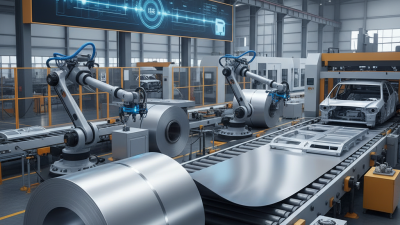
Cold rolled sheet manufacturing techniques are evolving rapidly. Companies are embracing innovation to enhance efficiency. Automation is becoming a game changer. Machines now operate with greater precision, reducing waste and improving quality. But this shift comes with challenges. The investment is significant and requires skilled workers. Finding the right workforce can be tough.
Sustainability is another vital focus. Companies are exploring eco-friendly materials and processes. The goal is to reduce environmental impact. However, not all materials are easily recyclable. This raises questions about long-term effects. It’s imperative to rethink resource usage.
Smart technologies are shaping the future. Smart sensors monitor production lines closely. Data analytics help optimize operations. This not only boosts productivity but also ensures safety. Yet, reliance on technology can lead to vulnerabilities. Cybersecurity must be a priority as factories digitize. Balancing innovation and security is essential for success.
Why is Cold Rolled Sheet Essential in Modern Manufacturing? - Future Trends in Cold Rolled Sheet Manufacturing Techniques
| Dimension |
Current Trends |
Future Trends |
| Thickness |
0.3 mm - 3 mm |
Ultra-thin sheets (< 0.3 mm) |
| Surface Finish |
Standard matte finish |
High gloss and textured finishes |
| Production Technique |
Traditional cold rolling |
Advanced automation and AI integration |
| Applications |
Automotive parts, appliance skins |
Electronics, aerospace components |
| Market Demand |
Steady growth in automotive |
Increased demand in green technologies |