What is Galvalume Coil and Why Choose It for Your Projects
Galvalume Coil is a versatile material widely used in construction and manufacturing. It combines aluminum and zinc for superior corrosion resistance. This quality makes Galvalume Coil a preferred choice for roofing and siding projects.
Many builders appreciate its durability and longevity. Its sleek finish enhances the aesthetic appeal of structures. However, not all projects may benefit from its properties. It’s important to consider specific environmental factors.
Cost is another aspect to reflect on. Though Galvalume Coil might seem pricier upfront, its lifespan often justifies the investment. Understanding individual project needs is crucial for making the right decision. In summary, Galvalume Coil offers a balance of beauty and practicality.
What is Galvalume Coil?
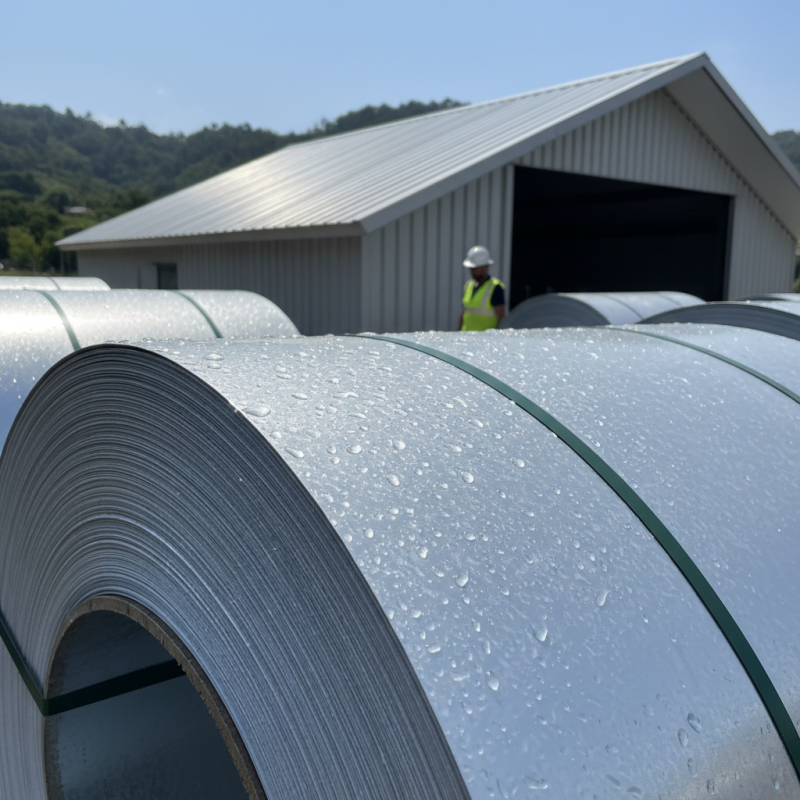
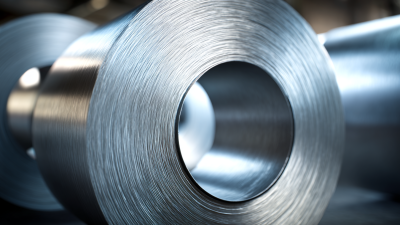
Galvalume coil is a type of coated steel that combines durability with outstanding corrosion resistance. The coating consists of zinc, aluminum, and silicon. This unique blend provides enhanced protection compared to traditional galvanized steel. The aluminum forms a protective barrier, while the zinc protects against rust. This is why it’s often used in roofing, siding, and various metal structures.
Choosing Galvalume coil for construction projects can be a smart decision. It boasts a reflective surface, improving energy efficiency. Many builders appreciate its aesthetic appeal. The shiny surface can enhance the visual design of buildings. However, it is crucial to consider local climates. In coastal areas, for example, the salt can impact performance. Regular maintenance is still necessary. Even durable materials can face challenges over time.
Moreover, the application process requires attention to detail. Improper handling can lead to scratches that may affect the coating. Ensuring a clean environment during installation is vital. Mistakes are common, but awareness can help mitigate them. Construction professionals must weigh the pros and cons before making a choice. Galvalume coil presents advantages, but it is not without its flaws.
Galvalume Coil Usage Comparison
This bar chart illustrates the percentage usage of Galvalume coil in different construction applications such as roofing, siding, and automotive manufacturing. Galvalume's unique properties make it a preferred choice in various industries.
Composition and Manufacturing Process of Galvalume Coil
Galvalume coil is an advanced material widely used in construction and various projects. It combines aluminum and zinc coatings on steel, providing enhanced resistance to corrosion. The composition typically includes about 55% aluminum, 43.4% zinc, and 1.6% silicon. This unique blend offers durability and a long lifespan, making it ideal for roofing and siding.
The manufacturing process involves hot-dipping steel sheets in molten zinc and aluminum. This technique ensures a strong bond between the coating and the steel substrate. The thickness of the coating can vary, allowing for customization based on project requirements. Despite its advantages, some might argue about the higher initial cost compared to traditional galvanized steel. This aspect often raises questions about budget allocation in projects.
Moreover, while Galvalume provides excellent weather resistance, the aesthetic appeal can sometimes be a concern. Some clients prefer the classic look of galvanized steel. Each choice comes with pros and cons that require careful consideration. The right decision depends on specific project needs and long-term goals.
Key Benefits of Using Galvalume Coil in Construction Projects
Galvalume coil is gaining popularity in construction. Its steel base is coated with
aluminum-zinc alloy. This combination offers excellent resistance to
corrosion. It's ideal for roofs and siding. According to a report
by the MAPI Foundation, buildings using Galvalume have a lifespan that exceeds
30 years.
One key advantage of Galvalume is its reflective properties. Studies show that roofing
with this material can reduce energy costs by 20%
or more. This feature plays a critical role in sustainable building practices.
However, it’s essential to consider local climates when making material
decisions. Galvalume may not perform equally in all environments.
Another benefit is its maintenance requirements. Galvalume coils typically require less
upkeep than traditional materials. However, they are not entirely maintenance-free.
Scratches or severe impacts can expose the base metal. Yet, its overall durability
makes it a sound investment for many projects. Choosing Galvalume means
balancing initial costs with long-term benefits.
It's not always the obvious choice, and
project specifications dictate its suitability.
Common Applications of Galvalume Coil in Various Industries
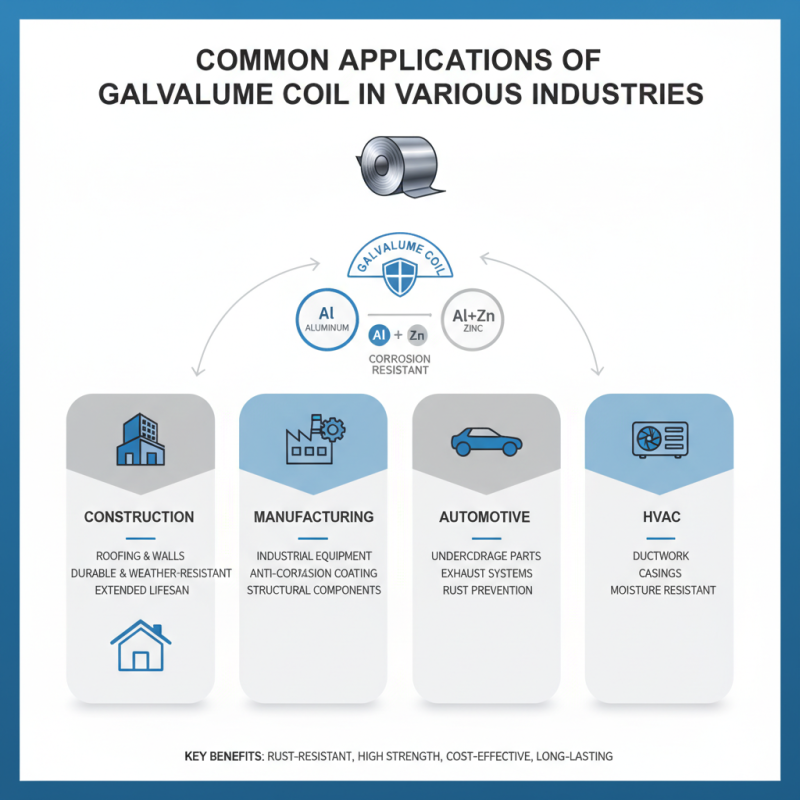
Galvalume coil is a metal coating that combines aluminum and zinc. This unique composition makes it resistant to rust and corrosion. Industries widely use Galvalume because it enhances the lifespan of products. Buildings often utilize it for roofs due to its durability and weather resistance.
In manufacturing, Galvalume is popular for creating gutters and siding. Its reflective properties help in energy efficiency, making it a green choice. The automotive industry has also embraced Galvalume for components that require strength and resilience. Several manufacturers face challenges with this material. Sourcing high-quality Galvalume can be tricky, and understanding its applications takes time.
Despite these concerns, many find it beneficial for projects. The aesthetic appeal of Galvalume cannot be ignored. It comes in various finishes, allowing for design flexibility. This adaptability can lead to unexpected results in projects. Balancing cost and quality is always a challenge, yet Galvalume often stands out as a viable option.
Comparative Analysis: Galvalume Coil vs. Other Coating Materials
Galvalume coil is an excellent material for many construction projects. It combines aluminum and zinc to provide superior corrosion resistance. This unique blend offers durability while maintaining a lightweight structure. Compared to other coatings, Galvalume is less prone to rust and oxidation. This makes it an appealing choice for roofing and siding applications.
When we examine Galvalume coil versus galvanized steel, the differences are evident. Galvanized steel relies solely on zinc for protection. While effective, it can still corrode over time. Galvalume, on the other hand, stands out with its enhanced long-term performance. However, some may question if the higher upfront cost of Galvalume is worth it.
In comparison, other materials like PVC coatings offer a range of colors and aesthetics. Yet, they may lack the robustness of Galvalume. Furthermore, they often require more maintenance. While Galvalume won’t match the visual appeal of certain coatings, its practical benefits are hard to ignore. Ultimately, the choice will depend on the project’s specific needs and budget considerations.
What is Galvalume Coil and Why Choose It for Your Projects - Comparative Analysis: Galvalume Coil vs. Other Coating Materials
| Coating Material |
Corrosion Resistance |
Durability (Years) |
Cost ($/sq ft) |
Weight (lbs/100sqft) |
Energy Efficiency |
| Galvalume Coil |
Excellent |
20+ |
0.70 |
50 |
High |
| Galvanized Steel |
Good |
10-15 |
0.60 |
55 |
Moderate |
| Aluminum |
Very Good |
20-30 |
1.00 |
48 |
High |
| Zincalume |
Excellent |
20+ |
0.80 |
52 |
Good |
| Vinyl Coated Steel |
Moderate |
15-20 |
0.90 |
60 |
Low |