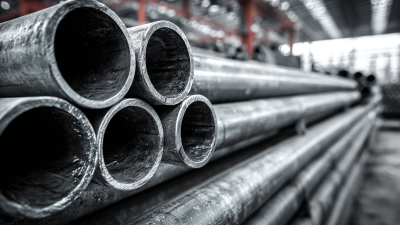
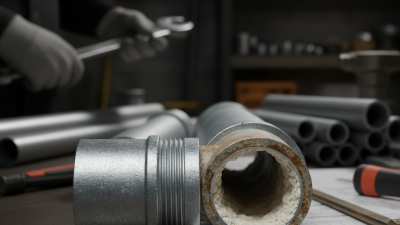
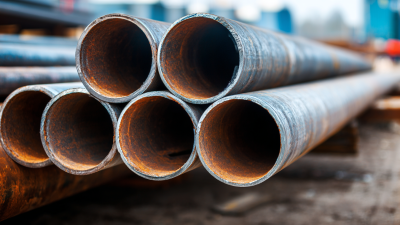
Why Choose Galvanized Pipe for Your Construction Projects?
In today's construction industry, choosing the right materials is crucial. One popular choice is Galvanized Pipe. According to industry expert, John Smith, "Galvanized Pipe offers durability that is hard to match." This statement underscores its significance in various applications.
Galvanized Pipe is coated with zinc to prevent corrosion. This feature makes it ideal for projects exposed to moisture. For example, water supply lines and outdoor structures often benefit from its protective properties. However, potential drawbacks exist. Some builders may find the initial costs higher than non-galvanized options.
Further, while Galvanized Pipe is strong, improper installation can lead to issues. Ensuring correct fittings and joints is essential. In a world focused on sustainability, these pipes can offer a long-term solution. The decision to use Galvanized Pipe should involve careful consideration of both benefits and limitations.
The Advantages of Using Galvanized Pipe in Construction Projects
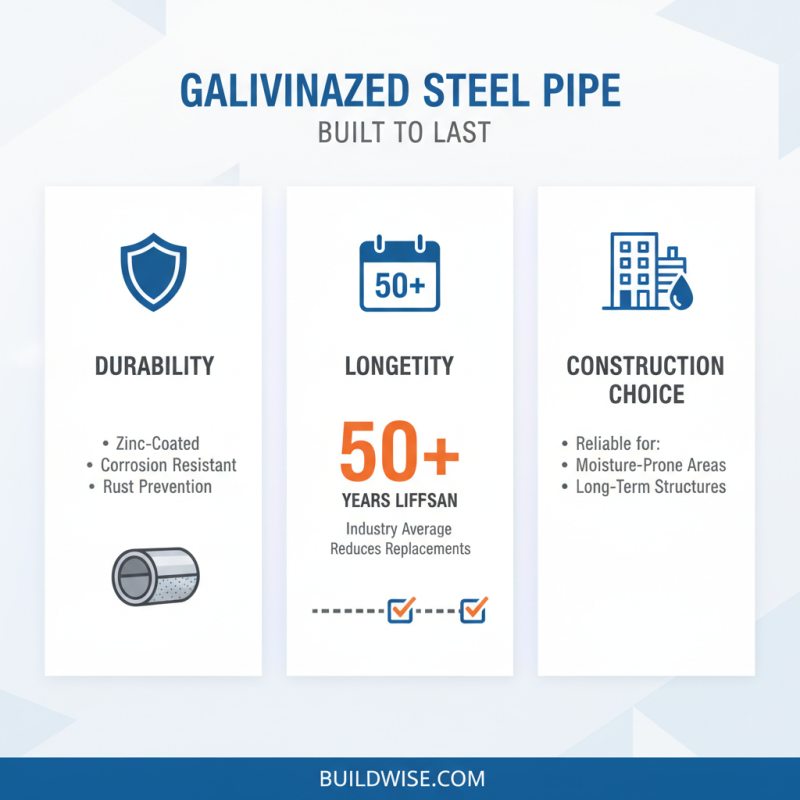
Galvanized pipe is a popular choice in construction. Its durability is one of the key advantages. According to a report by the American Galvanizers Association, galvanized pipes have a lifespan that exceeds 50 years in most environments. This longevity reduces the need for replacements and repairs, saving costs over time.
Another benefit is corrosion resistance. The zinc coating protects the steel beneath. In harsh environments, this feature is vital. Data shows that galvanized pipes can resist rust better than regular steel pipes. In areas like coastal zones, this can be a game changer for structural integrity. However, it is important to note that improper installation can lead to moisture being trapped between joints, which may cause issues down the road.
Moreover, galvanized pipe is recyclable. This makes it an eco-friendly option that aligns with sustainable building practices. In 2022, nearly 90% of all scrap steel was recycled, according to the Steel Recycling Institute. This statistic highlights the growing trend toward sustainability in construction. While galvanized pipes offer many benefits, oversights in project planning can still create challenges. Proper assessment of local conditions is essential when choosing materials.
Corrosion Resistance: Why Galvanized Steel Outperforms Other Materials
Galvanized steel stands out in construction due to its superior corrosion resistance. This added durability makes it ideal for various projects. Unlike untreated steel, galvanized pipes are coated with zinc, which creates a barrier against moisture and oxygen. Over time, untreated pipes can rust, compromising structural integrity. In contrast, galvanized pipes maintain their strength and appearance longer.
There are instances where galvanized steel may not be the perfect choice. For example, it can be heavier than some alternatives, making installation a bit challenging. Additionally, if not properly handled, the coating can wear off. This raises concerns about overall longevity. Nonetheless, the benefits generally outweigh these drawbacks, especially in humid or wet environments. The cost-effectiveness of galvanized pipes over time is noteworthy. They reduce maintenance costs and prevent premature failure in critical applications.
Cost-Effectiveness: Analyzing the Financial Benefits of Galvanized Pipe
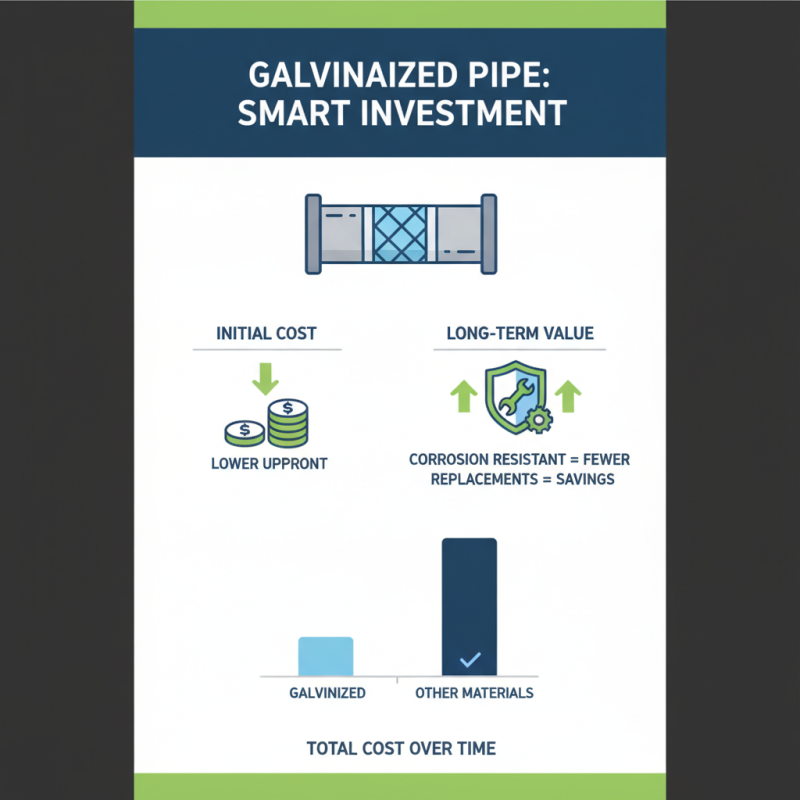
When considering construction materials, galvanized pipe stands out for its cost-effectiveness. It often costs less upfront compared to other options. This can lower initial project budgets. However, the true financial benefits extend beyond the purchase price. Galvanized pipes resist corrosion, leading to fewer replacements over time. This durability translates to long-term savings.
Maintenance costs can also be minimized. Unlike other pipes, galvanized options do not require frequent inspections or treatments. This can be appealing for larger projects with tight budgets. However, it's essential to consider the environment where the pipes will be used. In extremely corrosive conditions, their longevity may still be challenged. Assessing local conditions is crucial for financial calculations.
Another factor to ponder is installation. While workers usually find galvanized pipes easy to handle, learning curves may exist. Proper training can mitigate potential mistakes. These pipes may not always be the lightest choice, leading to higher labor costs in some cases. Thoughtful planning can help address these concerns and maximize the economic advantages.
Applications of Galvanized Pipe in Various Construction Scenarios
Galvanized pipes are widely used in
various construction scenarios. These pipes are covered with a protective zinc layer that prevents rust.
They are commonly found in water supply systems, as their durability ensures long-term reliability.
In outdoor settings, galvanized pipes resist corrosion, making them ideal for fencing and guardrails.
They withstand harsh weather conditions effectively.
When using galvanized pipes, consider the environment.
In areas with high humidity, you may need additional protection. Regular inspection is necessary.
Look for signs of wear and tear. If rust appears,
it could compromise the pipe's strength. Always use quality materials for joints and fittings.
This ensures a tight seal and prevents leaks.
Additionally, galvanized pipes serve well in agriculture.
They can transport water for irrigation systems.
Farmers appreciate their longevity. However, be aware that certain chemicals can lead to quicker deterioration.
It's essential to balance cost and performance.
Remember to maintain proper water pressure; too high can damage the pipes.