What is Stainless Steel Plate and its Common Uses?
Stainless Steel Plate is a versatile material known for its strength and durability. It is widely used in various industries, including construction, automotive, and food processing. The surface of stainless steel resists corrosion, making it suitable for harsh environments.
In manufacturing, Stainless Steel Plate plays a crucial role. It forms the backbone of many structures. Companies often rely on its robustness to ensure safety and longevity. However, not all stainless steel plates are created equal. The quality can vary, leading to potential issues in performance.
Common uses include kitchen equipment, tanks, and architectural elements. While it is favored, one must consider its cost and weight. Some applications might find alternatives more efficient. Reflecting on these factors helps in making informed choices.
What is Stainless Steel Plate?
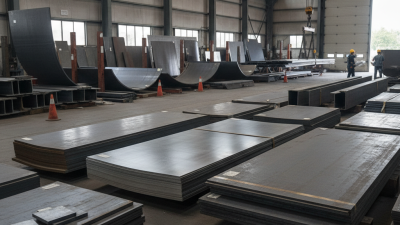
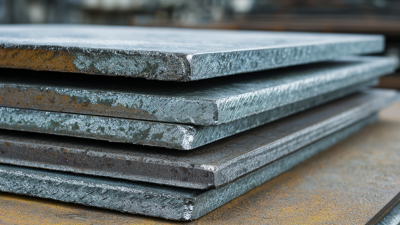
Stainless steel plates are versatile materials widely used in construction and manufacturing. These plates are crafted from iron, chromium, and other elements. The chromium content gives the plates their resistance to rust and corrosion. This feature is vital in various environments, especially those exposed to moisture.
The size and thickness of stainless steel plates can vary significantly. Some are thin, suitable for appliances, while others are thick, used in heavy machinery. They can be found in kitchens, medical facilities, and even skyscrapers. The aesthetic appeal of polished stainless steel adds elegance to structures. However, it's important to note that it can be challenging to work with due to its toughness. Cutting or welding stainless steel requires specialized skills and tools.
While stainless steel plates offer excellent durability, they may not be suitable for every application. Cost is a significant factor; they are usually more expensive than other metals. Sometimes, using them may lead to budget constraints. Understanding when to choose stainless steel over other materials is crucial. Analyzing the project requirements is essential to avoid unnecessary expenses.
Composition and Properties of Stainless Steel Plate
Stainless steel plate consists mainly of iron, chromium, and nickel. These elements give it unique properties. The chromium content, typically around 10.5%, creates a protective layer against corrosion. Nickel adds strength and improves formability. According to industry reports, stainless steel plates are highly resistant to rust, making them ideal for various applications.
Stainless steel plates are widely used in industries such as construction, automotive, and food processing. Their durability and aesthetic appeal make them popular for kitchen appliances and countertops. In construction, they often serve as structural components. The aerospace sector also benefits from stainless steel plates due to their high strength-to-weight ratio.
Tips: When selecting stainless steel plates, consider the specific grade for your project. Different grades offer various resistance to corrosion. Always consult technical data sheets to ensure you make an informed decision. Keep in mind that while stainless steel is durable, improper care can lead to staining or corrosion. Regular maintenance is essential to preserve its quality.
Common Manufacturing Processes for Stainless Steel Plates
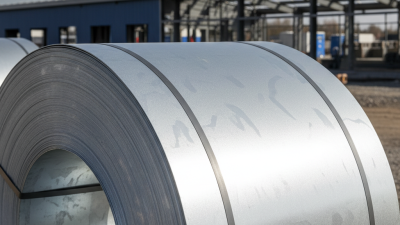
Stainless steel plates are known for their durability and versatility. The manufacturing processes behind these plates vary, impacting their quality and application. The most common methods include hot rolling, cold rolling, and shearing. Hot rolling is a widely used process that involves heating the steel above its recrystallization temperature. This method improves the material's ductility and reduces its strength, allowing for easier shaping.
Cold rolling, on the other hand, involves working the steel at or near room temperature. This method enhances the finish and mechanical properties of the steel. According to industry reports, cold-rolled stainless steel plates typically exhibit improved strength and better surface quality, making them ideal for applications in the food industry and architectural design. Yet, the cold rolling process can also lead to warping, requiring careful handling and additional finishing steps.
Shearing is another production technique which involves cutting the stainless steel into desired sizes. It's efficient but may result in rough edges that need further finishing. This can lead to increased production time and costs. Understanding these processes is essential for industries like construction and automotive, where precision is critical. Overall, while each method has strengths, they also come with challenges that manufacturers must navigate.
What is Stainless Steel Plate and its Common Uses?
| Property |
Description |
Common Uses |
| Corrosion Resistance |
Stainless steel plates provide excellent resistance to corrosion in various environments. |
Marine applications, chemical processing equipment. |
| Strength |
High tensile strength allows stainless steel plates to be used in structural applications. |
Construction, automotive parts, pressure vessels. |
| Hygienic Properties |
Easy to clean and maintain, making them suitable for sanitary applications. |
Food processing, pharmaceutical industries, kitchens. |
| Aesthetic Appeal |
Polished stainless steel provides a modern and attractive appearance. |
Architectural features, design elements, appliances. |
| Variety of Grades |
Different grades offer tailored properties for specific applications. |
Manufacturing of specific components, structural fabrication. |
Applications of Stainless Steel Plates in Various Industries
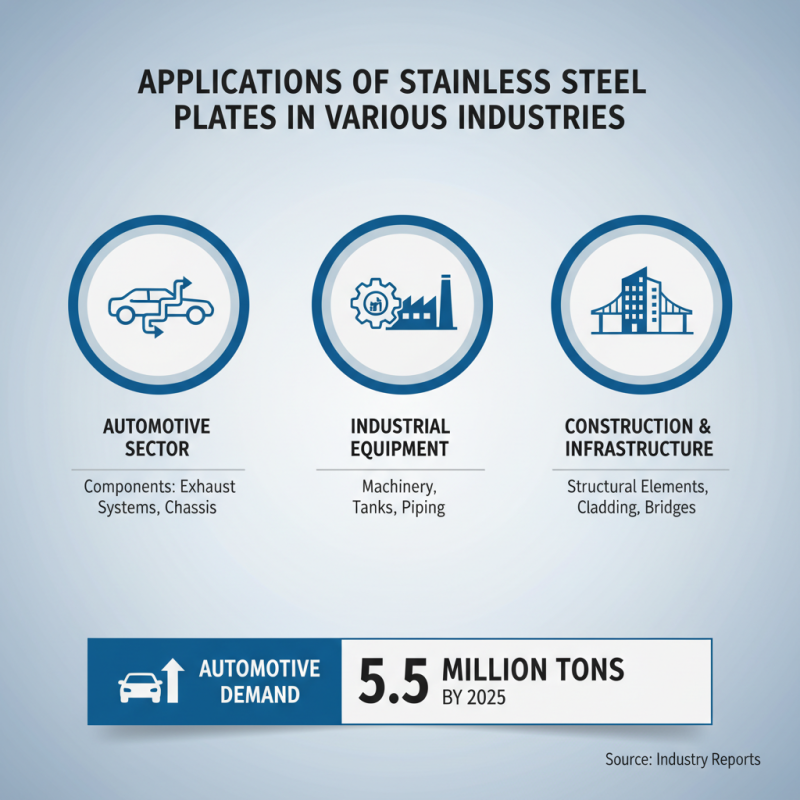
Stainless steel plates are vital across many industries due to their corrosion resistance and durability. The automotive sector increasingly relies on these plates for manufacturing components like exhaust systems and chassis. The market for stainless steel in automotive applications is projected to reach 5.5 million tons by 2025, according to industry reports. This growing demand reflects the push for lightweight materials that do not compromise strength or safety.
In construction, stainless steel plates serve in structural applications such as beams and columns. Their resistance to rust makes them suitable for both indoor and outdoor use. The global construction industry uses around 12% of the stainless steel produced each year. However, the reliance on stainless steel isn't without challenges. Supply chain issues and fluctuating raw material costs may impact availability and pricing in the future.
Additionally, the food and beverage industry values stainless steel plates for their hygienic properties. They can withstand high temperatures and are easy to clean, making them ideal for processing equipment. Studies suggest that 50% of food processing plants will upgrade to stainless steel in the next decade. Yet, the initial investment can be a barrier for smaller companies trying to meet these standards. This raises questions about accessibility and sustainability in production practices.
Advantages of Using Stainless Steel Plates in Construction and Design
Stainless steel plates are widely recognized for their strength and versatility. In construction and design, they offer several advantages. Their resistance to corrosion makes them ideal for outdoor applications. Structures exposed to harsh weather benefit significantly from this feature. They remain visually appealing over time, reducing the need for frequent maintenance, which is cost-effective.
Another advantage is their aesthetic quality. Stainless steel plates provide a sleek, modern look. They are often used in interior design, enhancing spaces like kitchens and offices. The reflective surface can create illusions of space and light. However, it can also show fingerprints easily, requiring periodic cleaning.
In terms of durability, these plates withstand heavy loads and vibrations. This makes them suitable for structural components. Yet, their weight can pose challenges during installation. Careful planning is essential to manage this issue. While stainless steel plates are a smart choice, understanding their limitations is important for effective implementation.