Top Steel Pipe Types for Industrial and Commercial Use?
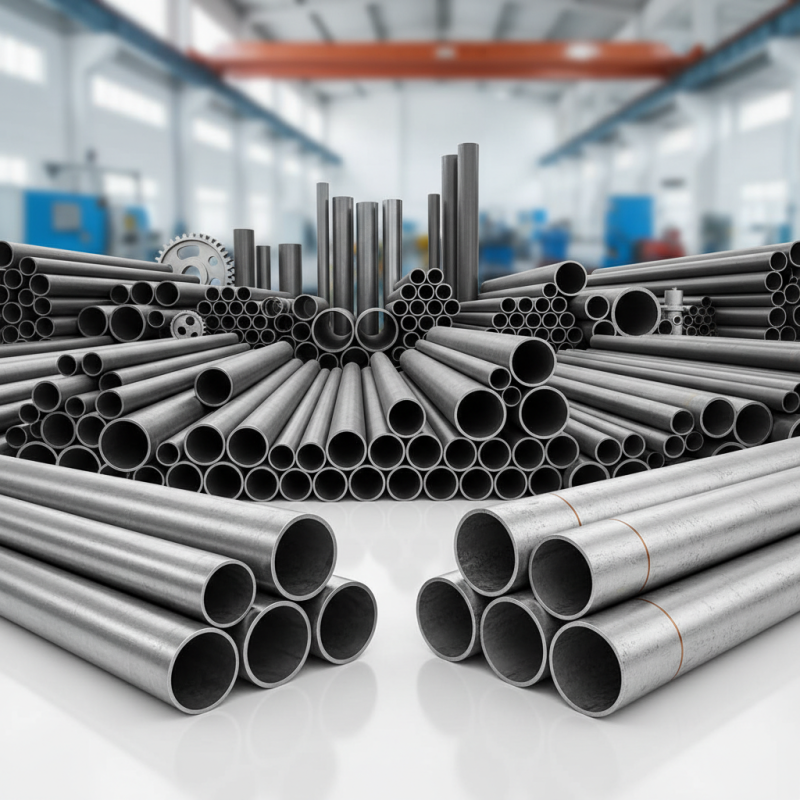
Steel pipes are essential components in many industrial and commercial applications. They offer durability, strength, and versatility. Different projects often require specific types of steel pipes to meet unique needs. Understanding these types can help you make informed decisions.
Common types of steel pipe include seamless and welded options. Seamless pipes have no joints, making them stronger. Welded pipes, however, are more cost-effective and easier to produce. It’s crucial to evaluate your project's requirements when choosing between these two.
Each type has its pros and cons. The right steel pipe can improve efficiency and safety. However, selecting the wrong type may lead to issues down the line. Consider factors like pressure ratings, material grade, and intended use. Making the right choice is vital for success.
Types of Steel Pipes: Understanding Their Applications in Industry
Steel pipes play a crucial role in various industries, including construction, oil and gas, and manufacturing. Their types differ in size, thickness, and chemical properties. Carbon steel pipes are commonly used due to their strength and affordability. They are ideal for transporting fluids and gases. Stainless steel pipes offer resistance to corrosion and high temperatures. These pipes find use in food processing and pharmaceuticals.
Galvanized steel pipes are coated to prevent rust. They are frequently used for water supply lines. According to industry reports, the demand for stainless steel pipes is projected to grow by 5% annually, driven by increased applications in various sectors.
Tip: When selecting a pipe type, consider the environment. Will it face moisture or high temperatures? The right choice prevents costly leaks and replacements.
Additionally, the wall thickness of the pipe affects its durability. Standard and heavy-duty options exist for different applications. A recent study highlighted that 30% of pipe failures stem from improper thickness selection. Be mindful and consult standards and guidelines during the buying process.
Structural Steel Pipes: Specifications and Use Cases in Construction
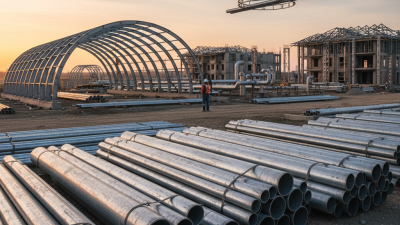
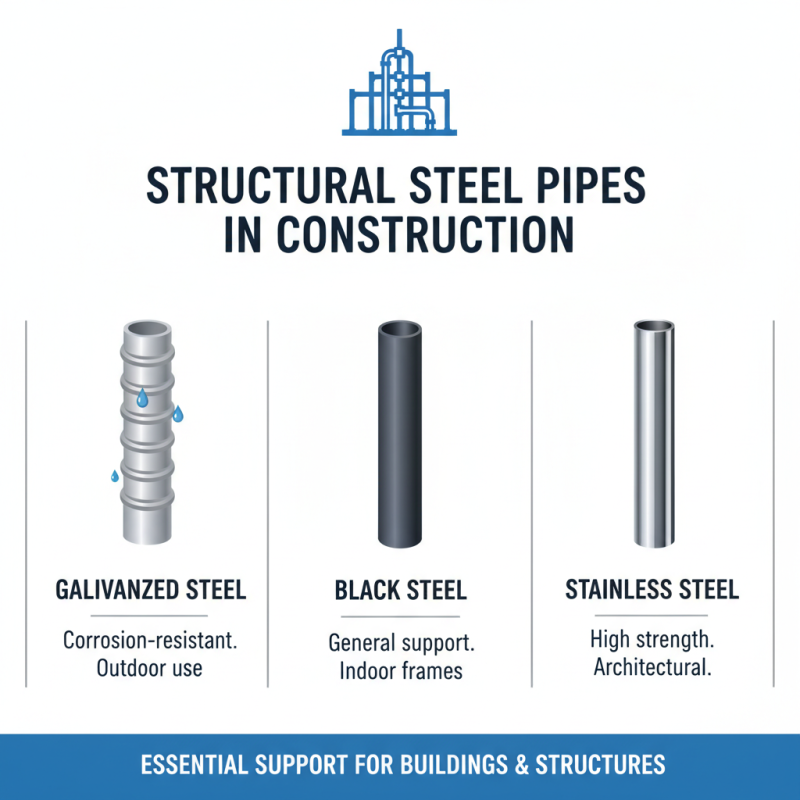
Structural steel pipes play a vital role in construction. They provide essential support for buildings and various structures. Common types include galvanized, black, and stainless steel pipes. Each type has unique attributes suited for specific applications. For example, galvanized pipes resist corrosion, making them ideal for outdoor projects.
In large-scale construction, ensuring proper specifications is key. These pipes must meet industry standards for durability and strength. Their dimensions and thickness determine their load-bearing capacity. Flaws in construction planning can lead to project setbacks. A miscalculation in pipe dimensions might compromise structural integrity.
Installation requires precise handling. The alignment of pipes is crucial for stability. Workers often face challenges in harsh conditions. Poor weather can slow down the process. This is where experience and training matter. Ensuring safety while working with heavy materials is non-negotiable. Addressing these details can significantly impact the quality of the construction. Often, careful planning reveals areas for improvement.
API vs. ASTM: Standards for Oil and Gas Steel Pipe Production
When it comes to steel pipes for oil and gas production, standards matter. Two key standards are API (American Petroleum Institute) and ASTM (American Society for Testing and Materials). Both sets of standards provide guidelines for the quality and performance of steel pipes. API focuses more on the oil and gas sector, while ASTM covers a broader range of materials and applications.
API standards often specify rigorous testing and certification processes. This ensures the pipes can withstand high pressures and harsh environments. ASTM standards also focus on chemical composition and mechanical properties. They provide a great level of detail for a variety of industries, including construction and manufacturing.
Tips: Look for the appropriate grade of steel pipe based on your project. Always review the specifications closely. Sometimes, what works for one application may not hold up in another.
In reflecting on these standards, it’s clear there might be gaps. Not every pipe that meets ASTM or API is perfect for every job. It's important to conduct real-world tests, especially in challenging environments. Doing so helps avoid costly failures down the line. Always be vigilant; standards are crucial, but practical experience can’t be overlooked.
Comparative Analysis of Seamless and Welded Steel Pipes
When evaluating steel pipes for industrial and commercial usage, seamless and welded steel pipes stand out. Seamless pipes are made from a solid block of steel. They offer higher strength and durability. These pipes have no seams, which reduces the risk of leaks. Their uniform structure makes them ideal for high-pressure applications. However, they can be more expensive to produce.
Welded steel pipes, on the other hand, are created by rolling steel sheets and welding the edges. This process allows for quicker production. They are generally lighter and less costly than seamless pipes. Yet, they are more susceptible to weak points at the weld seams. It’s crucial to inspect these areas for integrity. Over time, the welded joints may require more attention. This can lead to additional maintenance costs.
Choosing between seamless and welded pipes requires careful consideration. Each type has its strengths and weaknesses. While seamless pipes provide reliability in demanding environments, welded pipes offer economic advantages. The decision should align with the specific needs of your project. Evaluating long-term costs versus immediate installation expenses is key.
Top Steel Pipe Types for Industrial and Commercial Use
Corrosion Resistance in Steel Pipes: Choosing the Right Coating for Longevity
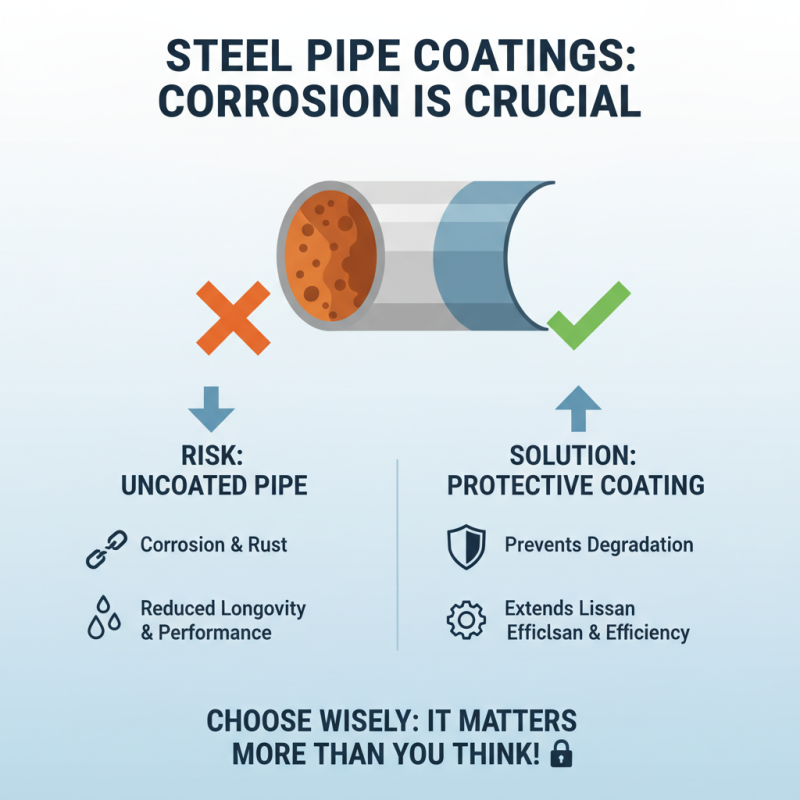
When it comes to selecting steel pipes, the choice of coating is crucial. Corrosion resistance is a top priority. Corrosion can severely impact the longevity and performance of pipes. Selecting the right coating can prevent rust and degradation. This choice is more important than many realize.
Common coatings include galvanization and epoxy. Galvanization involves applying a zinc layer. This layer acts as a barrier against moisture. Epoxy coatings can provide a strong, protective finish. However, the application process has its challenges. Not all environments are conducive to these coatings. For instance, extreme temperatures can affect adhesion. Finding the right solution is essential for lasting performance.
It's also important to consider maintenance aspects. Regular inspections can help identify issues early. Even with protective coatings, wear and tear may occur. In some cases, re-coating might be necessary. Being proactive can save costs in the long run. Each choice carries its own set of trade-offs. Being aware of them helps in making informed decisions.