Why is Structural Steel Essential in Modern Construction?
In the realm of modern construction, Structural Steel stands out as a pivotal material. A report by the American Institute of Steel Construction indicates that more than 80% of commercial buildings utilize structural steel. This statistic underscores its growing significance in the industry. An expert in the field, Dr. Emily Thornton, emphasizes its role: "Structural steel provides unmatched strength and versatility, essential for innovative designs."
However, challenges remain. The production process for structural steel can be energy-intensive, raising concerns about sustainability. Additionally, the fluctuating prices of raw materials can impact overall project budgets. These complexities reflect the need for ongoing innovation and critical evaluation in the use of structural steel. As the industry evolves, finding a balance between performance and environmental impact is crucial.
A focus on Structural Steel may lead to advancements in technology. The potential for reducing carbon footprints through new manufacturing techniques is promising. Yet, there is always a need for reflection on best practices. Continuous improvement in this essential material will shape the future of construction.
What is Structural Steel and Its Properties in Construction?
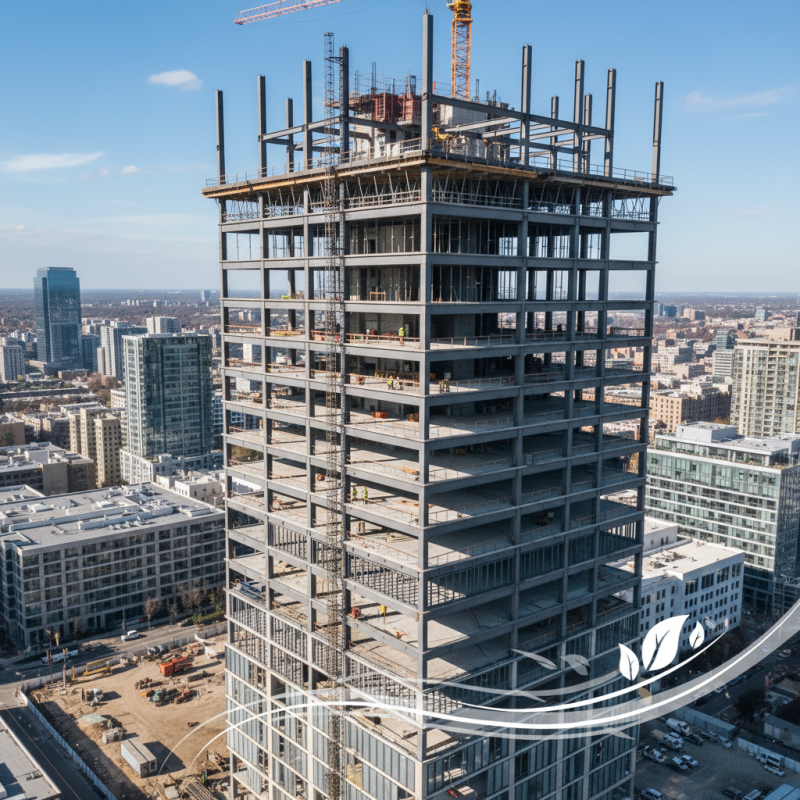
Structural steel is a fundamental component in modern construction. It refers to steel shapes and sections used to support a building's structure. The properties of structural steel make it incredibly versatile. Its high strength-to-weight ratio allows for lighter frameworks, which can reduce foundation sizes and costs. A report by the American Institute of Steel Construction states that structural steel can be up to five times stronger than traditional materials like wood or concrete.
Additionally, structural steel is highly durable. Its resistance to environmental factors is significant. Unlike wood, it does not warp or rot. This longevity is an attractive feature for builders and architects. The Fire Protection Research Foundation notes that with proper treatments, steel can withstand extreme temperatures. However, steel structures require regular inspections and maintenance to prevent corrosion.
The ease of fabrication and construction is another benefit. Structural steel is pre-engineered and can be fabricated offsite, leading to faster construction times. According to the National Institute of Standards and Technology, this efficiency can decrease project timelines by up to 30%. Despite these advantages, there are challenges. The initial material cost can be high, and certain design limitations exist. Understanding these factors is crucial in modern construction planning.
The Historical Evolution of Structural Steel in Modern Architecture
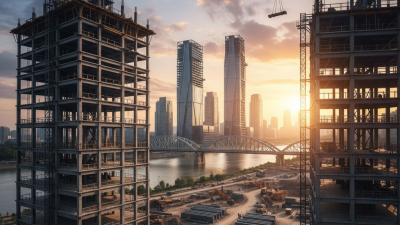
The journey of structural steel in modern architecture illustrates a fascinating evolution. Originally used in the late 19th century, it transformed building methods. The skyscrapers of Chicago showcased its strength and flexibility. This new material allowed architects to redefine urban landscapes.
As technology progressed, so did the applications of structural steel. The invention of the steel frame revolutionized design possibilities. Structures became taller and more intricate. Yet, issues arose — the need for fireproofing and corrosion resistance became critical concerns. Designs sometimes overlooked these factors.
Despite its challenges, structural steel remains crucial in today’s construction. It offers durability and adaptability. Large open spaces can now be created without compromising stability. Architects continually explore its limits, pushing boundaries and questioning traditional notions. This ongoing evolution fuels innovation and creativity in modern architecture.
Usage of Structural Steel in Modern Construction (2010-2020)
This chart represents the increasing use of structural steel in modern construction over the years, highlighting its significance in various architectural projects.
Key Advantages of Using Structural Steel in Construction Projects
Structural steel plays a vital role in modern construction. Its strength-to-weight ratio is exceptional. This makes it easier to span large distances without the need for excessive support. Buildings can rise higher and wider. Steel can bear heavy loads while remaining lightweight.
The speed of construction is another advantage. Steel parts are often pre-fabricated. This allows for quicker assembly on-site, minimizing labor costs. Time savings can be significant compared to traditional materials. Moreover, steel is highly durable. It withstands harsh weather conditions and resists fire and pests.
However, the use of structural steel isn't without challenges. Welding and bolting methods need precise execution. Misalignment can lead to structural issues. Environmental concerns also arise. Steel production is energy-intensive and generates emissions. Yet, its recyclability can offset these environmental impacts. Striking a balance between efficiency and sustainability remains a critical conversation in the industry.
Why is Structural Steel Essential in Modern Construction? - Key Advantages of Using Structural Steel in Construction Projects
| Advantage |
Description |
Impact on Construction |
| Durability |
Structural steel is resistant to many environmental factors including corrosion and rust. |
Reduces maintenance costs and extends the life of structures. |
| High Strength-to-Weight Ratio |
Structural steel can bear heavier loads while being lighter than other materials. |
Allows for more flexible designs and reduces overall building weight. |
| Speed of Construction |
Prefabricated steel sections are quick to assemble on site. |
Shortens project timelines and reduces overall labor costs. |
| Sustainability |
Steel is recyclable and can be reused in new construction projects. |
Minimizes waste and supports green building initiatives. |
| Fire Resistance |
Steel structures can be treated for enhanced fire resistance. |
Increases the safety of the building and can lower insurance costs. |
Common Applications of Structural Steel in Various Building Types
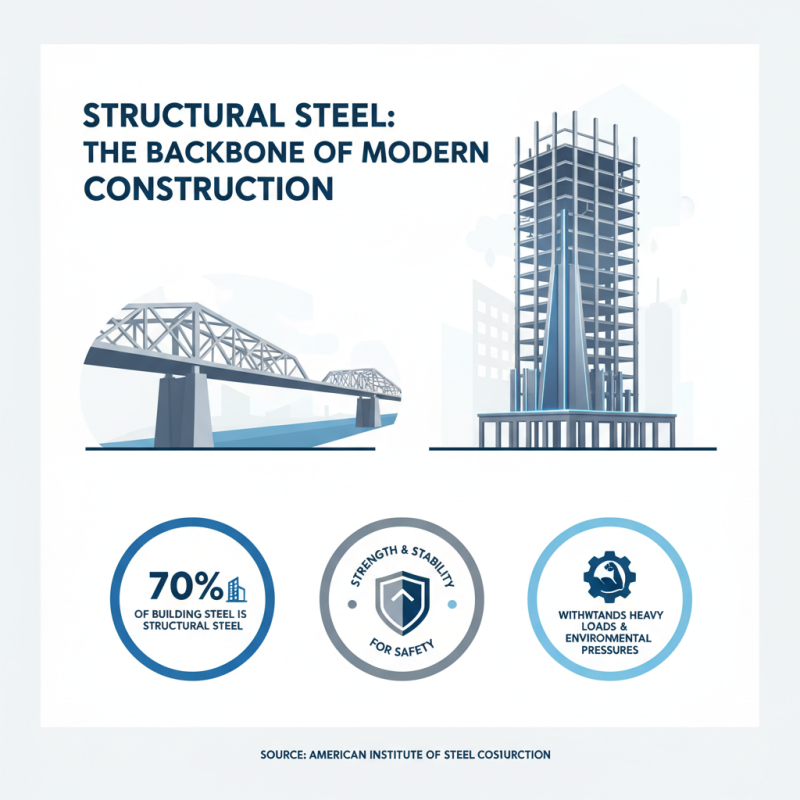
Structural steel is a vital element in modern construction. Its strength ensures safety and stability in skyscrapers and bridges. According to a report by the American Institute of Steel Construction, around 70% of the steel used in buildings is structural steel. This material is essential for creating robust frameworks that withstand heavy loads and resist various environmental pressures.
In residential buildings, structural steel plays a key role. It supports open floor plans, giving designers flexibility. The use of steel allows larger windows and spacious interiors, enhancing natural light. In commercial buildings, steel frames can be completed quickly. This speed can reduce overall construction costs. According to industry data, projects using structural steel can achieve up to 30% faster completion times.
However, challenges remain. Corrosion protection is a critical concern in different climates. Some projects struggle with budget constraints, impacting material choices. Moreover, the carbon footprint of steel production needs addressing. Sustainable practices are increasingly necessary. Developers are urged to explore eco-friendly alternatives, yet the dependence on structural steel persists. It's a balancing act between efficiency and sustainability.
Environmental Impact and Sustainability of Structural Steel Usage
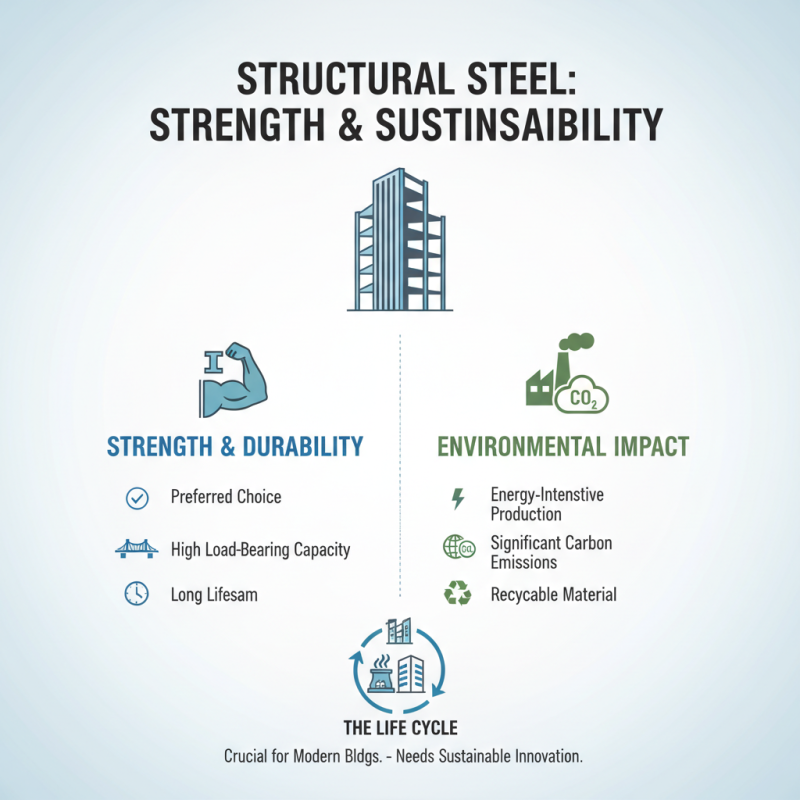
Structural steel plays a vital role in modern construction. Its strength and durability make it a preferred choice for many buildings. However, its environmental impact is a topic of great concern. The production of structural steel often involves energy-intensive processes. These processes can lead to significant carbon emissions. Therefore, understanding its sustainability is crucial.
Using recycled steel is one way to reduce the ecological footprint. Approximately 90% of structural steel can be recycled. This reduces the need for new raw materials. It also lowers energy consumption in production. Despite these benefits, challenges remain. Not all steel used in construction is recycled. Some are extracted from mines, causing habitat destruction. This raises questions about our building choices.
Moreover, the lifecycle of structural steel must be considered. While it lasts a long time, the dismantling process also requires attention. It is essential to raise awareness about responsible practices. Architects and builders must weigh long-term effects against short-term gains. Investing in sustainable options can lead to a healthier environment. Our choices today shape the skyline of tomorrow.