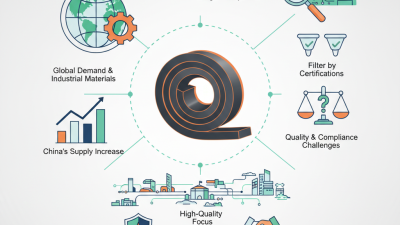
China remains a major sourcing hub for Cold Rolled Sheet, serving construction, automotive, appliance, and precision fabrication markets. Global buyers can find competitive pricing and broad production capacity. However, factory selection requires more than comparing quotations.
Steel industry leader Lakshmi Mittal once said, “Steel is the backbone of our society.” That simple observation explains why material consistency matters. A reliable manufacturer should demonstrate stable thickness tolerance, controlled surface finish, accurate coil width, and dependable mechanical properties. Buyers should request mill test certificates, inspection records, production photographs, and relevant ISO 9001 documentation. Standards such as GB/T 5213, EN 10130, and ASTM A1008 may also guide technical comparisons.
Real purchasing experience shows that the lowest offer is rarely the complete answer. Packaging quality, export handling, minimum order quantities, and replacement procedures can affect the final cost. Some suppliers communicate quickly but provide weak technical documents. Others offer excellent quality but lack flexible delivery schedules. No shortlist is perfect.
This guide examines leading Chinese Cold Rolled Sheet manufacturers through practical criteria. These include production capacity, coating or annealing capabilities, product range, quality control, export experience, and customer support. Buyers should also check whether the supplier can maintain consistent results across repeated orders. A sample may look excellent. The larger shipment may tell a different story. Careful verification remains essential before signing a long-term agreement.

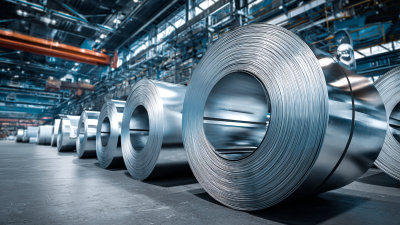
Cold rolled sheet steel begins as hot rolled coil, then passes through rollers at room temperature. This reduces thickness and improves dimensional control. The surface often looks smoother and more uniform, with clean edges suited to painted panels, cabinets, and appliance housings. It is not simply “stronger” steel. Grade, gauge, and processing determine performance.
The World Steel Association reported global crude steel production of 1,892.2 million tonnes in 2023, showing the scale of the industry behind sheet supply. That figure does not guarantee consistent sheet quality. Buyers should check the applicable grade standard, thickness tolerance, surface finish, and mechanical test results. ASTM A1008, for example, covers several cold-rolled carbon steel sheet grades, including drawing-quality options. Small differences matter. A thin sheet may form neatly in a shallow bend but wrinkle around a tight draw. I have seen specifications focus on tensile strength while overlooking surface defects that become obvious after painting. That is easy to miss. Request mill test certificates and confirm sample performance against the actual forming process, not just a catalog description.
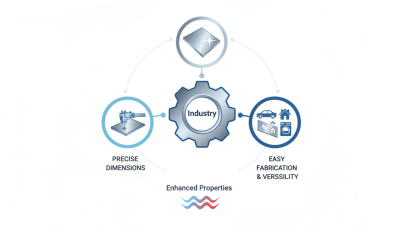
Chinese cold-rolled sheet production typically starts with hot-rolled coil, which is pickled to remove surface scale. The strip then passes through cold-reduction stands, where rollers control thickness and surface finish. Annealing softens the steel after rolling; temper rolling can improve flatness and texture. Small process variations matter. Buyers should request actual thickness, width, hardness, and surface-finish results, not just a catalogue range.
Certification should connect the coil to its test records. Ask for a mill test certificate showing grade, heat number, chemistry, and mechanical properties, and verify that the numbers match the supplied batch. ISO 6892-1 describes tensile testing of metallic materials, while product requirements may follow standards such as EN 10130 or ASTM A1008. The World Steel Association’s 2024 Short Range Outlook projected global steel demand at about 1.75 billion tonnes for 2024, underscoring the scale of a market where traceability can be overlooked. A certificate alone is not proof of consistent production. Request inspection records and clarify sampling methods; independent checks can help, though they add time and cost. Even careful buyers sometimes miss this detail.
| Evaluation Dimension | Common Industry Practice | What Global Buyers Should Verify |
|---|---|---|
| Raw material | Cold rolling commonly starts with hot-rolled, pickled steel coils. The incoming substrate grade and condition influence the final sheet’s formability, surface quality, and mechanical properties. | Request the substrate grade, coil identification, incoming inspection records, and traceability from the raw coil to the finished package. |
| Cold-reduction process | Steel passes through a cold-rolling mill to reduce thickness and improve dimensional accuracy and surface finish. Reduction schedules and equipment vary by mill and product specification. | Confirm the ordered thickness, width, tolerances, rolling route, and inspection method in the purchase specification. |
| Annealing and temper rolling | Annealing may be used to restore ductility after rolling. A subsequent skin pass or temper rolling can help control shape, surface texture, and mechanical properties. | Specify the required condition and properties, such as annealed or skin-passed material, hardness or tensile requirements, and surface expectations. |
| Common product grades and standards | Cold-rolled sheet may be produced to standards such as China’s GB/T 5213, Europe’s EN 10130, or ASTM A1008/A1008M. Grade designations and requirements are not automatically interchangeable. | State the governing standard and exact grade in the contract. Review the applicable edition and agree on any additional requirements before production. |
| Dimensional and surface inspection | Inspection commonly covers thickness, width, flatness, surface condition, and packaging condition. The specified limits and sampling plan depend on the order and applicable standard. | Ask for inspection criteria, measurement methods, sampling frequency, and acceptance limits. Confirm whether surface defects are assessed under an agreed reference standard or sample. |
| Mechanical and chemical testing | Depending on the grade and order, testing can include tensile properties, hardness, and chemical composition. Requirements differ by standard and product application. | Request a material test certificate linked to the coil or batch, with results reported against the agreed specification. |
| Quality-management certification | Some production sites operate certified quality-management systems, such as ISO 9001. Certification status and scope are specific to the certified legal entity and site. | Check the current certificate, issuing body, validity dates, site address, and whether its scope covers the relevant steel products or manufacturing activities. |
| Automotive-sector requirements | IATF 16949 is an automotive quality-management standard; it is not a universal requirement for cold-rolled sheet production and does not replace product testing or customer approval. | If required for an automotive program, verify the current certificate and its site and scope, and confirm any additional customer-specific approval requirements. |
| Export packaging and identification | Sheets and coils are commonly protected with packaging selected for the transport route and handling method. Package markings can identify grade, dimensions, coil or batch number, and weight. | Agree on moisture protection, edge protection, lifting method, marking language, package limits, and traceability details before shipment. |
| Shipment documentation | Export orders commonly require commercial and transport documents, with product-specific records such as packing lists and material test certificates as agreed. | Confirm document format, consignee details, certificate requirements, shipment terms, and document submission deadlines in the purchase order. |
Buyer note: Capabilities, certificates, test methods, and tolerances vary by production site and order. Verify current documentation and agree on the applicable specification before placing an order.
China’s cold rolled sheet manufacturers serve automotive, appliance, construction, and precision engineering buyers worldwide. Their capabilities differ in more than monthly output. A reliable mill controls pickling, cold reduction, annealing, skin passing, and leveling. These steps shape surface quality, flatness, hardness, and forming performance. Experienced buyers inspect coil edges, oil consistency, and packaging before approving a supplier. Small details matter.
Leading producers typically offer commercial-quality, drawing-quality, and high-strength grades. They can adjust thickness, width, coil weight, surface finish, and mechanical properties for specific applications. Modern lines use automated gauge control and inline inspection, but operators still influence results.
Ask for mill test certificates, dimensional records, surface photographs, and sample data from the same production route. A serious manufacturer should explain tolerance limits clearly. Vague promises create trouble.
Global buyers should also review export packing, moisture protection, loading methods, and delivery documentation. A supplier with regional experience may understand container limits and port handling better. Yet capability claims need practical verification. Request a trial coil, test forming behavior, and compare results with your drawings. No factory is perfect; occasional scratches, camber, or delayed feedback can appear. What matters is traceable correction, honest communication, and repeatable improvement. That standard separates dependable partnerships from attractive quotations.
Global buyers comparing cold rolled sheet manufacturers in China should examine product range, quality, and production capacity together. A practical review begins with the intended application, not the supplier’s catalogue. Common options include commercial, drawing, and deep-drawing grades. Buyers should verify thickness, width, surface finish, hardness, and edge condition. Request recent mill test certificates and independent inspection records. Paperwork matters.
A broad product range can simplify sourcing, but it does not prove technical strength. Check whether the producer handles narrow gauges, customized sizes, and consistent surface requirements. Quality evidence includes chemical analysis, tensile results, dimensional records, and packaging photos. During a factory visit, inspect coil storage, rust protection, and labeling controls. Small discrepancies matter. I have found that visible cleanliness can mislead; process records usually reveal more.
Production capacity should mean reliable monthly output, not only impressive equipment. Ask for actual line capacity, average lead times, maintenance schedules, and recent export volumes. Confirm whether rolling, annealing, skin-pass treatment, and cutting occur under one quality system. A supplier may promise fast delivery during a quiet month, then struggle during peak demand. That gap deserves scrutiny. No checklist is perfect, so buyers should compare trial orders with later shipments before making long-term commitments.
Typical product-range benchmark: commercially available cold-rolled sheet thickness. Actual limits depend on the supplier, steel grade, and production line.
The approximately 0.15–3.0 mm range is a general market reference, not a ranking or a guarantee for any individual mill. Compare suppliers using confirmed grade standards, mill test certificates, available dimensions, and verified production capacity.
Global buyers evaluating Chinese cold rolled sheet manufacturers should begin with verifiable production evidence, not attractive quotations. The World Steel Association’s World Steel in Figures 2024 reports that China produced about 1,019 million tonnes of crude steel in 2023, representing roughly 54% of global output. Scale is significant, but it does not prove consistent cold rolled quality.
Request recent mill test certificates for each thickness and grade. Check yield strength, tensile strength, elongation, surface finish, and dimensional tolerance. Ask whether testing follows ASTM, EN, or GB/T requirements.
A practical audit should examine coil labels, warehouse humidity, edge protection, and sampling procedures. Small details matter.
They often reveal weak controls.
Buyers should compare three production lots, not one perfect sample. Review inspection records, coating or oiling methods, packaging photographs, and complaint-handling timelines. The International Organization for Standardization’s ISO 9001 framework can support supplier audits, but certification alone is not enough. Verify the certificate with the issuing body and inspect the actual facility.
Pricing needs equal caution. Freight, port handling, insurance, testing, and possible rework can change the landed cost sharply. Use a purchase contract with measurable tolerances, delivery milestones, payment safeguards, and an independent pre-shipment inspection. I would also request a small trial order before annual volume commitments. This adds time, admittedly, but one hidden surface defect can affect an entire stamping run. Statistics from the World Steel Association show China’s enormous steel capacity; buyers still need plant-level evidence, batch records, and responsive technical communication.