Top 10 Metal Coils Suppliers in China for Global Buyers?
In the ever-evolving world of manufacturing, finding reliable suppliers is crucial. Metal coils are essential materials for various industries, from automotive to construction. This article explores the top ten metal coils suppliers in China that cater to global buyers. Each supplier is evaluated based on experience, quality, and reliability.
China has emerged as a significant player in the global metal coils market. The demand for metal coils continues to rise, yet not all suppliers meet the necessary standards. Companies need partners they can trust to ensure product quality and consistency. Distinguishing between experienced suppliers and newcomers can be challenging.
Navigating this landscape requires thorough research and due diligence. This list aims to guide buyers in selecting suppliers that align with their needs while minimizing potential pitfalls. Understanding the intricacies of the market allows buyers to make informed choices. The right metal coils supplier can significantly impact production efficiency and overall success.
Overview of the Metal Coils Industry in China
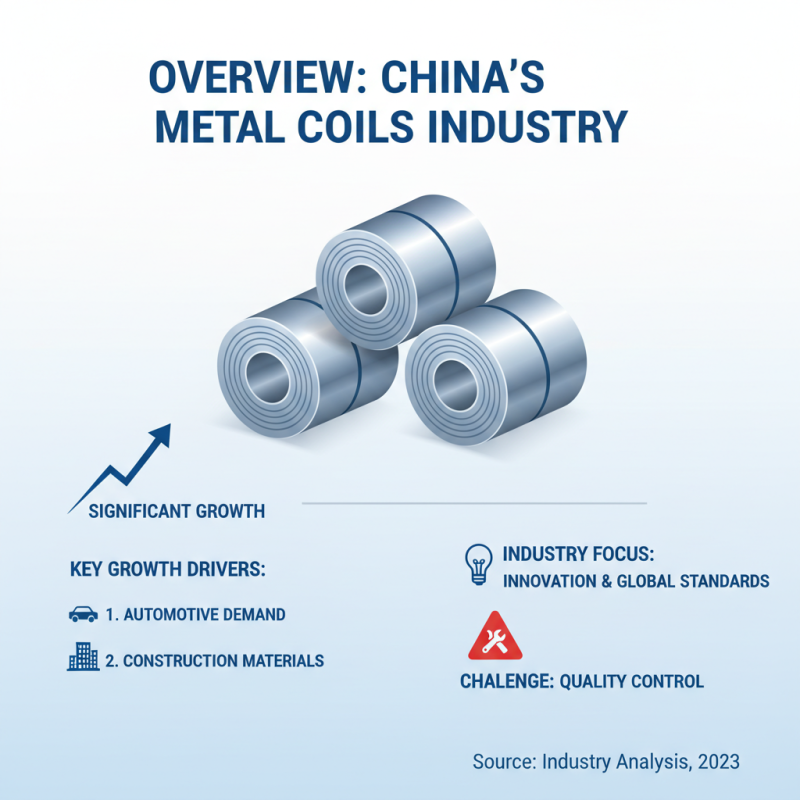
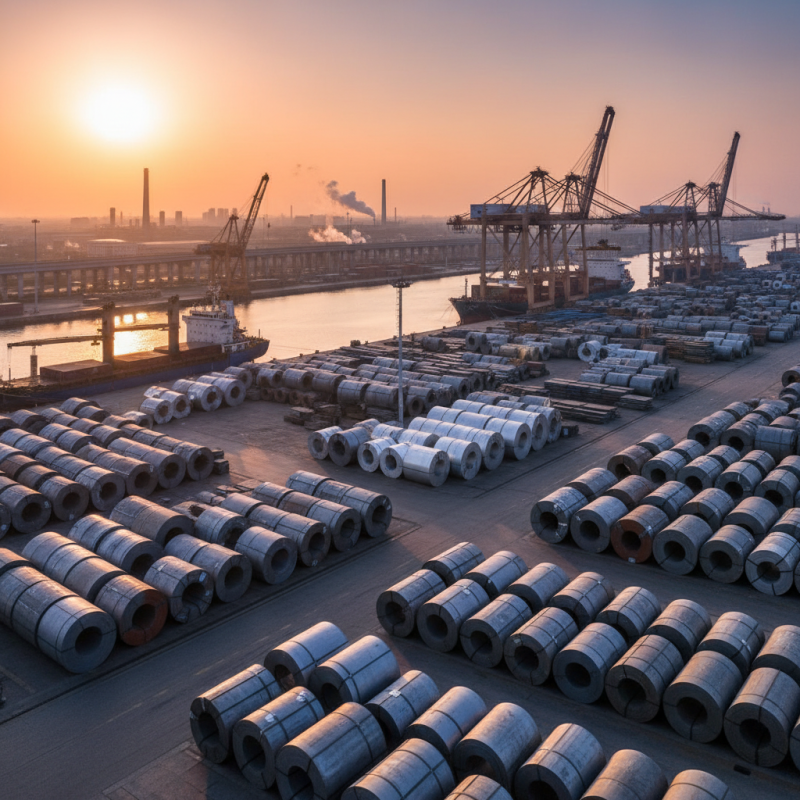
The metal coils industry in China has experienced significant growth. Various factors contribute to this expansion. Increased demand for automotive and construction materials drives production. Manufacturers continuously innovate to meet global standards. However, quality control remains a pressing issue.
In China, the metal coil market features a mix of small and large suppliers. Some focus on customization, while others offer standardized products. Buyers often face a challenge in verifying supplier reliability. Inconsistencies in product quality can lead to trust issues. Training and technology investments are crucial for many companies.
The market’s competitiveness pushes suppliers to enhance their services. Cost-effective solutions attract global buyers. Yet, fluctuating raw material prices create uncertainty. This volatility can impact order fulfillment and pricing strategies. Thus, buyers must carefully evaluate their choices.
Key Criteria for Selecting Metal Coils Suppliers
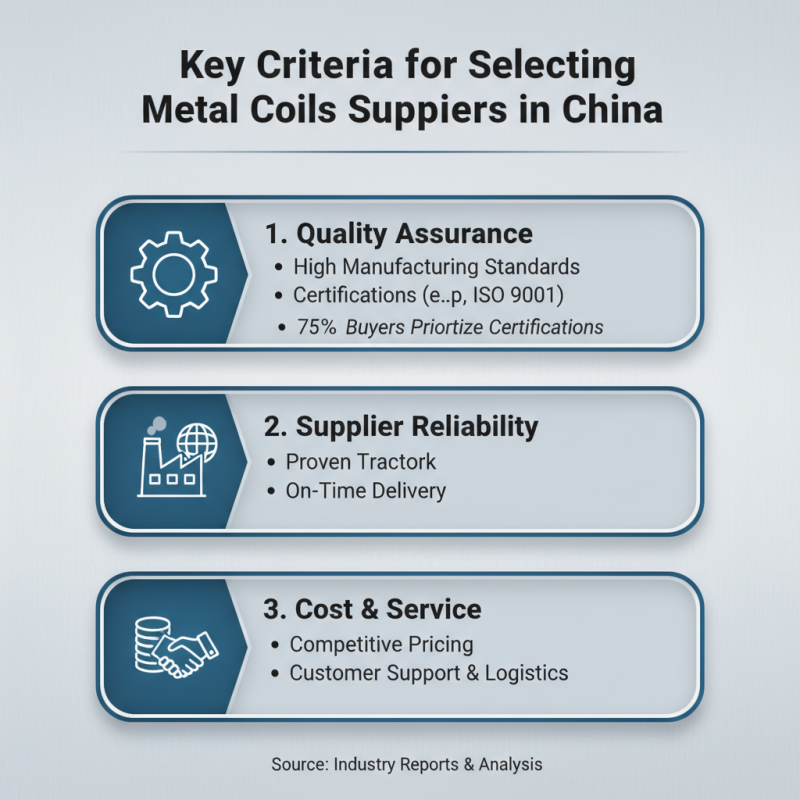
When selecting metal coil suppliers in China, several key criteria stand out. Quality assurance is vital. A supplier must demonstrate a commitment to high manufacturing standards. According to industry reports, over 75% of buyers prioritize certifications like ISO 9001. These standards assure that the products meet essential quality benchmarks.
Pricing can be another complex factor. Fluctuations in raw materials can affect coil costs significantly. A report from the Metal Industry Association reveals that price volatility impacts about 60% of global transactions. Buyers should consider not only the price but also the total cost of ownership, including shipping and handling fees. Transparency in pricing models is essential; hidden costs can lead to confusion and budget overruns.
Supplier reliability is crucial for establishing a sustainable partnership. A recent survey highlighted that 58% of companies experienced delays due to supplier inefficiencies. Evaluating a supplier's history, customer feedback, and performance metrics can mitigate risks. Collaboration and communication are important for addressing challenges. Regular reviews and open dialogue help build trust and improve service levels.
Top 10 Metal Coils Suppliers: A Detailed Profile
Metal coils are essential in various industries, from automotive to construction. In China, a significant rise in production capacity has been observed. According to the China Steel Association, the country's steel production capacity exceeded 1 billion tons in 2021. This surge has led to a robust supply chain for metal coils.
Among the leading suppliers, quality often varies. Some manufacturers focus on high-grade steel, while others aim for cost-effective solutions. This diversity can create challenges for global buyers. A report from Market Research Future indicates that proper supplier assessment is critical. Around 30% of businesses encounter issues related to product quality.
Certification and compliance are vital factors in supplier selection. Many companies overlook these aspects, risking delays and extra costs. Ensuring suppliers meet international standards can mitigate risks. Nevertheless, the vast number of suppliers in China can make these evaluations daunting. It highlights the need for thorough market research to find reliable partners.
Top 10 Metal Coils Suppliers in China for Global Buyers
| Rank |
Supplier Type |
Main Products |
Certification |
Annual Revenue (USD) |
Export Volume (%) |
| 1 |
Manufacturer |
Cold Rolled Coils |
ISO 9001 |
50 Million |
70% |
| 2 |
Wholesaler |
Hot Rolled Coils |
SGS |
30 Million |
80% |
| 3 |
Distributor |
Galvanized Coils |
CE |
20 Million |
60% |
| 4 |
Manufacturer |
Stainless Steel Coils |
ISO 14001 |
45 Million |
75% |
| 5 |
Wholesaler |
Aluminum Coils |
ISO 9001 |
25 Million |
65% |
| 6 |
Distributor |
Copper Coils |
CE |
15 Million |
50% |
| 7 |
Manufacturer |
Metal Alloy Coils |
ISO 9001 |
40 Million |
70% |
| 8 |
Wholesaler |
Carbon Steel Coils |
SGS |
35 Million |
85% |
| 9 |
Distributor |
Nickel Coils |
CE |
10 Million |
45% |
| 10 |
Manufacturer |
Titanium Coils |
ISO 14001 |
5 Million |
30% |
Comparative Analysis of Supplier Offerings and Capabilities
Metal coils play a crucial role in various industries, from automotive to construction. Global buyers often seek reliable suppliers in China, given the country's manufacturing strength. The offerings of these suppliers can differ significantly. Buyers need to evaluate product quality, production capacity, and technological advancements.
Some suppliers excel in specific types of metal coils. For example, some focus on stainless steel, while others specialize in aluminum or copper. This specialization can impact the availability and pricing of products. Additionally, not all suppliers have the same certifications, which can affect trust. Buyers should check for international standards and quality assurance processes to ensure reliability.
Communication can also pose a challenge. While many suppliers may promise quick turnaround times, actual performance may vary. Some may encounter delays due to logistics or production issues. It's essential for buyers to engage in detailed discussions to clarify expectations. A deeper understanding can mitigate risks and lead to better supplier relationships.
Top 10 Metal Coils Suppliers in China - Comparative Analysis
Logistics and Shipping Considerations for Global Buyers
When sourcing metal coils from China, logistics and shipping are crucial factors. Understanding the shipping process can save time and costs. Choose suppliers who have experience in international shipping. They should be familiar with customs regulations and required documentation. This will help avoid delays and unexpected charges.
Transportation modes vary. Air freight is faster but more expensive. Sea freight is cost-effective for large quantities but takes longer. Track shipments closely to ensure efficiency. Poor communication can lead to mismanagement and lost cargo. Always plan for potential disruptions, such as weather delays or port congestion.
Inspect shipments upon arrival. This critical step ensures that quality and specifications meet your standards. Document any discrepancies immediately. Developing strong relationships with logistics partners can smooth the shipping process. Misunderstandings can arise, but regular communication can mitigate issues. Stay informed and remain adaptable in your logistics strategy.