What are the Different Types of Steel Plate Uses and Benefits?
In the realm of construction and manufacturing, Steel Plate plays a vital role. Renowned industry expert David Carter once stated, "Steel Plates are the backbone of modern infrastructure." This statement captures the essence of Steel Plate's significance. Different types of Steel Plates serve various purposes across several industries.
From construction beams to shipbuilding, the uses are diverse. Each form of Steel Plate has specific benefits. For instance, carbon steel plates offer strength and affordability. On the other hand, stainless steel plates resist corrosion, extending their lifespan. However, choosing the right type requires careful consideration.
Industries often overlook specific details when selecting Steel Plates. A minor oversight can lead to structural issues. Understanding the distinct properties of each type ensures safety and durability. As the demand for Steel Plates grows, awareness around their applications and benefits remains crucial. Taking time to reflect on choices can lead to better outcomes in projects.
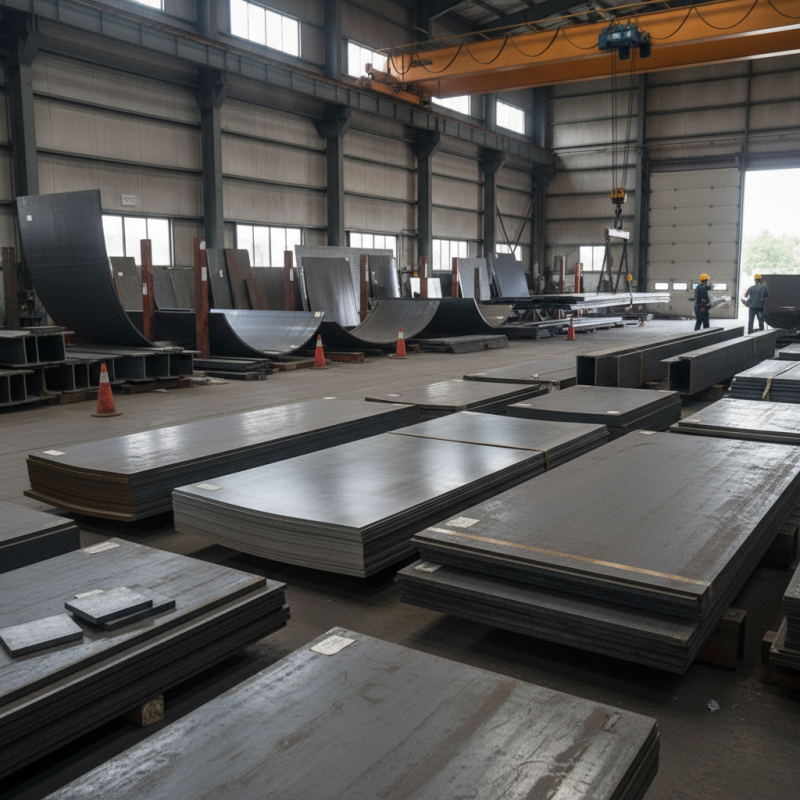
Types of Steel Plates: An Overview of Varieties and Their Applications
Steel plates come in various types, each serving unique applications across industries. The most common types include
structural plates, carbon plates, and alloy plates.
Structural steel plates are often used in building construction. They provide strength and durability.
According to a recent industry report, the global market for structural steel is expected to reach $150 billion by 2025, driven by rising urbanization and infrastructure projects.
Carbon steel plates are versatile and cost-effective. They find their place in shipping, automotive, and industrial machinery.
The World Steel Association reports that carbon steel constitutes nearly 90% of all steel production.
Alloy plates, enriched with elements like nickel and chrome, enhance corrosion resistance and strength. These plates are essential in oil and gas industries.
Their remarkable qualities are vital for pumping systems and pipelines.
Yet, challenges exist. Many companies struggle to determine the right type of steel plate for their specific needs.
This could lead to improper usage, impacting overall project quality. Additionally, sourcing high-quality steel at a competitive price remains a persistent issue for manufacturers.
Understanding the various steel plate types and their applications is crucial for optimizing performance and minimizing costs.
Common Uses of Steel Plates in Construction and Infrastructure Projects
Steel plates are essential in construction and infrastructure projects. They provide
strength and durability. According to industry reports,
steel plates account for about 25% of all steel used in construction.
Their versatility makes them suitable for various applications, such as
bridges, buildings, and supports.
In bridge construction, steel plates offer excellent load-bearing capacity. They can withstand heavy traffic
and environmental stress. Reports show that structures using steel plates can last over 50 years.
However, proper maintenance is crucial. Corrosion, if overlooked, can weaken
these structures over time.
In building construction, steel plates are used for framing and load-bearing walls.
They provide stability and can be fashioned into various shapes. A 2021 study
highlighted that buildings with steel plates experience fewer structural failures. Despite their benefits, the high costs and
environmental impact of steel production are concerns. Reflecting on these issues is necessary
for future projects.
Industrial Applications of Steel Plates: Manufacturing and Machinery
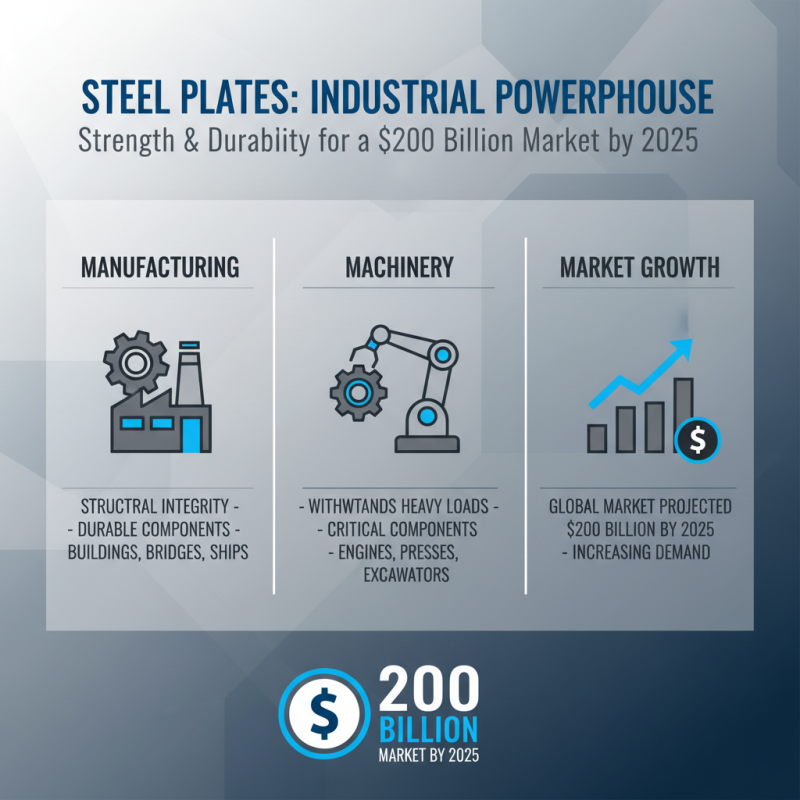
Steel plates play a crucial role in various industrial applications. In manufacturing, they provide structural integrity and durability. For machinery, they serve as vital components that withstand heavy loads. According to industry reports, the global steel plate market is projected to reach $200 billion by 2025. This indicates a growing demand for high-quality steel plates.
When it comes to machinery, steel plates are essential for fabricating parts such as frames, bases, and brackets. They offer excellent tensile strength, making them suitable for heavy-duty applications. Reports suggest that steel plates can enhance the lifespan of machinery by up to 20%. This durability can lead to lower maintenance costs and reduced downtime.
Tip: Regularly inspect your equipment for signs of wear. Also, consider the thickness of steel plates in your designs. Thicker plates may provide better performance but could increase costs. Balancing quality and budget is vital. Assessing the specific requirements of your project can prevent overspending on unnecessary materials.
Benefits of Using Steel Plates: Durability, Strength, and Cost-Effectiveness
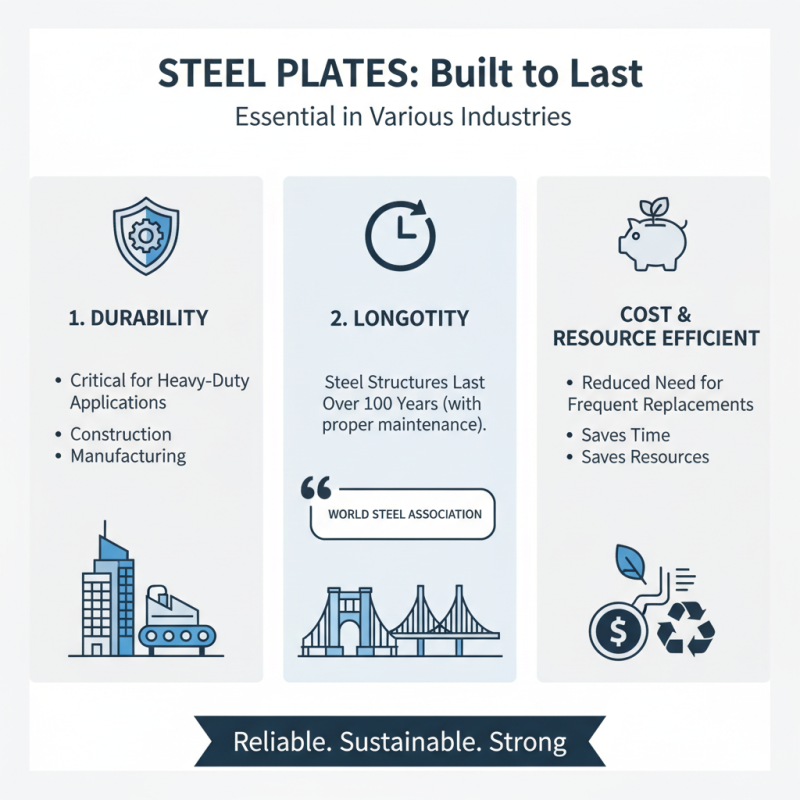
Steel plates are essential in various industries due to their notable benefits. They offer durability, which is critical for heavy-duty applications like construction and manufacturing. According to the World Steel Association, steel structures can last over 100 years with proper maintenance. This longevity reduces the need for frequent replacements, saving time and resources.
Strength is another vital aspect of steel plates. They can withstand extreme conditions. The tensile strength of steel plates can reach up to 580 MPa, making them suitable for load-bearing applications. This capability supports the integrity of buildings and machinery. However, it's important to acknowledge that not all steel is created equal. Poor-quality plates may not perform as expected under stress.
Cost-effectiveness is a significant factor in using steel plates. The material is often cheaper than alternatives like aluminum or composite materials. A report by the American Institute of Steel Construction indicates that using steel can lower lifecycle costs by 20-30%. Despite these advantages, the upfront costs can deter some projects. This challenge calls for careful budgeting and long-term planning for optimal resource allocation.
Environmental Considerations in Steel Plate Production and Usage
The production and usage of steel plates have significant environmental impacts that are hard to ignore. Steel manufacturing processes are energy-intensive and can lead to high levels of emissions. According to a report by the World Steel Association, the steel industry accounts for approximately 7% of global CO2 emissions. This is particularly concerning in a world increasingly focused on reducing carbon footprints.
Recycling steel is one effective way to mitigate these impacts. The scrap steel industry promotes recycling and saves 75% of the energy required to produce new steel. Scaling up these practices could make a big difference. However, there remain challenges in achieving a fully circular economy in steel production. Efficient recycling processes often depend on the quality and purity of scrap steel, which varies widely.
In addition, water usage in steel production poses environmental concerns. Water is essential for cooling and cleaning, but it can also lead to pollution and depletion of local resources. A 2020 study highlighted that steel production requires about 60-100 cubic meters of water per ton of steel. As the industry evolves, there is a pressing need for improved technologies. Striking a balance between production efficiency and environmental stewardship is critical, but it requires ongoing reflection and innovation.