How to Use Galvanized Pipe for Plumbing Projects?
When considering plumbing projects, the choice of material is crucial. Galvanized Pipe has long been a staple for both professionals and DIYers. John Smith, a seasoned plumbing expert, once stated, “Galvanized Pipe can be reliable, but it has its drawbacks.” His words highlight the need for careful consideration when using such materials.
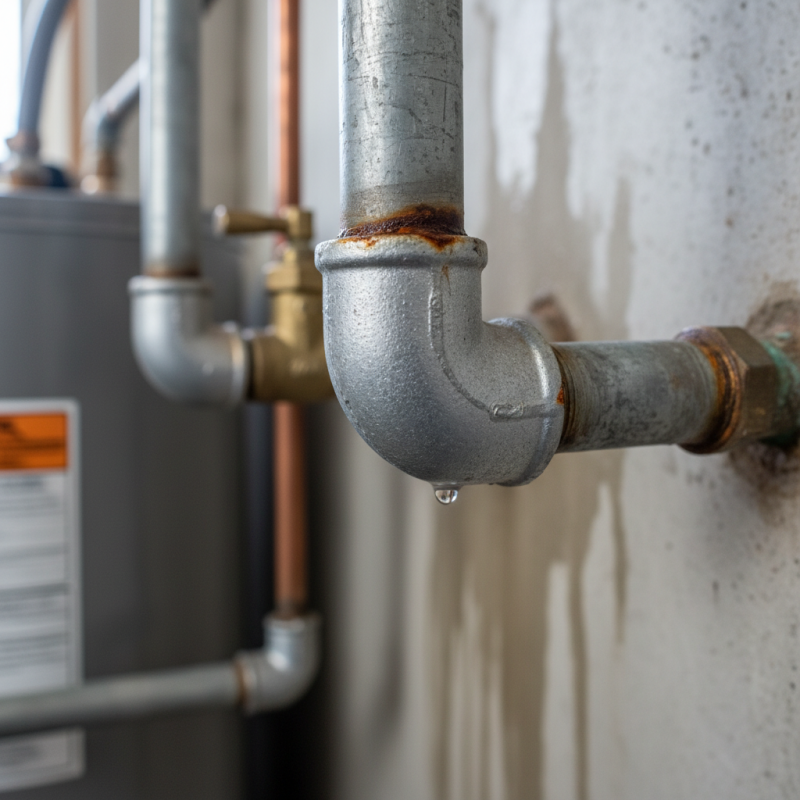
Galvanized Pipe is known for its durability. It's coated with zinc to prevent rust, making it useful for water supply lines. However, it can corrode over time, especially if the water has too much acidity. This can lead to leaks, requiring repairs that can be both costly and inconvenient.
Choosing Galvanized Pipe means weighing its benefits against its potential issues. While it can serve you well for years, be prepared for maintenance. Ensuring your plumbing project is efficient involves understanding these aspects. The decision isn't always clear-cut, and this is where critical reflection is necessary.
Understanding Galvanized Pipe: Properties and Benefits
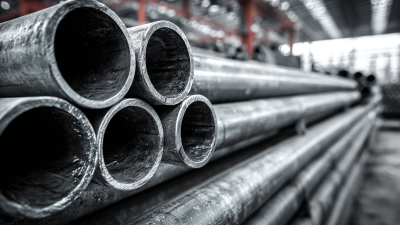
Galvanized pipe is commonly used in plumbing. Its primary advantage is resistance to corrosion. This makes it a durable option for various projects. The pipes are coated with zinc, which protects against rust. This is especially useful in moist environments. However, they can be heavy and harder to work with compared to plastic alternatives.
Tips: Always ensure your pipes are clean before installation. This helps to maintain a good seal. Check for any visible damage to the pipe before using it. Small imperfections can lead to leaks later on. Additionally, consider using proper fittings for the best results.
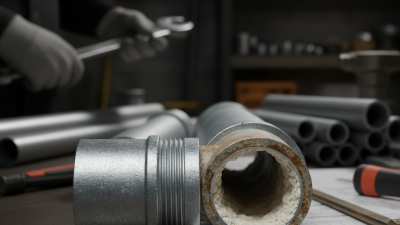
One downside of galvanized pipes is their tendency to accumulate mineral deposits over time. This can reduce water flow and affect water quality. Regular maintenance is crucial. Inspect your pipes periodically and flush them when necessary. Be aware that older galvanized pipes may contain lead. If you have an older plumbing system, it’s worth investigating this issue.
How to Use Galvanized Pipe for Plumbing Projects?
| Property |
Benefit |
| Corrosion Resistance |
Prevents rust and extends the life of the pipe. |
| Durability |
Withstands high pressure and harsh conditions. |
| Versatility |
Suitable for various applications including water supply and gas lines. |
| Cost-Effective |
Affordable compared to many other piping materials. |
| Availability |
Widely available at most hardware and plumbing stores. |
Tools and Materials Needed for Plumbing with Galvanized Pipe
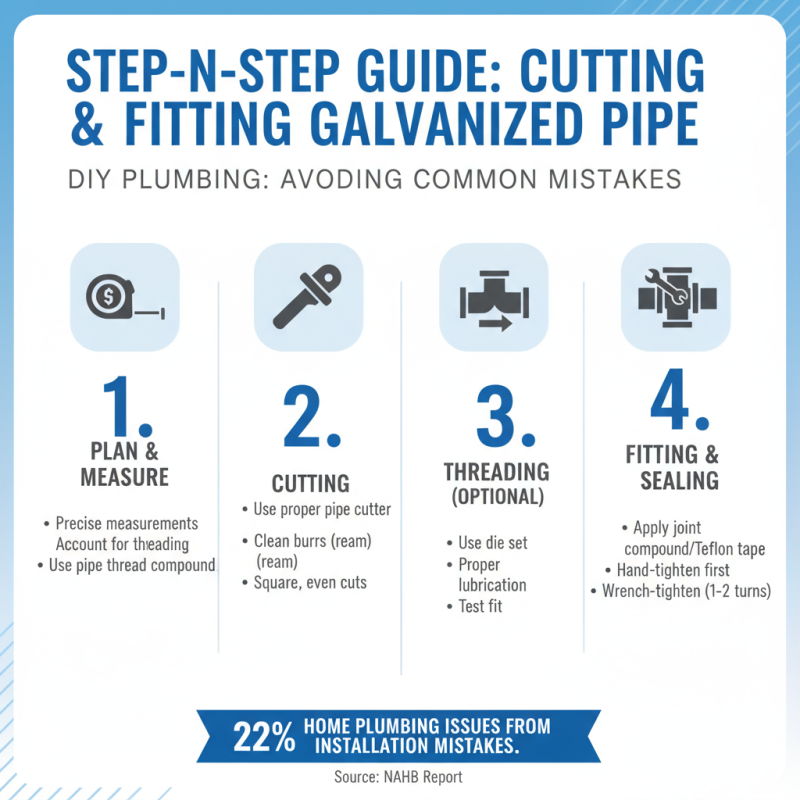
When planning to use galvanized pipe for plumbing projects, it's essential to gather the right tools and materials. You'll need a pipe cutter or hacksaw for cutting the pipes to size. Pipe wrenches are crucial for tightening joints. A tape measure ensures precision as you measure your lengths. Don't forget safety gear, such as gloves and goggles, to protect yourself.
In addition to tools, consider the fittings you'll need. Elbows, tees, and couplings help in creating various configurations. Thread seal tape is necessary to prevent leaks at connections. If your project involves heavy vertical runs, additional support like pipe straps is vital. Inspect all your materials carefully. Sometimes, pipes may show signs of rust inside. This can lead to contamination in your water supply. Reflect on how to install the pipes securely, as improper installation can create future issues.
Galvanized Pipe Usage in Plumbing Projects
Techniques for Joining Galvanized Pipes: Welding and Threading
Joining galvanized pipes can be done through
welding or threading. Each method has its own advantages and challenges.
According to industry reports, welded connections often provide the strongest bond. The heat used during welding fuses the metal,
creating a durable joint. However, this process requires specific skills. Not everyone is comfortable with welding.
Mistakes can lead to leaks, which can be costly.
Threading is another popular technique. It involves cutting threads into the pipe ends, which allows them to screw together.
This method is more accessible for do-it-yourself enthusiasts. Many plumbers prefer it for smaller projects. Reports suggest that proper threading can
provide a secure fit. However, if not aligned correctly, it creates weak points. This can result in issues down the line.
Both methods require attention to detail. Keeping pipes clean before joining is crucial.
Debris can affect the integrity of the joint. Using the appropriate sealing materials also matters. Different projects may need different approaches.
Understanding the nuances of each method can significantly influence the outcome.
Safety Precautions when Working with Galvanized Pipe in Plumbing
When working with galvanized pipe, safety precautions are essential. Always wear protective gear, including gloves and safety glasses. This protects you from sharp edges and metal shards. The galvanized coating can also produce fumes if heated, so work in a well-ventilated area. Avoid using tools that can create sparks near flammable materials.
Before cutting or joining pipes, check the work area. Ensure it’s clear of hazards such as water and clutter. If you're using a pipe wrench, grip carefully to prevent slipping. Misalignment can lead to injuries, and improper connections might cause leaks later on.
Be mindful of the weight of the pipes. They can be cumbersome and awkward to handle. If you’re lifting heavy pieces alone, consider using a hoist or asking for help. Remember to double-check your measurements. A small mistake can lead to wasted materials and time. Each step you take should prioritize safety and accuracy.