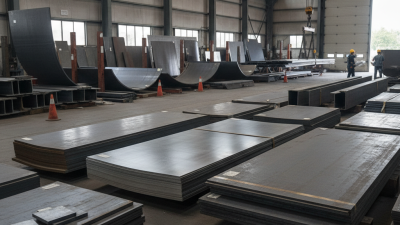
Why Choose Carbon Steel Plate for Your Construction Projects?
Choosing the right materials is crucial for construction projects. One material that stands out is Carbon Steel Plate. According to industry expert John Smith, “Carbon Steel Plates provide strength and versatility unmatched by other materials.” This makes them an excellent choice for various applications.
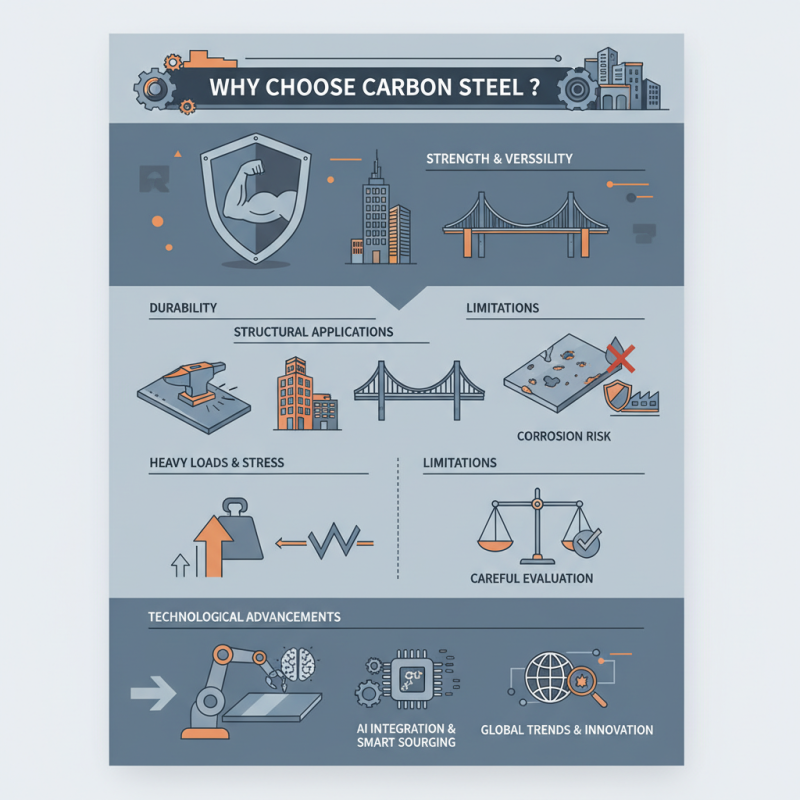
Carbon Steel Plate is known for its durability. It's widely used in structural applications. These plates can withstand heavy loads, making them ideal for buildings and bridges. Moreover, their resistance to deformation is critical in high-stress environments. However, they also have limitations. For instance, corrosion resistance can be an issue without proper treatment. A careful evaluation of these factors is essential.
Considering the growing trend in construction and manufacturing, the role of Carbon Steel Plate cannot be overlooked. Its applications are expanding, particularly with advancements in technology. Many are now integrating AI to streamline material sourcing. As seen in events like the 2026 International Trade Fair, innovations in this field are notable. Yet, as the industry evolves, ongoing reflection on material choices remains necessary.
Understanding Carbon Steel Plate and Its Properties
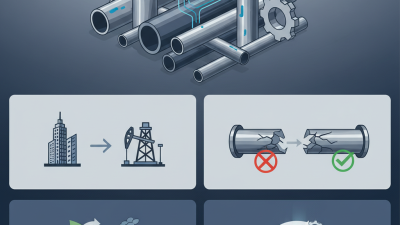
Carbon steel plate is a favored choice in construction due to its robust properties. This material offers high tensile strength, making it ideal for structural applications. When properly treated, carbon steel exhibits excellent durability and resistance to wear. It also has a good strength-to-weight ratio, providing efficiency in various construction projects.
Tips: Always inspect the steel for imperfections. Uneven surfaces can lead to structural issues. Understanding the grade of carbon steel is crucial as different grades possess varying properties.
Another point to ponder is the susceptibility to corrosion. While carbon steel is strong, it requires protective coatings in certain environments. Regular maintenance can extend its lifespan significantly. Always consider the site conditions before deciding on the material.
Tips: Assess the environmental factors that may affect the steel. Take time to analyze moisture levels and potential exposure to chemicals. A little planning goes a long way in ensuring project success.
Advantages of Using Carbon Steel Plate in Construction
Carbon steel plates are increasingly popular in construction projects due to their numerous advantages. One key benefit is their strength. According to industry reports, carbon steel plate can achieve yield strengths of up to 250 ksi. This quality allows for thinner materials without compromising strength, which can significantly reduce infrastructure weight and material costs.
Moreover, carbon steel has excellent weldability, making it suitable for various construction techniques. This makes it a favorite among fabricators. However, while carbon steel is cost-effective, it is prone to rust. Proper coatings or treatments are necessary to mitigate this issue. The need for maintenance can be a drawback, but the overall performance often outweighs these concerns.
In terms of sustainability, carbon steel plates are recyclable. The recycling process reuses most of the material, cutting down waste. Some estimates suggest that up to 90% of carbon steel can be recycled without losing quality. This makes it an environmentally friendly choice, although over-reliance on steel can pose problems in terms of resource depletion. Balancing usage and recycling is crucial for future projects.
Why Choose Carbon Steel Plate for Your Construction Projects? - Advantages of Using Carbon Steel Plate in Construction
| Advantages |
Description |
Applications |
| Cost-Effectiveness |
Carbon steel plates are often less expensive than other materials, making them a preferred choice for budget-conscious projects. |
Structural components, heavy machinery frames |
| High Strength |
Carbon steel plates offer high tensile strength, making them ideal for heavy load-bearing applications. |
Bridges, buildings, and industrial structures |
| Versatility |
Carbon steel plates can be easily cut, welded, and shaped to fit various construction needs. |
Custom parts, frames, and installations |
| Availability |
Widely available in different sizes and thicknesses, ensuring easy sourcing for projects. |
High demand applications in various industries |
| Recyclability |
Carbon steel is recyclable, which is an advantage for environmentally conscious projects. |
Green building initiatives, sustainable infrastructure |
Comparative Analysis: Carbon Steel vs. Other Steel Types
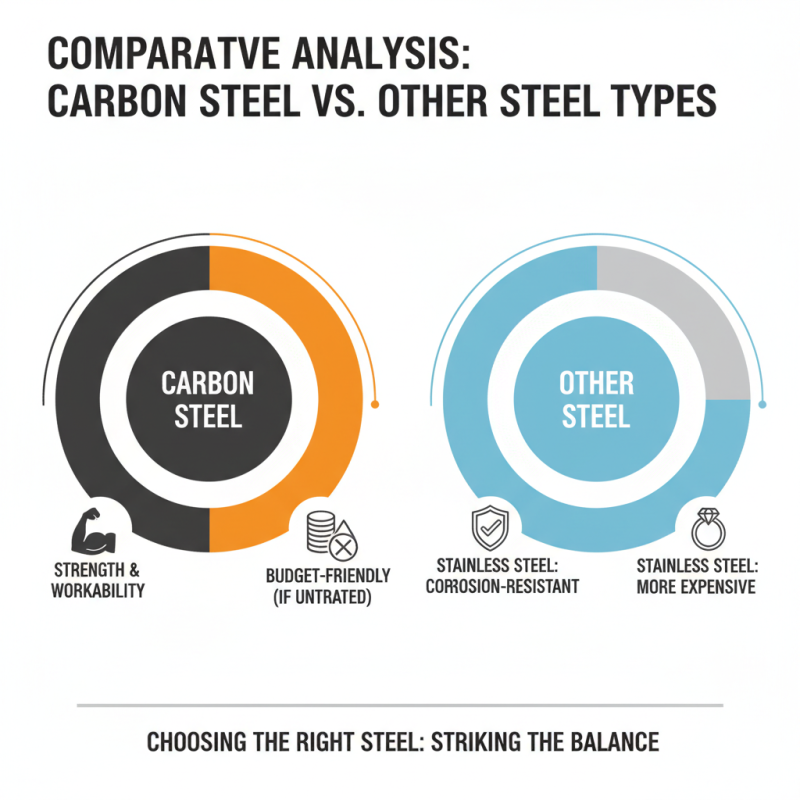
When exploring materials for construction projects, the choice of steel type can greatly impact structural integrity. Carbon steel stands out due to its balance of strength and workability. Unlike stainless steel, which is resistant to corrosion but more expensive, carbon steel is budget-friendly. However, it can rust if not treated properly.
In contrast, aluminum offers lightweight properties. It's easy to install but lacks the strength of carbon steel in heavy-duty applications. Some projects require materials that can handle wear and tear. Here, carbon steel excels. Yet, it may require more maintenance compared to other materials.
Prioritizing carbon steel means considering these factors. Will the environment lead to rust issues? Is the weight of the project a concern? Each material has its pros and cons. Reflecting on these questions is vital before making a final decision.
Applications of Carbon Steel Plate in Construction Projects
Carbon steel plates are widely used in various construction projects. Their durability makes them ideal for structural applications. For example, they are commonly found in bridges and buildings. These plates can withstand heavy loads and harsh conditions. In constructions, every choice matters; carbon steel offers strength but may corrode without proper treatment.
Additionally, carbon steel plates are used in manufacturing beams and columns. They provide excellent support due to their high tensile strength. In construction sites, workers appreciate the material's versatility. However, handling these plates requires caution. Sharp edges can pose safety risks if not managed properly. Sometimes, the weight can be cumbersome, leading to accidents.
In roofing applications, carbon steel plates are popular for systems that need resilience. They resist extreme weather conditions, but they must be coated to prevent rust. Despite their advantages, some projects may encounter challenges with installation. Measurements must be precise, and workers need training. The learning curve can lead to errors if teams are not diligent.
Cost Efficiency and Durability of Carbon Steel Plate
When considering materials for construction,
carbon steel plate stands out due to its cost efficiency and durability.
This steel offers excellent strength-to-weight ratio, making it ideal for structural applications.
Its affordability allows builders to stay within budget while ensuring the integrity of their projects.
Reducing costs doesn’t mean compromising quality, which is a significant advantage.
Durability is another strong point.
Carbon steel plates are resistant to deformation and wear, proving reliable for long-term use.
They can withstand harsh weather and heavy loads. This means fewer repairs and replacements down the line.
However, one must be mindful of rust in certain environments.
Proper treatment and maintenance are essential to prolonging their life.
Choosing carbon steel plate is a smart move for many projects.
It balances cost and
performance effectively. Yet, the need for careful monitoring remains.
Each project has unique challenges and considerations. Understanding your specific needs can lead to better outcomes.