What is the Best Steel Plate for Your Industrial Needs?
Choosing the right steel plate for industrial needs is crucial. Steel plates come in various types, each with specific properties. The right choice impacts durability and performance.
Consider factors such as strength, weight, and corrosion resistance when selecting steel plates. For instance, carbon steel offers high strength, while stainless steel resists rust. The application also matters; construction, automotive, or manufacturing each has unique requirements.
Evaluate your project specifications carefully. Not all steel plates are equal. Some may seem fitting but lack long-term reliability. Grounded in experience, understanding how different plates behave under stress is vital. A thoughtful selection process can save time and costs in the long run.
Choosing the Right Steel Plate: Key Considerations for Industries
Choosing the right steel plate for industrial needs requires careful consideration of many factors. Industrial sectors typically rely on steel for its strength and durability. According to a recent industry report by the American Institute of Steel Construction, the right material choice can enhance structural integrity by up to 30%.
Tip: Always assess the environment in which the steel will be used. Factors like temperature, humidity, and exposure to chemicals can drastically affect performance. For instance, corrosive conditions often require stainless steel, while construction projects may benefit more from carbon steel.
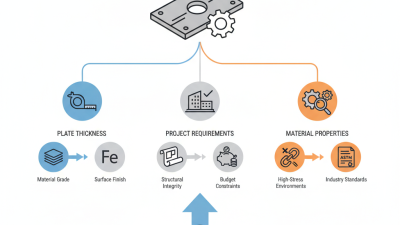
It's vital to consider the thickness of the steel plate. Thicker plates generally offer better protection, but they can also be heavier and costlier. An improper choice may lead to difficulties in assembly or increased wear on machinery. Industry data indicates a 15% decrease in efficiency when the wrong thickness is used.
Tip: Evaluate both short-term and long-term costs. Sometimes, a more expensive plate can save money over time by increasing efficiency. Additionally, consulting with experts can lead to better decision-making. They can provide insights into material specifications that align with specific application needs, ultimately ensuring a more beneficial outcome.
What is the Best Steel Plate for Your Industrial Needs?
| Type of Steel Plate |
Thickness (mm) |
Yield Strength (MPa) |
Hardness (HB) |
Best Uses |
| Mild Steel Plate |
6 - 50 |
250 - 350 |
120 - 160 |
Construction, Structural Fabrication |
| Stainless Steel Plate |
3 - 25 |
200 - 550 |
150 - 250 |
Food Processing, Chemical Storage |
| High Carbon Steel Plate |
5 - 25 |
400 - 700 |
200 - 300 |
Automotive Parts, Tooling |
| Abrasion Resistant Steel Plate |
5 - 40 |
450 - 550 |
450 - 600 |
Mining, Material Handling |
| Tool Steel Plate |
10 - 50 |
600 - 1200 |
200 - 300 |
Machining, Manufacturing Tools |
Understanding Different Steel Plate Grades and Their Applications
When selecting steel plates for industrial applications, understanding the different grades is crucial. Steel plates come in various specifications, each tailored for specific uses. For example, ASTM A36 is a common structural steel grade. It is versatile, easy to weld, and adequate for projects requiring moderate strength.
Another notable example is ASTM A572, which boasts higher strength and is especially useful in building structures and bridges. It also offers excellent corrosion resistance. However, it's vital to assess whether it's the best fit for your specific needs. Stress can also lead to unforeseen complications later.
In industries like manufacturing, the choice of steel plate is often dictated by the environmental demands. Higher grade steel generally performs better under extreme conditions. That said, cost considerations are always present. Balancing grade, cost, and application requirements can be tricky and requires thoughtful evaluation. Each decision carries weight, affecting longevity and safety.
Evaluating Steel Plate Thickness and Weight for Optimal Performance
Selecting the right steel plate for industrial applications involves careful consideration of thickness and weight. Thickness directly influences durability and load-bearing capacity. Thicker plates generally provide more strength, yet they can also add significant weight. This is crucial in industries where weight limits are a primary concern. A balance must be struck between strength and practicality.
Weight is another vital factor in the performance of steel plates. Heavier plates can be more challenging to handle during installation. For example, lifting equipment needs to be more robust for transport. In some cases, a lighter plate might suffice, yet variability in thickness can create unforeseen challenges. It’s essential to analyze the specific requirements of your project to determine the best combination.
When assessing steel plate thickness, consider the operational environment. For instance, extreme temperatures can affect material integrity. Reflecting on these factors is key to making informed decisions. It's also helpful to consult with industry experts or conduct tests to ensure compatibility. The optimal choice may vary depending on numerous variables, including project specifics and safety regulations.
Cost Analysis: Balancing Quality and Budget in Steel Plate Selection
When selecting steel plates for industrial applications, cost is often a primary concern. However, balancing quality with budget requires careful consideration of various factors. Choosing lower-cost options may lead to unexpected expenses down the line. For example, a steel plate that lacks adequate durability may require frequent replacements, increasing long-term costs.
Understanding specifications such as thickness, grade, and tensile strength is crucial. These factors directly influence the performance of steel plates in various conditions. It is important to assess the specific requirements of your project. An inadequate steel plate choice can lead to structural failures or subpar performance, costing more than anticipated. Evaluating the trade-offs between initial costs and future implications can be challenging.
Thorough research and expert consultation can guide informed decisions. Industry resources provide insights on standard practices and emerging trends. Sharing experiences with peers can reveal common pitfalls to avoid. While seeking the best value, one must also appreciate the difference that quality steel plates make in operational efficacy. Quality often outweighs cost savings, revealing that a more expensive choice can ultimately prove to be more economical.
Industry Standards and Certifications for Steel Plates: What You Need to Know
When selecting steel plates, understanding industry standards and certifications is essential. These standards ensure the quality and safety of the materials used in various applications. Familiarize yourself with certifications like ASTM and ISO, which indicate compliance with international manufacturing guidelines. Each specification has unique properties designed for specific uses ranging from construction to manufacturing.
Tips: Always verify that your supplier provides proper documentation. Ask about the testing processes and material composition.
Different industries have varying requirements. For example, heavy-duty applications may demand high-tensile strength plates. Other sectors may prioritize corrosion resistance. Knowing your specific needs helps in choosing the right steel plate. Take into account the environment where the steel will be used. Will it face extreme temperatures or exposure to chemicals?
Tips: Regularly review and update your knowledge on standards. This helps address any gaps in understanding new regulations as they emerge.
Steel Plate Standards and Certifications
This bar chart displays the yield strength of various types of steel plates commonly used in industrial applications. Understanding the strength characteristics of these plates is crucial in selecting the right material for your needs.