China Best Galvanized Pipe Suppliers for Global Buyers?
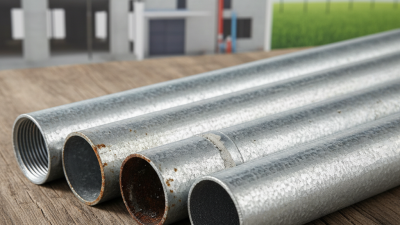
When exploring the vast market of construction materials, "Galvanized Pipe" stands out for its durability and resistance to corrosion. This product is essential for many applications, from plumbing to fencing. The global demand for high-quality galvanized pipes has driven buyers to seek reputable suppliers, particularly from China, known for its manufacturing expertise.
China's galvanized pipe suppliers offer diverse products, catering to various industries around the world. Buyers often encounter challenges in selecting the right supplier, given the range of quality and pricing. Therefore, understanding the nuances of galvanized pipe specifications and supplier credentials becomes vital for informed decision-making.
Many factors can impact the reliability of suppliers, including production standards and customer feedback. It's essential to assess these elements to ensure you choose a trustworthy partner. Reflecting on past experiences can also help buyers refine their selection process. In a competitive market, the right supplier relationship can significantly influence project success.
Overview of Galvanized Pipes and Their Applications
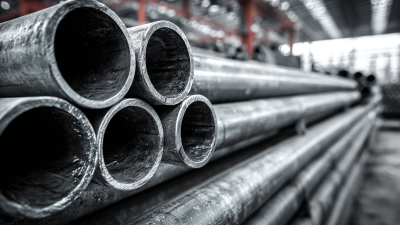
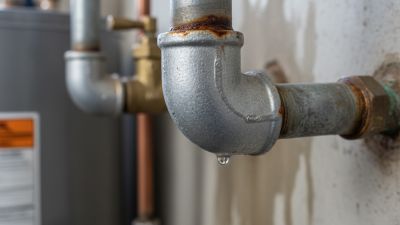
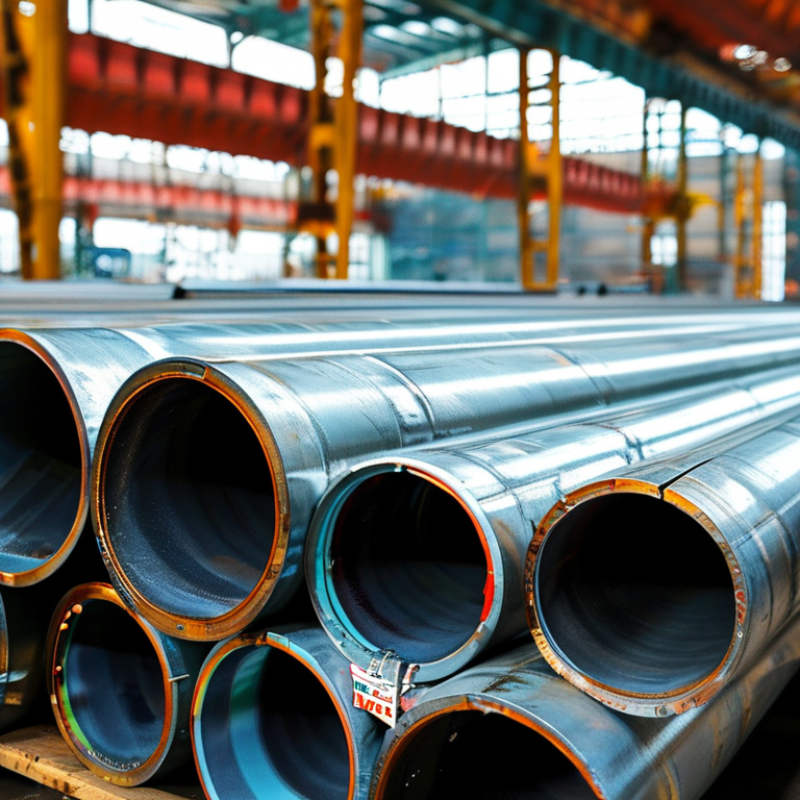
Galvanized pipes are versatile and widely used in many industries. They are created by coating steel or iron with zinc to prevent corrosion. This makes them ideal for plumbing, construction, and industrial applications. Their durability and resistance to rust are key factors in their popularity.
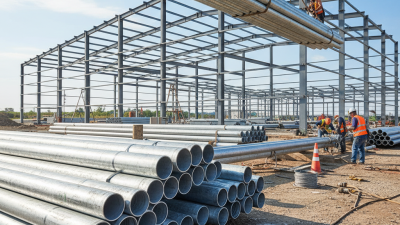
In plumbing, galvanized pipes are often used for water supply lines. Their resistance to rust helps ensure clean water. In construction, they serve as structural components, providing strength to various frameworks. These pipes can also be found in HVAC systems, supporting ductwork and ventilation due to their strength and longevity.
Tips: When selecting galvanized pipes, consider the thickness and grade of zinc coating. A thicker coating may provide better corrosion resistance. Also, inspect the pipes for any signs of damage before installation. Small dents can compromise their strength over time. Additionally, always check for leaks after installation to ensure safety and performance.
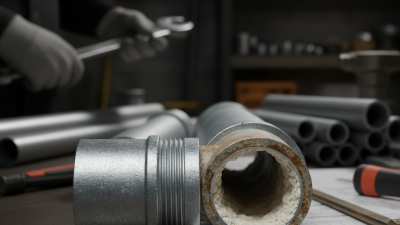
Moreover, galvanized pipes can face challenges such as reduced water flow if not properly maintained. Over time, mineral build-up can occur within the pipes, leading to potential issues. Regular cleaning and inspections are vital to keep the system functioning optimally. These practices help enhance their longevity and ensure reliable performance in residential and industrial settings.
China Best Galvanized Pipe Suppliers for Global Buyers
| Dimension (mm) |
Weight (kg/m) |
Standard |
Application |
Coating Type |
| 20 x 3 |
1.42 |
ASTM A53 |
Construction |
Hot-dip galvanized |
| 25 x 4 |
1.93 |
API 5L |
Oil and gas |
Galvanized |
| 32 x 5 |
2.54 |
DIN 2440 |
Water supply |
Cold galvanized |
| 40 x 6 |
3.57 |
BS 1387 |
Structural |
Hot-dip galvanized |
| 50 x 6 |
4.78 |
ASTM A500 |
Furniture |
Electro-galvanized |
Criteria for Selecting Quality Galvanized Pipe Suppliers
When selecting galvanized pipe suppliers in China, it’s crucial to consider key criteria. Quality assurance is vital. Suppliers should provide certifications like ISO 9001, ensuring adherence to international standards. According to a recent market analysis, the demand for galvanized pipes is expected to grow by 5.1% annually through 2025. This growth reflects the importance of reliable suppliers.
Another important factor is production capacity. A supplier should have the ability to meet large orders without compromising quality. Check their facility equipment. Advanced machinery often leads to better product outcomes. A reliable supplier typically has experience over a decade in the industry. This experience often translates into expertise in various applications.
Tip: Always ask for samples before making large purchases. This allows you to evaluate quality firsthand. Remember to assess customer service responsiveness. Suppliers who communicate effectively can help resolve issues quickly. Another key insight is to investigate feedback from previous customers. This can provide a glimpse into supplier reliability.
Top Galvanized Pipe Suppliers in China: A Detailed Examination
When examining the landscape of galvanized pipe suppliers in China, it's essential to focus on quality and reliability. The galvanized pipe market has seen significant growth.
Reports indicate a compound annual growth rate (CAGR) of around 5.5% for the industry from 2021 to 2026. This suggests a robust demand from construction and infrastructure sectors globally.
Quality remains a key concern, as subpar products can lead to issues in vital applications.
China stands out for its diverse supply base. Various suppliers offer products compliant with international standards. For instance, the
ASTM and
ISO certification plays a significant role in ensuring product reliability. Despite this, some suppliers may not meet these requirements consistently, which can be a red flag for potential buyers. With a range of prices, the challenge lies in identifying suppliers that balance
cost and
quality effectively.
Another important aspect is
customer service. Many global buyers prioritize suppliers that provide strong support and communication. Reports show that over
70% of buyers consider aftersales service vital when making purchasing decisions. This highlights the necessity for suppliers to enhance their service offerings.
Understanding these dynamics can lead to more informed choices in selecting the best galvanized pipe suppliers from China.
Comparative Analysis of Pricing and Quality Among Suppliers
When evaluating galvanized pipe suppliers in China, pricing and quality are critical. A recent industry report indicated that price fluctuations can range from 10% to 30% depending on various factors. These include raw material costs, production methods, and demand within specific markets. For instance, the average price per ton for galvanized steel has seen a steady increase, reaching approximately $700 in 2023.
Quality varies significantly across suppliers. A 2022 study showed that 40% of buyers reported inconsistencies in pipe thickness and corrosion resistance. Such disparities can impact projects, especially those requiring high durability. Buyers must assess certifications like ISO 9001 and look for third-party testing reports. These certifications can be indicators of a supplier's commitment to quality control.
Another consideration is lead time and delivery reliability. Some suppliers struggle to meet deadlines, leading to project delays. A recent survey revealed that 25% of companies experienced shipment issues. Timely delivery is just as crucial as competitive pricing. Thus, buyers should weigh these factors carefully when choosing a supplier.
Logistics and Shipping Considerations for Buying from China
When considering logistics for galvanized pipe procurement from China, you must assess shipping options. Sea freight remains the primary choice, due to its cost-effectiveness. According to the World Bank, sea freight rates surged by 300% during 2020, illustrating significant fluctuations in global shipping costs. These rates can impact budgets, making thorough planning essential.
Additionally, understanding port logistics is crucial. Many suppliers may be located near major ports like Shanghai and Shenzhen. However, congestion at these ports can cause delays. A report from the International Maritime Organization highlighted that nearly 70% of shipping delays stem from port congestion. Effective communication with suppliers about expected shipping times helps mitigate risks.
Lastly, customs procedures in your country should not be overlooked. Post-Brexit regulations in Europe, for instance, have increased customs checks and paperwork requirements. Not all suppliers are equipped to manage these complexities efficiently. Therefore, it is important to verify the experience level of suppliers in handling international shipping. Delays at this stage can lead to additional costs and extended delivery timelines. Identifying a supplier with a good logistics network can make a significant difference.