Choosing China’s best Metal Sheets suppliers takes more than comparing prices. Buyers need materials that match the drawing, perform consistently, and arrive in usable condition. A low quote means little if sheet thickness varies or protective film arrives torn.
Details matter. Confirm the alloy or steel grade, thickness tolerance, sheet dimensions, surface finish, and packaging before requesting a final offer. Ask suppliers to provide current product specifications and relevant quality documents. If the application is demanding, request samples or inspection records before placing a large order. These checks can reveal gaps early, though they cannot remove every risk.
Look closely at communication, too. Can the supplier explain production limits clearly? Do they respond with specific answers about lead times, packing, and shipping documents? Vague promises deserve follow-up. A polished catalog can still leave important questions unanswered.
For global buyers, export experience and dependable coordination are practical advantages. Yet no supplier is perfect, and a strong website is not proof of consistent quality. Compare several manufacturers using the same specifications, then verify key claims directly. This guide explores what to check when evaluating Chinese Metal Sheets suppliers, from material options and quality controls to quotations and delivery. The aim is not to name a universal winner. It is to help buyers ask sharper questions and choose a partner suited to their project, budget, and required standards. Some details may only become clear after a sample order. That is worth acknowledging.
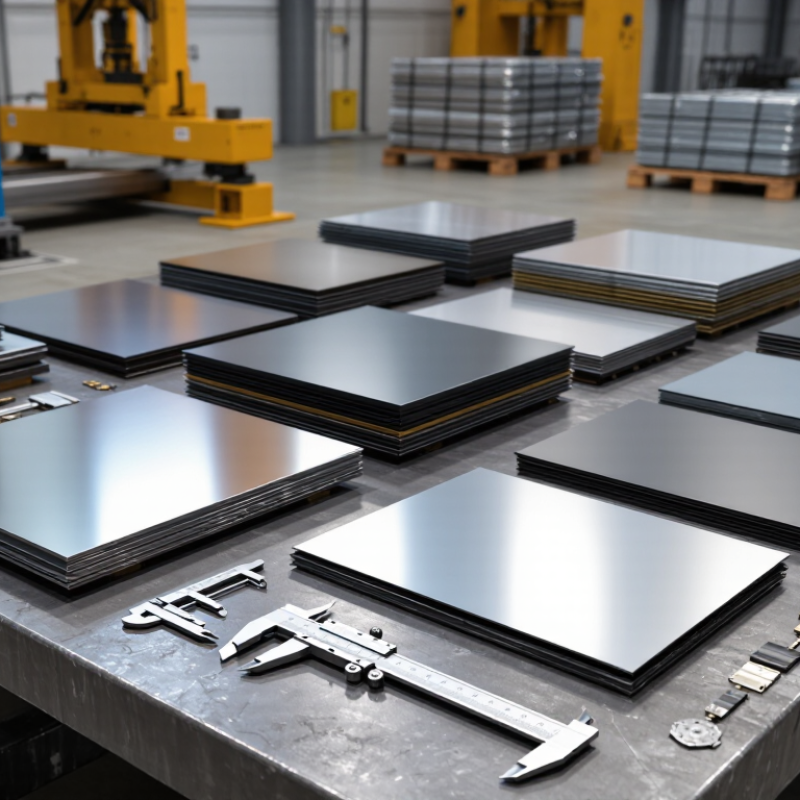
Metal sheets serve different jobs, and the right choice depends on load, moisture, temperature, and fabrication needs. Carbon steel sheets are common in machinery housings, storage tanks, and building components. They offer strength and are generally easy to form, but exposed surfaces need suitable corrosion protection. Stainless steel sheets suit food-processing equipment, commercial kitchens, and chemical facilities where cleanability and corrosion resistance matter. The exact grade still matters.
Aluminum sheets are lightweight, making them useful for vehicle panels, transport equipment, and electrical enclosures. Galvanized steel appears in roofing, ductwork, and outdoor cabinets, where its zinc coating helps slow rust. Copper sheets conduct heat and electricity well, so they are used in selected electrical parts and heat-transfer equipment. A material name alone is not enough; thickness, temper, finish, and forming method can change performance. A tidy specification sheet may still miss how a part behaves after repeated bending.
Tips: Match the sheet to its working environment, not just its purchase price. Check thickness tolerance, surface condition, and coating requirements before ordering. Ask for a sample when appearance or forming quality is critical. Small details matter.
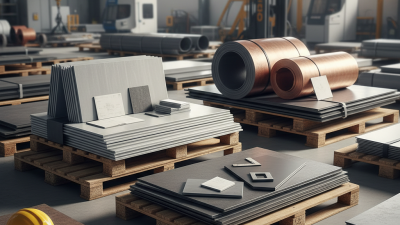
China’s metal-sheet supply market is layered rather than built around one type of supplier. Large mills produce coils and flat steel, while processors cut, slit, level, or coat them for specific orders. Service centers often hold stock and handle smaller batches. Export traders coordinate quotations, documents, packing, and shipping. That scale matters.
The World Steel Association reported that China produced 1,005.1 million tonnes of crude steel in 2024, roughly 53% of global output.
This figure describes crude steel, not sheet production, but it helps explain the depth of the upstream supply base.
For buyers, the practical question is where a supplier sits in this chain. A mill-linked seller may offer broader production capacity; a processor may provide tighter dimensions or faster customization. Ask for the grade standard, thickness tolerance, coating weight, surface finish, and inspection records. Request a sample or recent test certificate, and confirm whether quoted dimensions refer to nominal or measured thickness.
Details matter.
This map is useful, but incomplete: large capacity does not guarantee consistent batches, and a polished quotation cannot replace inspection. Lead times can shift when processing steps, packing requirements, or port schedules change.
A strong supplier should prove consistency, not merely offer a low price. The World Steel Association’s World Steel in Figures 2024 reports that China produced about 1.019 billion tonnes of crude steel in 2023. That scale creates broad sourcing options, but it does not guarantee sheet quality. Scale is not quality. Ask for mill test certificates that match the quoted grade, thickness, and heat number. Check whether certificates are independently verifiable.
Compare suppliers using the same specification: alloy or steel grade, thickness tolerance, width, surface finish, coating weight, and packaging. Request sample sheets and inspect edges, flatness, and scratches under clear lighting. Confirm inspection procedures, production capacity, lead time, and how nonconforming material is handled. ISO 9001 certification can support confidence in quality management, but it cannot replace product-specific evidence. Paperwork may look perfect; that still deserves scrutiny. Verify recent records, not just promises.
Tip: Send one detailed specification to every candidate. Request a sample, a recent test report, and a written tolerance range. Compare the delivered sheet with those documents before placing a larger order.
China Best Metal Sheets Suppliers for Global Buyers?
Major Manufacturing Regions and Supplier Categories in China
China’s metal-sheet supply network is concentrated around major steelmaking and processing clusters. Hebei and nearby Tianjin serve high-volume buyers, while Jiangsu and Shandong offer broad industrial processing capacity. Guangdong’s manufacturers are closer to appliance, machinery, and export-oriented production hubs. These are useful starting points, not guarantees of product quality. A supplier’s actual capabilities can vary by facility.
The World Steel Association’s World Steel in Figures 2025 reports that China produced about 1,005 million tonnes of crude steel in 2024, roughly 53% of global output. That scale supports several supplier categories: integrated mills, metal service centers, specialist processors, and trading companies. Mills may suit large, repeat orders. Service centers can provide cut-to-size sheets and smaller quantities. Traders may consolidate products, but buyers should verify the original mill and material records. Details matter.
Tips: Request a recent inspection report, thickness tolerance, and sample. Check whether the quoted material is in stock or made to order. A neat catalog is not proof of consistent production; even experienced buyers can miss that distinction.
| Region or Cluster | Common Supplier Category | Typical Sheet Products | Potential Buyer Fit | Checks Before Ordering |
|---|---|---|---|---|
| Foshan, Guangdong | Stainless-steel stockists, service centers, and processors | Stainless sheet and coil; common finishes include 2B, BA, and brushed finishes | Buyers seeking a broad range of stainless grades, finishes, and cut-to-size services | Confirm grade, thickness tolerance, surface finish, protective film, and whether the supplier is a mill or a processor |
| Wuxi, Jiangsu | Stainless-steel distributors and coil/sheet processing centers | Cold-rolled and hot-rolled stainless sheet and coil, with slitting and leveling options | Industrial and fabrication buyers comparing stock availability and processing services | Request a material test certificate, verify the applicable standard and grade, and clarify actual stock origin |
| Tangshan and wider Hebei | Carbon-steel producers, stockists, and service centers | Hot-rolled carbon-steel sheet, plate, and coil in a range of commercial and structural specifications | Construction, equipment, and general fabrication buyers needing carbon-steel products | Specify steel grade, dimensions, flatness, surface condition, inspection requirements, and delivery format |
| Shandong and Tianjin area | Coated-steel manufacturers, processors, and distributors | Galvanized, galvalume-type, and color-coated steel sheet and coil | Roofing, cladding, appliance, and light fabrication projects | Check coating type and mass, paint system, color reference, base-metal thickness, and corrosion-test requirements |
| Henan, including Luoyang | Aluminum flat-rolled producers, distributors, and sheet processors | Aluminum sheet and plate in commercial alloys and tempers, subject to supplier capability | Transport, machinery, building, and general industrial applications | Confirm alloy and temper, thickness and width tolerances, mechanical properties, and surface protection |
| Shanghai and Yangtze River Delta | Multi-metal service centers, import/export traders, and precision processors | Stainless, carbon-steel, and aluminum sheet sourced from regional and other domestic mills | Buyers needing mixed-metal sourcing, export coordination, or cut-to-size supply | Establish the original producer, traceability documents, inspection scope, packing method, and export terms |
| Supplier category: Mill or producer | Primary manufacturer with rolling or coating production capability | Products aligned with the mill's equipment, approved grades, and production schedule | Larger or repeat orders with defined specifications and lead times | Verify production scope, minimum order quantity, certificates, inspection access, and capacity for the requested specification |
| Supplier category: Service center or processor | Stockholder offering slitting, leveling, shearing, or other conversion services | Processed sheets or coils made from available parent material | Smaller batches, custom dimensions, or orders requiring local processing | Confirm parent-coil traceability, processing tolerances, edge quality, packaging, and responsibility for defects |
| Supplier category: Trading company or export agent | Intermediary coordinating sourcing, documentation, and shipment | Often a range of sheet products sourced from multiple producers | Buyers seeking consolidated orders or export-handling support | Identify the actual producer, agree on inspection and payment terms, and check export documents and product traceability |
Note: Regional clusters indicate common industry activity, not a guarantee of product origin or supplier capability. Confirm current specifications, availability, certifications, and trade requirements directly before purchase.
For global buyers, supplier checks should reach beyond a polished quotation. The World Steel Association reported 1,888.2 million tonnes of crude steel production in 2023. That scale makes traceability essential, not optional. Request a mill test certificate tied to each heat number, with grade, thickness, chemistry, and tensile results. Compare the paperwork with actual sheet measurements, then arrange independent sampling before shipment when order risk justifies it. Small checks matter. A certificate can still miss a mixed bundle or a scratched surface. Photograph labels, edges, and protective wrapping during inspection.
Export planning needs the same discipline. Agree on tolerances, bundle weights, labeling, packing, and inspection points in writing before production starts. Confirm that the invoice, packing list, and transport documents use matching quantities and product descriptions. UNCTAD’s Review of Maritime Transport 2024 reported 2.4% growth in maritime trade volume for 2023 and forecast 2% growth for 2024, amid continuing disruption risks. Build in slack. Set a latest cargo-ready date, confirm the booking early, and ask how moisture protection will be handled inside the container. One weak spot in many plans is assuming that an agreed sailing date guarantees arrival. Track milestones and keep a record of every approved change.