2026 Best Metal Coils for Industrial and Commercial Use?
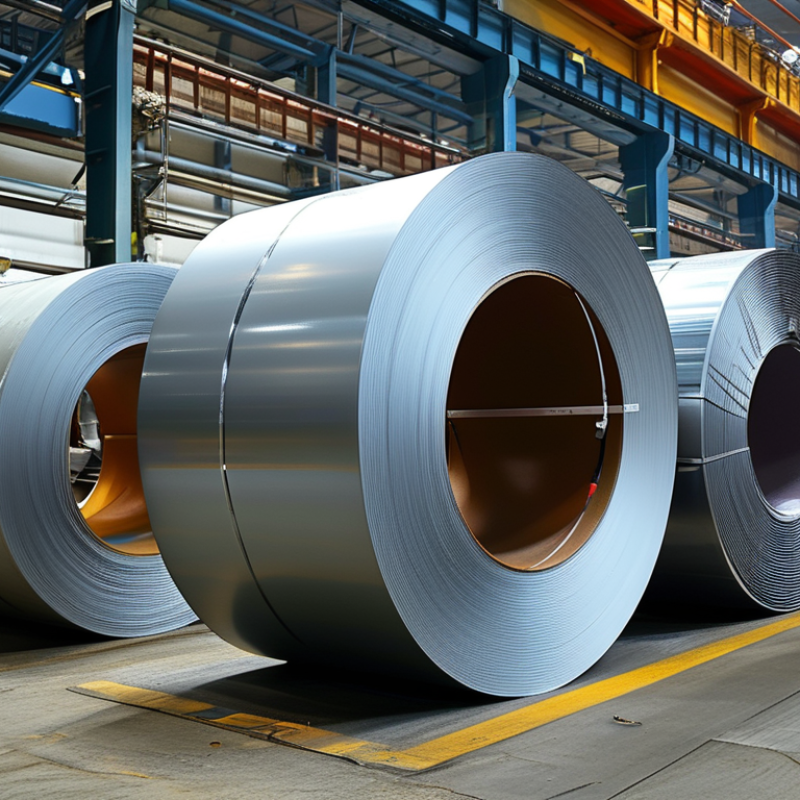
Metal coils are essential in various industrial and commercial applications. They offer strength, durability, and versatility. Choosing the right metal coils can significantly impact production efficiency and product quality.
In 2026, the market for metal coils is expected to evolve. Innovations may introduce new materials and manufacturing processes. This dynamic landscape presents both opportunities and challenges. Companies must stay informed about the latest trends to make the best choices.
Selecting the right type of metal coil is not always straightforward. Factors such as material composition, thickness, and finish play crucial roles. Businesses should consider their specific needs before making a decision. Careful evaluation ensures reliable performance and long-lasting results. However, navigating this complexity demands attention to detail and informed judgment.
Factors to Consider When Choosing Metal Coils for Industrial Applications
When selecting metal coils for industrial applications, several factors come into play. Understanding these factors ensures that the chosen material meets specific operational requirements. The type of metal, thickness, and coil size are key elements to consider. Different metals have distinct properties. For example, aluminum is lightweight and corrosion-resistant, while steel offers strength and durability.
Tip: Always analyze the environmental conditions where the metal will be used. Exposure to chemicals or extreme temperatures can impact the coil's performance. It’s essential to test materials in your specific setting before making a final decision.
Moreover, gauge the coil's finish and surface quality. A smooth finish may be necessary for certain applications, while rougher surfaces can provide better adhesion for coatings. It’s also vital to look at the manufacturer's reputation. A reliable supplier can provide certifications and quality assurance, which is crucial for long-term performance.
Tip: Maintain open communication with your supplier. Discuss your needs and any specific applications. Sharing your requirements allows them to recommend the best type of metal coils for your project. Remember, the right choice can enhance efficiency and reduce material waste.
Types of Metal Coils Commonly Used in Commercial Industries
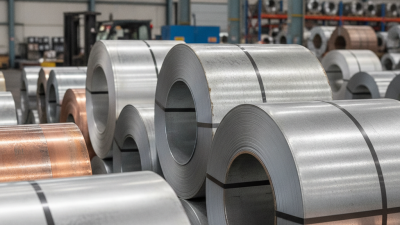
In the commercial and industrial sectors, metal coils are critical for various applications. Common types include steel, aluminum, and copper coils. Steel coils often serve in construction and manufacturing. They’re known for strength and durability, essential qualities in demanding environments. According to the Metal Service Center Institute, about 43% of steel is used in the construction industry alone.
Aluminum coils are lighter and corrosion-resistant, making them ideal for the automotive and aerospace sectors. The Lightweight Innovations For Tomorrow report highlights that using aluminum can reduce vehicle weight by up to 50%. This reduction enhances fuel efficiency and lowers emissions. Additionally, copper coils are often found in electrical applications. Their high conductivity makes them a preferred choice for wiring and power generation.
One might wonder about cost-effectiveness. While steel may be cheaper initially, aluminum's longevity offers long-term savings in maintenance. However, volatility in metal prices can impact budgeting. Data from the London Metal Exchange indicates recent fluctuations in aluminum prices, which affect sourcing strategies. Balancing material choice with budget constraints creates a challenge for many industries.
Comparison of Material Properties for Popular Metal Coil Options
When selecting metal coils for industrial and commercial applications, understanding material properties is essential. Steel, aluminum, and copper are common choices, each presenting unique characteristics. Steel coils offer impressive strength and durability, making them suitable for construction and manufacturing. They often resist wear and tear, but they are also susceptible to rust without proper coating.
Aluminum coils are lightweight and highly resistant to corrosion. This makes aluminum a favored choice for automotive and aerospace industries. However, they may not be as strong as steel. On the other hand, copper coils excel in electrical conductivity and thermal performance. They are commonly used in electrical wiring and plumbing.
Considering these properties can influence production costs and project timelines. Each material has its advantages and downsides. For instance, steel may require more maintenance, while aluminum's lighter weight can impact structural integrity. A careful evaluation of these factors enables better decision-making in selecting the right metal coil for specific industrial needs.
2026 Best Metal Coils for Industrial and Commercial Use
| Material Type |
Tensile Strength (MPa) |
Yield Strength (MPa) |
Thickness (mm) |
Weight (kg/m2) |
Corrosion Resistance |
Cost ($/kg) |
| Aluminum Alloy 5052 |
210 |
125 |
0.5 |
2.78 |
Good |
3.00 |
| Stainless Steel 304 |
520 |
215 |
1.0 |
7.93 |
Excellent |
4.50 |
| Galvanized Steel |
400 |
250 |
0.8 |
5.01 |
Good |
1.85 |
| Copper |
210 |
70 |
0.5 |
8.96 |
Poor |
6.00 |
Best Manufacturers and Suppliers of Metal Coils for 2026
When assessing the best manufacturers and suppliers of metal coils for industrial and commercial use in 2026, it is vital to consider several factors. The global demand for metal coils has been steadily increasing, reaching an estimated market size of $20 billion by 2025, according to the latest industry reports. Various sectors, including automotive, construction, and electronics, are driving this demand.
Key players are focusing on quality and sustainability. Notably, manufacturers are investing in advanced technologies to enhance production efficiency and reduce waste. Reports indicate that 70% of companies are now prioritizing eco-friendly materials. However, despite these advancements, challenges remain. Many suppliers struggle with supply chain disruptions, which can impact deliveries and lead times.
Overall, the landscape of metal coil manufacturing is evolving. The balance between innovation and reliability needs ongoing attention. Manufacturers must navigate fluctuating raw material prices, while also maintaining quality. As the industry grows, it’s crucial for suppliers to foster strong relationships with clients and adapt to their needs. This dynamic will shape the success of businesses in 2026 and beyond.
Applications and Uses of Metal Coils in Various Industries
Metal coils play a significant role in numerous industries. From automotive to construction, their applications are diverse and vital. In manufacturing, metal coils serve as raw materials. They are processed into sheets, strips, and other forms. These products facilitate the creation of various components. Their durability and strength make them ideal for heavy-duty applications.
In the HVAC sector, metal coils are essential in creating efficient systems. They are used in heat exchangers and refrigeration equipment, contributing to better energy management and environmental sustainability. However, improper handling of metal coils can lead to safety issues, highlighting the need for proper training and safety protocols in their use.
In the electronics industry, metal coils are found in transformers and inductors. Their conductivity is crucial for efficient operation. Yet, reliance solely on traditional materials can hinder innovation. Exploring alternative materials may yield better results. Industries must balance tradition and advancement to meet modern demands.