Why is Copper Strip Essential for Electrical Applications?
In the realm of electrical applications, the importance of the Copper Strip cannot be overstated. As highlighted by industry expert John Smith, "Copper Strips are the backbone of efficient electrical systems." This statement encapsulates the fundamental role that these conductive materials play in various technologies.
Copper Strips offer excellent conductivity, essential for transmitting electricity with minimal loss. They are widely used in electronics, automotive, and construction sectors. However, this essential material is not without its challenges. The market faces fluctuations in copper prices, which can affect overall project budgets. Additionally, the sourcing of high-quality Copper Strips entails navigating complex supply chains, which can sometimes lead to suboptimal solutions.
The use of Copper Strips has evolved, but the focus remains on reliability and performance. Companies must continuously seek innovations to enhance the efficiency and lifespan of their products. By reflecting on both the benefits and challenges associated with Copper Strips, stakeholders can make more informed decisions for their electrical applications.
The Role of Copper Strip in Electrical Conductivity
Copper strip plays a crucial role in electrical conductivity. Its unique properties make it suitable for various applications. Copper is an excellent conductor of electricity. This allows it to carry electrical currents efficiently. In many industries, copper strip serves as a vital component.
The strip's flexibility enables it to be shaped for different uses. Manufacturers can easily mold it into different sizes and forms. This adaptability makes copper strip essential in wiring and connectors. The conductivity ensures minimal energy loss, making devices more efficient. Yet, the reliance on copper raises questions. Supply issues and environmental concerns loom large.
Copper strip is not just about conductivity. It also affects the overall performance of electrical systems. Its durability contributes to long-lasting connections. However, the high cost of copper can be a concern. Exploring alternatives may be necessary for budget-conscious projects. The balance between cost and performance remains a topic for discussion among engineers.
Why is Copper Strip Essential for Electrical Applications?
Copper strips are vital in electrical applications due to their superior conductivity compared to other metals. This chart illustrates the electrical conductivity of various materials, highlighting why copper remains the preferred choice in the industry.
Properties of Copper that Make It Ideal for Electrical Applications
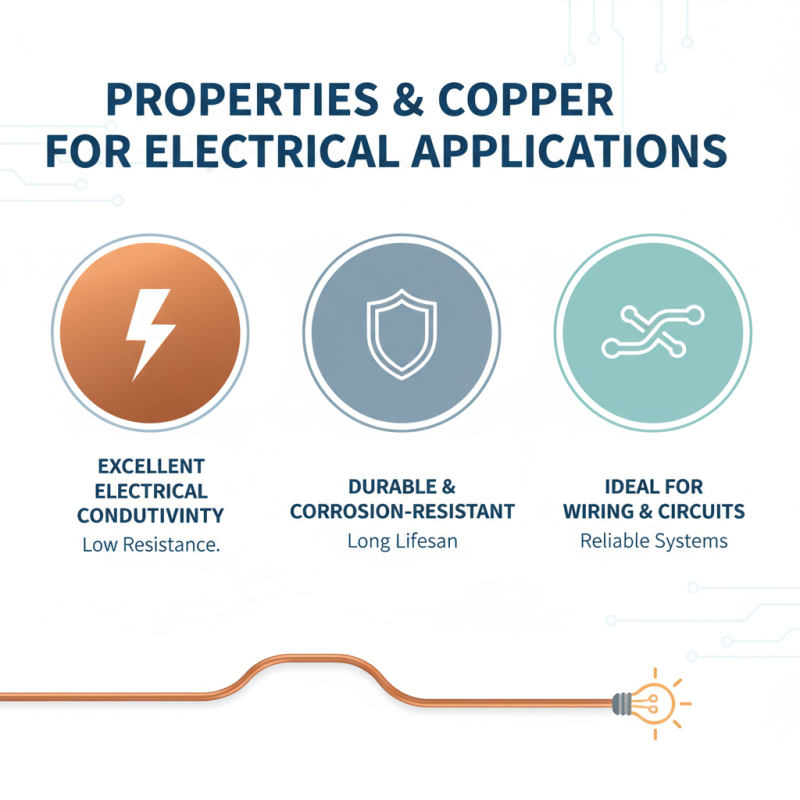
Copper is a standout material for electrical applications, mainly due to its exceptional conductivity. It allows electricity to flow with minimal resistance. This property makes copper strips indispensable in electrical wiring and circuit design. Additionally, copper is durable and resistant to corrosion. Its longevity in various environments enhances the reliability of electrical systems.
TIP: When selecting materials, consider conductivity and durability. Opting for high-quality copper can improve system efficiency.
The malleability of copper also adds to its advantages. It can be easily shaped into strips or wires, allowing for versatility in various applications. This adaptability makes it ideal for everything from household wiring to complex electronic circuits.
TIP: Always assess the application needs before choosing wire thickness. A thicker wire reduces resistance but may be harder to install.
Despite its many benefits, the cost can be a factor. Copper can be more expensive than other materials. However, investing in quality copper often results in better performance and lower maintenance costs over time. Consider the long-term advantages when making decisions.
Comparative Analysis: Copper Strip vs. Other Conductive Materials
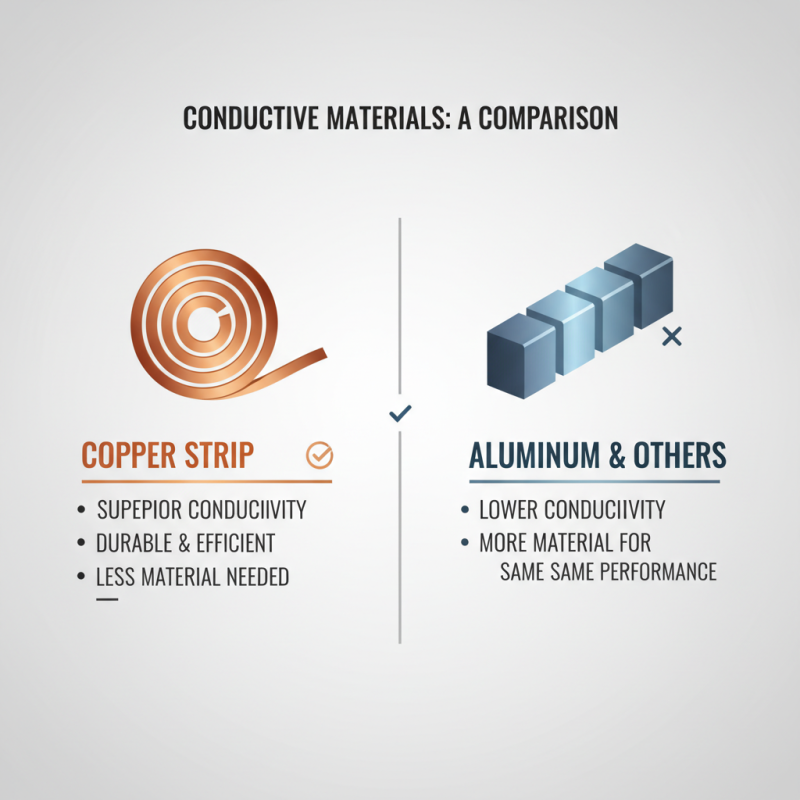
Copper strip is a highly valued material in electrical applications. Its excellent conductivity and durability set it apart. When comparing copper to aluminum, copper demonstrates superior conductivity. This means that less copper is needed for the same electrical performance. It also allows for smaller, lighter electrical systems.
Consider the thermal properties too. Copper has a higher thermal conductivity compared to other metals. This ensures efficient heat dissipation in electrical applications, reducing the risk of overheating. While aluminum is lighter and often cheaper, it lacks the robustness of copper. Aluminum may corrode more easily and has a lower melting point. Such factors can lead to long-term issues in critical electrical settings.
Copper strips also outperform other materials in terms of tensile strength. This gives them enhanced mechanical stability, which is crucial for maintaining connections under stress. Some projects might overlook the benefits of quality materials, leading to failures. A focus on durability and efficiency makes copper the preferred choice in demanding environments. These aspects demand careful consideration when selecting materials.
Applications of Copper Strip in Modern Electrical Systems
Copper strips play a crucial role in the modern electrical landscape. Their excellent conductivity and thermal properties make them indispensable. Reports indicate that copper has a conductivity rating of 59.6 x 10^6 S/m. This high conductivity facilitates efficient energy transfer, reducing losses in electrical systems.
In renewable energy, copper strips are vital for solar panels and wind turbines. They connect photovoltaic cells and ensure optimal energy harvesting. A study shows that the renewable energy sector's demand for copper is expected to rise by 24% by 2025. This increasing reliance highlights the importance of copper strips in sustainable energy solutions.
**Tips:** When selecting copper strips, consider thickness and purity. The right specifications optimize performance. Monitor market trends; prices can fluctuate based on demand. This information can guide timely purchasing decisions, capitalizing on lower costs. The copper industry is not without challenges. Recycling practices must improve to meet growing demands sustainably.
Future Trends in Copper Strip Utilization for Electrical Innovations
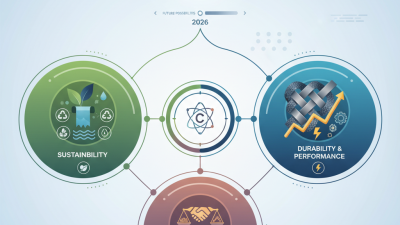
The utilization of copper strip in electrical applications is evolving rapidly. As industries lean towards sustainable technologies, the demand for high-conductivity materials is rising. According to a report from the International Copper Association, global copper demand is projected to grow by 3.3% annually over the next decade. This surge is driven by increased production of
electric vehicles and renewable energy systems.
Future trends indicate a shift toward advanced copper alloys and composites. Innovations in manufacturing techniques are also enhancing the performance of copper strips. The integration of copper in flexible printed circuit boards (FPCBs) is becoming commonplace. These applications highlight copper's pivotal role in miniaturized, high-performance electronics. However, not all applications understand copper's limitations. Issues such as corrosion and degradation require attention.
Tips: When designing electrical systems, consider the environment in which copper will function. Assess factors like humidity and exposure to chemicals. Regular maintenance checks can help mitigate long-term corrosion risks. As industries innovate, collaboration between materials scientists and engineers will be essential. Emphasizing these partnerships can lead to groundbreaking applications and further advance copper's utility in electrical innovations.