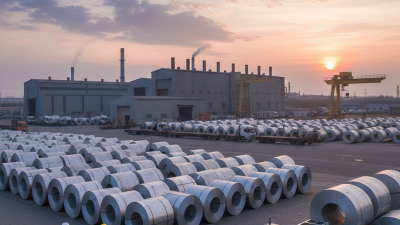
What is Galvalume Coil and Why is it Trending in 2026?
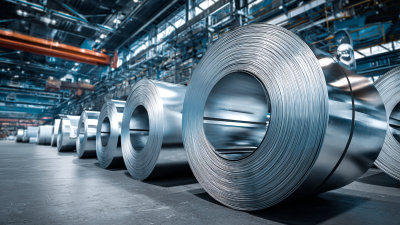
In the ever-evolving world of construction and manufacturing, Galvalume Coil has emerged as a standout material. This product, a combination of aluminum and zinc-coated steel, offers exceptional durability and corrosion resistance. With rising environmental awareness, builders are seeking sustainable options. Galvalume Coil fits this need, as it extends the lifespan of structures while reducing maintenance costs.
As we look into 2026, the trendiness of Galvalume Coil becomes increasingly apparent. Architects and builders praise its aesthetic appeal and versatility. It is lightweight yet robust, making it suitable for roofs, sidings, and industrial applications. However, some industry experts point out that not all Galvalume products are created equal. Variations in coating quality can affect longevity and performance. It is crucial for buyers to research suppliers thoroughly.
Additionally, the shift towards green building practices has elevated Galvalume Coil’s status. Its recyclability aligns well with sustainability goals. However, challenges remain. Some argue that its production processes may still carry environmental footprints. These factors necessitate careful consideration when choosing materials. As Galvalume Coil's popularity grows, both opportunities and reflections on its impact warrant attention.
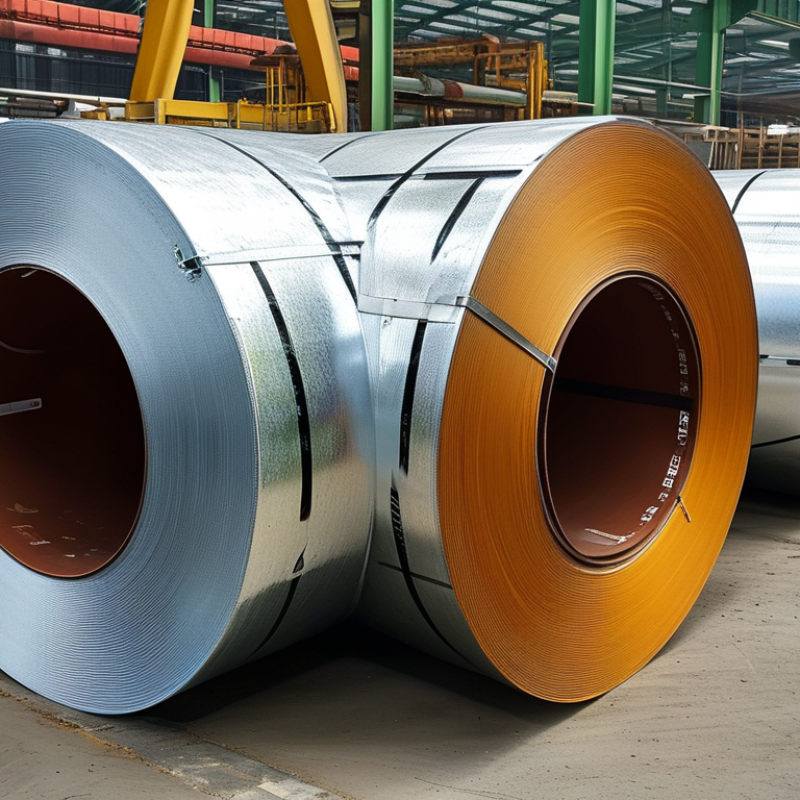
What is Galvalume Coil? An Overview of Its Composition and Properties
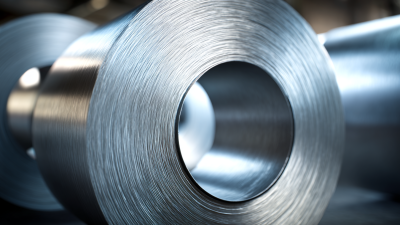
Galvalume coil is a metallic coated steel product, primarily made of steel, aluminum, and zinc. Its composition typically features 55% aluminum, 43.4% zinc, and 1.6% silicon. This unique blend gives it excellent corrosion resistance and durability. According to the American Iron and Steel Institute, Galvalume's lifespan is expected to be significantly longer than traditional galvanized steel, often exceeding 25 years in harsh environments.
Why is Galvalume coil trending in 2026? It’s gaining popularity due to its lightweight properties and energy efficiency. Many industries have started using it in roofing, siding, and manufacturing products because it reflects heat effectively. Recent studies indicate that buildings using Galvalume can lower cooling costs by up to 30%.
Tip: When selecting materials, consider their thermal properties. A well-chosen material can enhance energy efficiency significantly. It’s essential to evaluate your specific needs and consider local environmental conditions. Sometimes, a more traditional material may prove beneficial depending on the application, especially in regions with extreme weather.
The Rise in Popularity of Galvalume Coil: Key Factors for 2026
Galvalume coil is gaining attention in 2026 for several reasons. Its blend of aluminum and zinc creates a robust coating. This enhances resistance against corrosion. As industries seek durable materials, Galvalume fits the demand perfectly.
Construction is one area witnessing this trend. Builders appreciate the longevity of Galvalume. It withstands harsh weather better than many alternatives. This feature can reduce maintenance costs over time. Moreover, its reflective surface promotes energy efficiency, appealing to eco-conscious consumers.
The shift towards sustainable building materials is significant. Galvalume offers a responsible choice, supporting green construction practices. However, it is crucial to consider the environmental impact of production. While it is a superior product, energy consumption during manufacturing can be a concern. Balancing performance with sustainability is vital for future adoption.
Applications of Galvalume Coil in Various Industries and Sectors
Galvalume coil is gaining popularity across various industries in 2026. Its unique composition of zinc, aluminum, and silicon offers significant advantages. This coating improves durability and resistance to corrosion. It can extend the life of products in demanding environments. Industries are increasingly adopting Galvalume coils for roofing, siding, and HVAC systems.
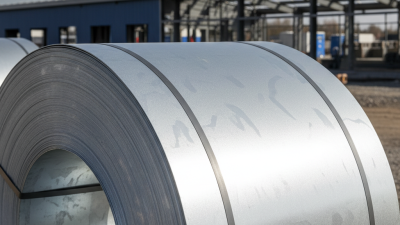
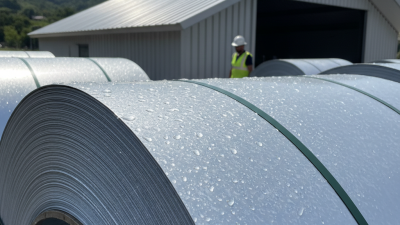
In construction, Galvalume coils are often used for metal roofing. The reflective surface combats heat absorption, improving energy efficiency. This is crucial in areas with extreme temperatures. In automotive manufacturing, Galvalume is used for body panels and components. Its lightweight nature helps improve fuel efficiency while maintaining structural integrity. This material is also popular in agriculture for storage facilities and grain silos due to its resistance to rust.
While Galvalume offers many benefits, it’s essential to understand its limitations. The manufacturing process can be energy-intensive. Additionally, the coating may oxidize in specific environments. These factors can affect long-term performance. Therefore, careful consideration is necessary when choosing Galvalume coils for particular applications or projects. Balancing costs and benefits is key for informed decisions.
Applications of Galvalume Coil in Various Industries (2026)
Comparative Analysis: Galvalume Coil vs. Other Coated Steel Products
Galvalume coil is rapidly gaining popularity in 2026 due to its impressive durability and corrosion resistance. This material is a blend of aluminum and zinc, offering protection to steel. Many industries are switching to Galvalume for its longevity, particularly in roofing and building applications.
In comparison to other coated steel products, Galvalume shows remarkable resistance to rust and oxidation. Traditional galvanized steel often falls short in harsh weather conditions. Galvalume’s unique coating allows it to outperform these alternatives over time, reducing maintenance costs for users.
Tips: Consider the project environment before choosing a coating. While Galvalume offers benefits, it’s essential to assess factors like humidity and exposure. Always consult with experts for tailored solutions to meet your needs. Additionally, testing small samples of different coatings can be beneficial for specific applications.
Sustainability and Longevity: The Environmental Benefits of Galvalume Coil
Galvalume coil is gaining attention in 2026, particularly for its environmental benefits. This product offers a combination of durability and corrosion resistance, making it a favorite among builders and manufacturers. The innovative coating consists of zinc, aluminum, and silicon, which extends its lifespan compared to traditional galvanized steel.
Sustainability is becoming crucial in construction. Galvalume coil is 100% recyclable, reducing waste in landfills. Its long life span means fewer replacements are needed, lowering resource consumption over time. This feature aligns with the growing push towards more sustainable building practices.
However, there are aspects to consider. Some critics argue that while Galvalume is a better option than traditional materials, manufacturing processes still have environmental impacts. The energy required for production can contribute to carbon emissions. It’s essential for the industry to continually assess these factors and strive for improvements. Clear communication about these challenges will help consumers make informed choices.
What is Galvalume Coil and Why is it Trending in 2026? - Sustainability and Longevity: The Environmental Benefits of Galvalume Coil
| Aspect |
Description |
Environmental Benefits |
Longevity |
| Material Composition |
A combination of zinc, aluminum, and silicon. |
Reduced environmental impact compared to traditional materials. |
Potent resistance to corrosion and weathering. |
| Energy Efficiency |
Reflective properties help reduce cooling costs. |
Lower energy consumption leads to reduced carbon footprint. |
Long-lasting performance with a lifespan of over 25 years. |
| Recyclability |
Easily recyclable at the end of its life cycle. |
Minimizes landfill waste and promotes a circular economy. |
Durable lifespan reduces the frequency of replacements. |
| Applications |
Used in roofing, siding, and industrial applications. |
Supports sustainable building practices. |
Proven performance in harsh environments extends service life. |