What is Round Pipe and its Applications in Various Industries?
Round Pipe is a fundamental component in various industries, from construction to manufacturing. It's essential for transporting fluids and gases. Experts in the field emphasize its versatility. John Smith, a seasoned engineer in materials science, stated, “Round Pipe is vital for both strength and flexibility in modern applications.” His insight reflects the critical role of Round Pipe across sectors.
In construction, Round Pipe serves structural needs. It can support loads and withstand environmental stress. The smooth inner surface minimizes friction, enhancing fluid flow in piping systems. Round Pipe finds applications in plumbing, HVAC systems, and even automotive industries. The reliability of these pipes contributes to safer environments.
However, challenges remain. For instance, weld quality can significantly impact performance. Industry standards must be upheld to ensure safety and durability. Continuous innovation is necessary to enhance Round Pipe materials. This evolution is crucial for meeting future demands while addressing current limitations. Observing these factors leads to a deeper understanding of Round Pipe's role in industrial processes.
Definition and Characteristics of Round Pipe
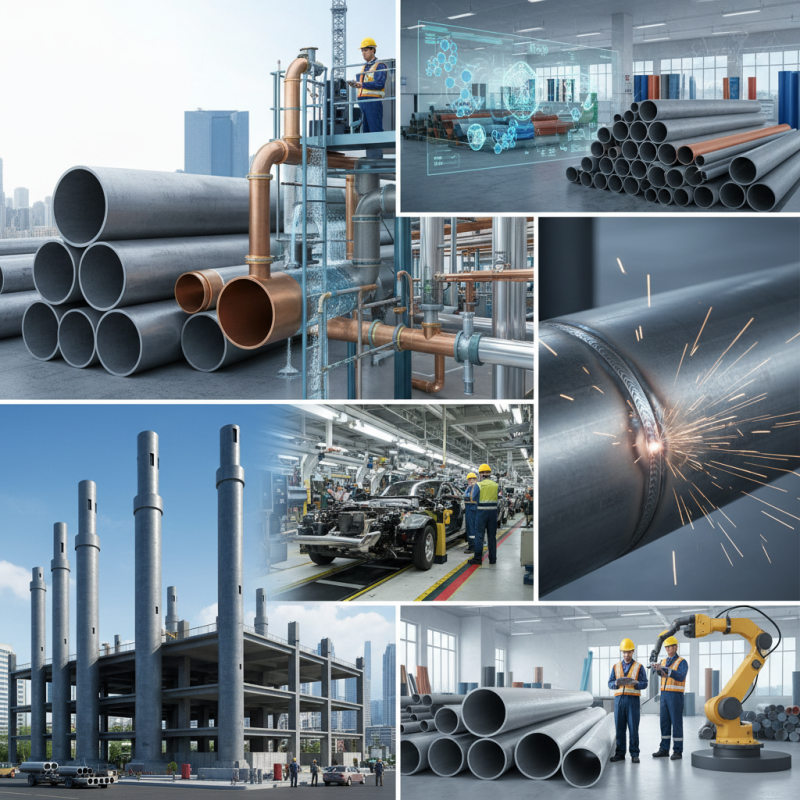
Round pipe is a versatile type of piping that finds its way into many industries. Its smooth cylindrical shape offers several advantages over other forms. Often made from materials like stainless steel or plastic, round pipes have excellent tensile strength. This makes them suitable for transporting liquids and gases. Their uniform diameter allows for consistent flow rates, which is crucial in various applications.
In construction, round pipes are used for structural support and drainage systems. They are lightweight yet robust, making installation easier. In the oil and gas industry, these pipes are essential for transferring fuels safely and efficiently. Their ability to withstand high pressures is vital here. Transport and automotive industries also rely on round pipes for exhaust systems and fluid transport.
However, round pipes are not without challenges. Corrosion can be a concern, especially in harsh environments. Maintenance is often needed to ensure longevity. Industries must also consider the cost of raw materials and installation. These factors can impact the overall effectiveness of using round pipe solutions. Addressing these issues requires careful planning and expertise.
Common Materials Used in Round Pipe Manufacturing
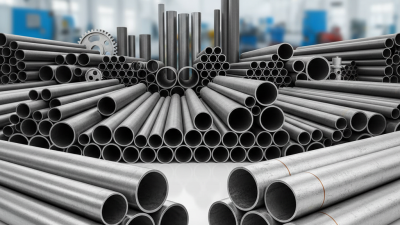
Round pipes are commonly used in various industries, and their manufacturing relies on specific materials. The most prevalent materials for round pipe production include carbon steel, stainless steel, and PVC. Carbon steel is favored for its strength and durability, often used in construction and infrastructure. According to industry reports, the carbon steel pipes market is expected to reach $98.5 billion by 2027, indicating a significant demand.
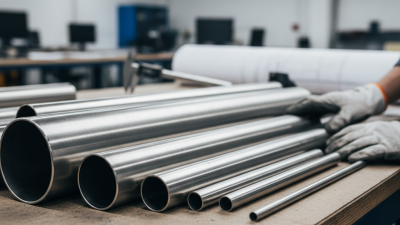
Stainless steel pipes are known for their corrosion resistance and are crucial in the food and pharmaceutical sectors. The global stainless steel pipe market size was estimated at $20 billion in 2023, reflecting its essential role in hygienic applications. Meanwhile, PVC round pipes are lightweight and cost-effective, contributing to plumbing and irrigation systems. The PVC pipe market is projected to grow at a CAGR of 5.8% through 2025.
However, reliance on certain materials can lead to challenges. For instance, while carbon steel pipes offer high strength, they may require additional coatings to prevent rust. Stainless steel, although durable, is more expensive to produce. PVC pipes, while cheaper, can face issues with UV degradation over time. Understanding the pros and cons of each material is key for industries relying on round pipes.
Applications of Round Pipe in Construction Industry
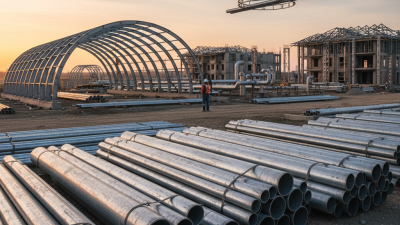
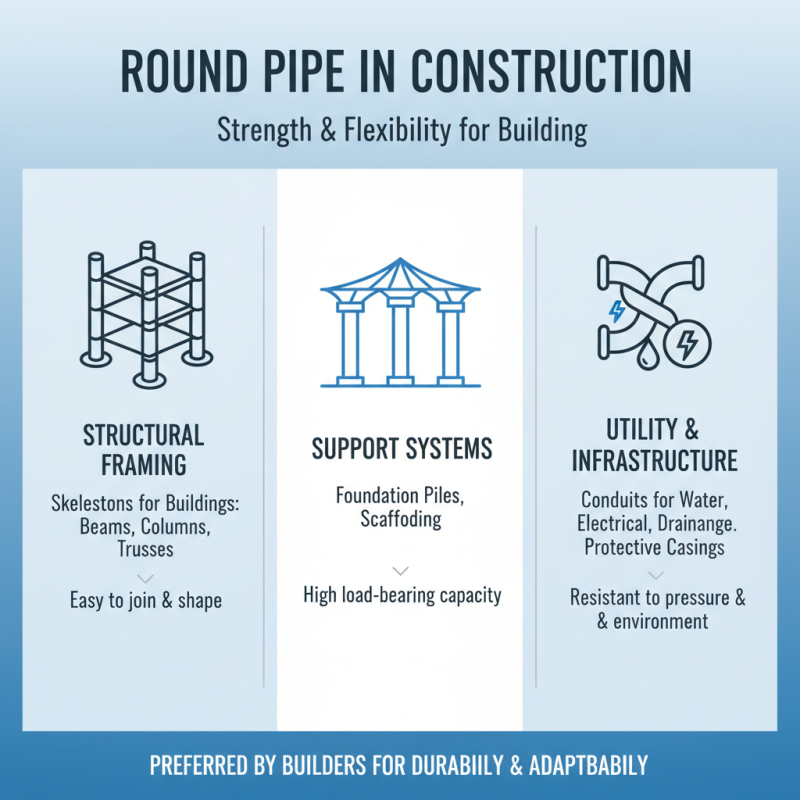
Round pipes play a vital role in the construction industry. They are commonly used for framing structures and providing support. Their circular shape offers strength and flexibility, making them ideal for various applications. Builders often select round pipes for their ability to withstand pressure and withstand environmental factors.
In construction, round pipes are used for scaffolding and plumbing systems. Scaffolding made from round pipes is sturdy and can support workers safely. Similarly, plumbing systems rely on the smooth interior finish of round pipes, which aids in efficient water flow. However, it is essential to choose the right size and thickness for specific tasks to avoid potential failure or inefficiency.
While round pipes provide many benefits, not all projects use them flawlessly. Some builders may overlook proper installation techniques. Misalignment or inadequate support can lead to issues over time. Additionally, the choice of material is crucial; not all pipes perform equally in various environments. Understanding these nuances is vital for ensuring a successful construction process.
Role of Round Pipe in Transportation and Infrastructure
Round pipes play an essential role in transportation and infrastructure projects across various industries. These pipes, often made of steel or PVC, are vital for fluid transport. They move water, gas, and other liquids safely and efficiently. In urban areas, round pipes are commonly used in sewage systems to handle wastewater. This helps prevent flooding and pollution.
In construction, round pipes serve multiple purposes. They are used as structural supports in buildings and bridges. Their cylindrical shape provides strength and stability. However, issues such as corrosion can affect their longevity. Regular inspections are essential to identify vulnerable sections. Engineers often face the challenge of maintaining pipe integrity in harsh environments.
Additionally, round pipes contribute to waste management systems. They transport refuse and recyclable materials for processing. Without sturdy pipes, the efficiency of these systems deteriorates. Pipe selection is crucial. Choosing the wrong material can lead to leaks and failures. Striking a balance between cost and durability is mandatory for industry professionals.
Applications of Round Pipe in Various Industries
This chart illustrates the applications of round pipes across different industries, indicating their usage percentage. The transportation sector has the highest share, followed by construction and manufacturing, reflecting the essential role of round pipes in various applications.
Round Pipe Utilization in Manufacturing and Industrial Processes
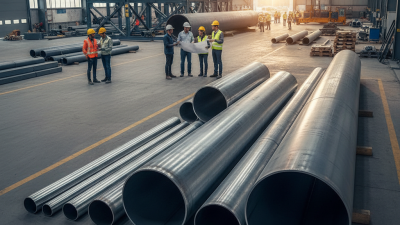
Round pipes are widely used in various industries, crucial for manufacturing and industrial processes. They serve essential roles in fluid transportation, structural applications, and mechanical processes. Industries like construction, automotive, and oil & gas heavily rely on these components. According to a report by Market Research Future, the global market for pipes and tubes is expected to reach 200 billion USD by 2025, reflecting their increasing importance.
In manufacturing, round pipes are utilized for scaffolding, supports, and conveyance systems. Their strength-to-weight ratio makes them ideal for structural applications. For instance, the automotive sector uses round pipes in exhaust systems and frames. A recent study indicated that up to 30% of an automotive vehicle's weight can come from tubular components. However, the industry faces challenges related to the durability of materials under various operational stresses.
In the oil and gas sector, these pipes facilitate the transportation of crude oil and natural gas. Their efficiency impacts both safety and sustainability. A report from the American Petroleum Institute suggests that improper pipe selection can lead to leaks, costing billions in environmental damage. This highlights the need for constant refinement in material selection and quality control. The utilization of round pipes shows both promise and areas that require ongoing assessment.
What is Round Pipe and its Applications in Various Industries?
| Industry |
Application |
Material Used |
Typical Size (mm) |
Key Benefits |
| Construction |
Piping for water supply |
Steel |
20-300 |
Durability, corrosion resistance |
| Automotive |
Exhaust systems |
Stainless Steel |
30-76 |
Heat resistance, longevity |
| Oil and Gas |
Transporting crude oil |
Carbon Steel |
100-600 |
High strength, pressure resistance |
| Manufacturing |
Support structures |
Aluminum |
10-100 |
Lightweight, high corrosion resistance |
| Aerospace |
Fuel lines |
Titanium |
5-30 |
Weight savings, high strength |