Structural Steel Tips for Global Buyers to Maximize Value?
The global structural steel market represents a pivotal sector, valued at approximately $157 billion in 2021 and anticipated to grow steadily. As the industry evolves, buyers must navigate complex supply chains and fluctuating prices. Understanding these dynamics is crucial for maximizing value.
Structural steel is central to construction, offering durability and versatility. Industry reports highlight that it's projected to experience a compound annual growth rate (CAGR) of 5.5% from 2022 to 2030. This growth presents both opportunities and challenges for global buyers. Suppliers may vary significantly in quality and pricing, leading to potential pitfalls for those who fail to conduct due diligence.
With the rising demand for sustainable construction materials, buyers must consider environmental impacts. However, the selection of structural steel often leads to reflection on sourcing practices. What seems like a cost-effective option today may not yield long-term benefits. Maintaining a balance between immediate savings and future reliability requires careful assessment and strategic planning.

Understanding the Importance of Structural Steel Quality for Buyers
Structural steel is vital for construction projects worldwide. Buyers must prioritize quality to ensure safety and longevity. Structural steel’s properties directly affect performance. When the right materials are used, structures can withstand harsh conditions. This not only protects investments but also enhances durability.
Here are some tips to consider. Always check certifications. Valid certifications indicate compliance with international standards. Assess the supplier’s reputation. A reliable supplier has a proven track record. Look for performance testing results. Consistent high performance signifies quality materials.
Additionally, consider the steel's grade. Different grades offer various benefits. For instance, higher grades provide better tensile strength. However, they may come at a higher cost. Always balance quality with budget constraints. Evaluate the total life cycle costs, not just the initial expense. Quality materials may lead to lower maintenance costs in the long run. Such decisions require deep analysis to prevent regrets later.
Key Factors to Consider When Sourcing Structural Steel Globally
When sourcing structural steel globally, buyers must consider several key factors to ensure they maximize value. Understanding the local market dynamics can significantly influence procurement strategies. According to a 2022 report by the World Steel Association, global steel demand is projected to reach 1.8 billion metric tons by 2030, indicating a growing competitive landscape. This demand drives costs and availability, making careful planning essential.
Communication with suppliers is critical. Establishing strong relationships can lead to better pricing and service. Buyers should inquire about the sources of raw materials and the sustainability practices of suppliers. A Deloitte market analysis reveals that companies with a clear focus on sustainability can reduce costs by up to 20%. This practice not only aligns with global standards but also enhances reputational value.
Tip: Assess certifications and quality standards. Compliance with international safety and quality norms can indicate a supplier's credibility.
Furthermore, geopolitical factors can impact steel prices and supply chains. Events like tariffs, trade agreements, and local restrictions require constant monitoring. Understanding these elements can help buyers adapt quickly.
Tip: Maintain flexibility in contracts. This allows adjustments based on market shifts or supplier performance.
Incorporating these strategies will help global buyers navigate the complexities of sourcing structural steel more effectively.
Evaluating Suppliers: How to Assess Reliability and Reputation
Evaluating suppliers in the structural steel industry is crucial for global buyers aiming to maximize value. One reliable approach is to assess a supplier’s operational history. Data indicates that companies with over ten years in the market often have refined processes and experience that new entrants lack. This longevity can correlate with a supplier’s reliability. Recent studies show that 75% of premier suppliers hold certifications, demonstrating compliance with industry standards for quality.
Reputation is another vital factor. Online reviews and testimonials from previous clients can provide insights. Suppliers with a strong online presence and positive feedback typically maintain good customer relationships. A survey found that 68% of buyers prioritize recommendations and reviews before making purchasing decisions. It’s essential, however, to filter out biased reviews. Some might exaggerate success rates or downplay issues.
Pricing isn't the only metric to consider. A low initial quote can hide potential costs in delays or product defects. A thorough evaluation includes checking references and seeking insights from industry connections. Many experienced buyers highlight the importance of visiting a supplier’s facility. Observing operations firsthand can reveal much about their capabilities. The nuances of trust and reliability cannot be overstated, especially in a global supply chain that often faces unexpected challenges.
Supplier Reliability Assessment for Structural Steel
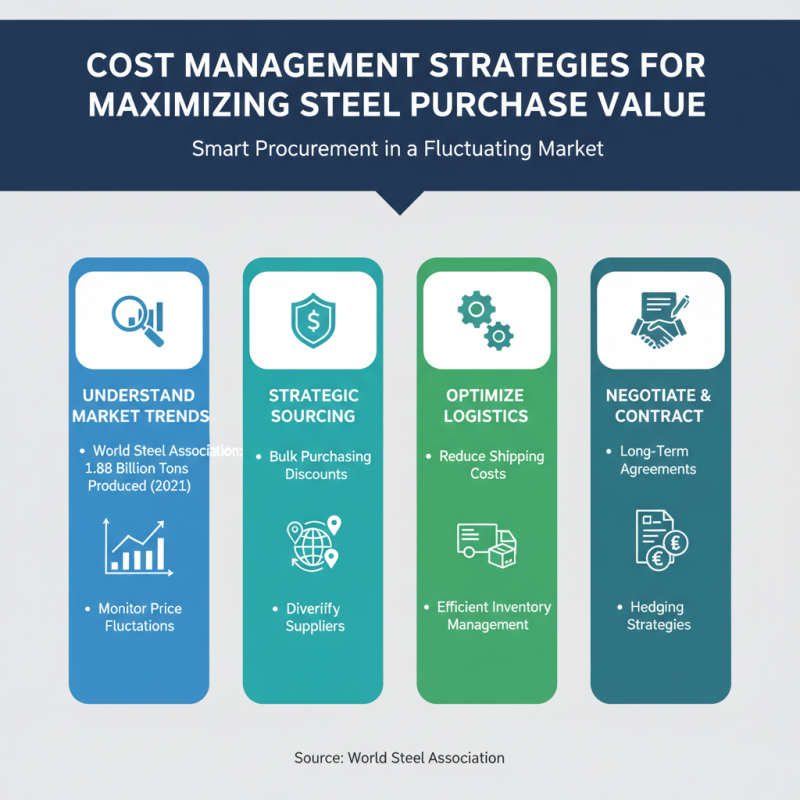
Cost Management Strategies for Maximizing Steel Purchase Value
Cost management in steel procurement is crucial for global buyers. With the recent fluctuations in steel prices, understanding how to navigate these changes can significantly enhance purchasing value. According to the World Steel Association, global crude steel production reached 1.88 billion tons in 2021. This highlights the demand for steel and the competitive landscape that buyers face.
Buyers can adopt various cost management strategies to mitigate risks. Negotiating bulk discounts is one effective approach. In many cases, purchasing larger quantities can lead to lower per-ton costs. Additionally, timely ordering can help shield buyers from sudden price increases. Research indicates that steel prices can rise by 10% in just a few months, making it vital to have a purchasing strategy in place.
Another strategy involves diversifying suppliers. This not only fosters competition but also reduces dependency on a single source. However, buyers must ensure that their suppliers comply with quality standards. Using resources like the Steel Construction Institute can help buyers evaluate supplier reliability. Yet, many companies underestimate the importance of thorough supplier assessments, leading to potential pitfalls in quality and pricing. Balancing cost and quality requires ongoing attention and adjustments.
Effective Negotiation Techniques for International Steel Transactions
Negotiating in the global structural steel market can be daunting. Buyers often face fluctuating prices and varying quality standards. According to a report from the World Steel Association, global steel production reached 1.9 billion tons in 2022, highlighting a competitive landscape. Understanding market dynamics is essential.
Effective negotiation relies heavily on thorough research. Buyers should analyze price trends, which can vary by region and season. Reports indicate that prices can shift up to 20% within a year, depending on demand and supply. Establishing relationships with suppliers helps bridge these gaps. This strategy allows for better terms and more transparency.
Additionally, clarity in communication is vital. Misunderstandings can lead to costly errors. A survey showed that 40% of contract disputes arise from vague terms. Therefore, using precise language can reduce risks. It's also crucial to reflect on previous negotiations. What worked? What didn't? Adjusting strategies based on past experiences can lead to improved outcomes. This iterative process enhances negotiation skills over time.
Structural Steel Tips for Global Buyers to Maximize Value
| Dimension |
Specification |
Negotiation Tips |
Market Insight |
| Welding Quality |
AWS D1.1 / D1.5 |
Request certifications before finalizing |
Premium for certified welders |
| Steel Grade |
S355, S420 |
Negotiate based on material standards |
Higher grades imply higher costs |
| Delivery Time |
Lead time as per contract |
Ensure penalties for delays |
Market demand impacts delivery |
| Pricing Terms |
FOB, CIF |
Clarify all pricing terms upfront |
Compare prices across suppliers |
| Payment Terms |
LC, TT |
Evaluate payment security options |
Flexibility can save costs |