Top 10 Hot Rolled Plate Manufacturers Worldwide
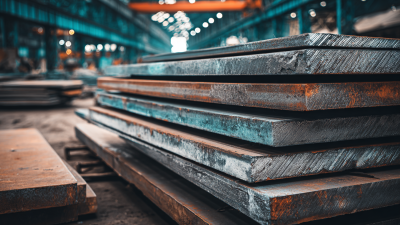
Choosing a reliable Hot Rolled Plate manufacturer affects more than the purchase price. It influences weld quality, fabrication speed, safety, and long-term performance. In heavy fabrication, a plate may arrive with mill scale, uneven edges, or unexpected flatness issues. These details can change cutting time, machining allowances, and project schedules.
This guide examines ten internationally recognized manufacturers serving construction, shipbuilding, energy, transport, and industrial equipment markets. The selection considers production capacity, steel grades, dimensional control, certifications, export experience, and after-sales support. It also reviews practical evidence, including mill test certificates, inspection records, rolling facilities, and delivery performance. Not every buyer needs the largest producer. A regional mill may provide shorter lead times, while an integrated steelmaker may offer stronger traceability and broader grade options.
Both strengths matter. The comparison refers to standards such as ASTM, EN, and JIS, while recognizing regional differences in testing and documentation. Readers should verify current product data, factory approvals, and delivery terms before signing contracts. A certificate alone does not guarantee consistent service. Supplier audits, sample reviews, and clear technical specifications remain important. No ranking is permanent. Energy costs, capacity changes, trade rules, and production strategies can quickly alter market positions. Some public information may also be incomplete, and that limitation deserves attention. Use this guide as a practical starting point, not a final purchasing decision. The strongest choice balances metallurgy, traceability, service, and total cost rather than brand visibility alone.
What Hot Rolled Plate Is and How It Is Produced
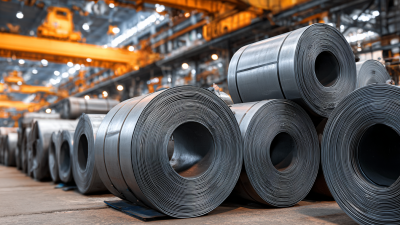
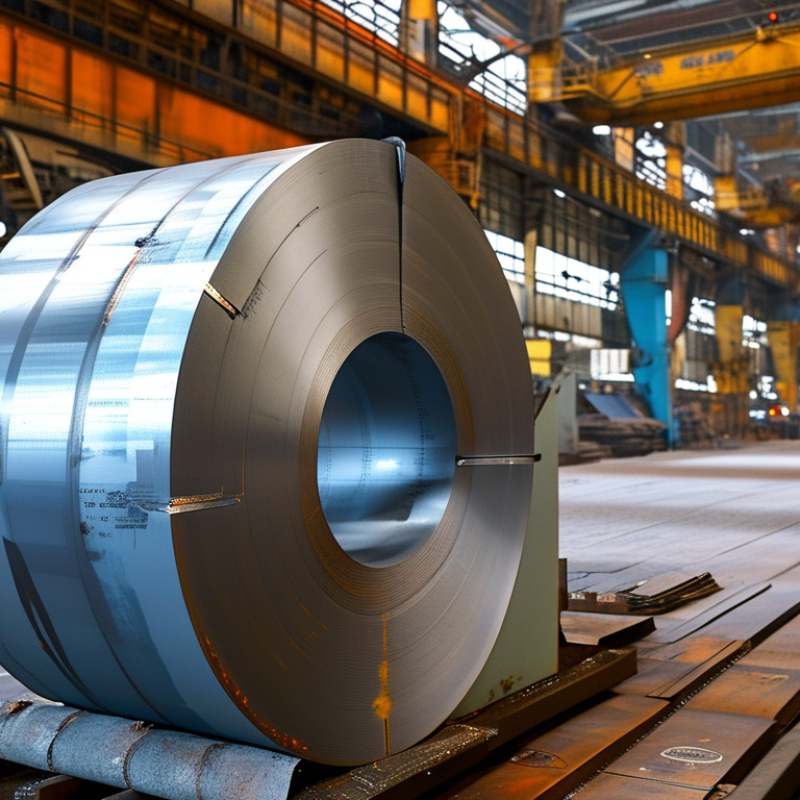
Hot rolled plate is flat steel formed at high temperatures, usually above its recrystallization range. It is widely used in bridges, machinery, storage tanks, and heavy structural frames. The process begins with a cast slab, which is reheated to roughly 1,100–1,250°C. At this temperature, the steel becomes easier to deform. Large rollers then reduce the slab’s thickness and extend its length. Roughing stands make the first reductions. Finishing stands control the final dimensions more closely.
High-pressure water removes surface scale during rolling. Cooling follows the final pass. Its speed affects strength, hardness, and internal stress. Not every plate cools evenly. Edge areas may lose heat faster than the center. That detail matters. After cooling, the plate may be straightened, cut, and inspected. Technicians check thickness, flatness, surface condition, and chemical composition. Ultrasonic testing can reveal internal discontinuities that visual checks cannot detect. Test samples also help verify tensile strength and impact performance.
Experienced producers rely on calibrated gauges, controlled furnace records, and trained operators. Still, no production line is perfectly uniform. Small temperature shifts can change grain structure and final properties. Engineers should review the intended service conditions before selecting a grade or thickness. A plate for a low-temperature structure may require different toughness than one used in ordinary fabrication. Careful process control reduces variation, but it does not remove the need for independent inspection.
Top 10 Hot Rolled Plate Manufacturers Worldwide - What Hot Rolled Plate Is and How It Is Produced
Hot rolled plate is steel that is reheated above its recrystallization temperature and reduced to the required thickness through a series of rolling passes. The chart shows representative temperatures used during the main stages of a typical hot rolling process.
Temperatures are typical industrial reference values and may vary according to steel grade, plate thickness, mill design, and cooling practice.
How the Top 10 Manufacturers Are Selected and Ranked
Ranking the top ten hot rolled plate manufacturers requires more than comparing annual output. We begin with evidence. Data comes from audited reports, plant visits, product certificates, shipment records, and interviews with fabricators. We verify whether stated capacity matches operating lines, furnace schedules, plate dimensions, and delivery performance. Hands-on feedback reveals problems that spreadsheets often miss. A large mill can still disappoint when thickness tolerance changes between batches. That detail matters.
Quality receives the highest weighting, but it is not judged by brochures. We compare tensile strength, yield strength, flatness, surface condition, weldability, and test repeatability. Independent laboratory results support the technical review. Commercial strength also matters. We measure order flexibility, minimum quantities, export experience, lead-time stability, and after-sales response. For reliability, we review nonconformity rates, corrective actions, traceability systems, and complaint records. Environmental performance includes energy intensity, recycled input, emissions controls, water use, and waste handling. These factors are scored against a common framework, then checked by specialists with steel-processing experience.
The ranking is not perfectly objective. Public data can be incomplete, while regional reporting standards differ. We therefore disclose the scoring weights and separate verified results from company claims. Recent performance receives more weight than old reputation. Still, one unusual production outage can distort a single-year result. That weakness deserves attention. Scores are reviewed across several periods and adjusted when evidence changes. Price alone never decides the list. A lower quote may hide weaker consistency, slower support, or higher inspection costs. The final ten represent the strongest balance of measurable quality, dependable supply, technical capability, and transparent evidence available during the review.
Product Grades, Standards, and Industrial Applications
Top 10 Hot Rolled Plate Manufacturers Worldwide
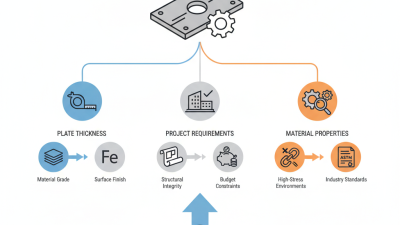
When comparing the top ten hot rolled plate manufacturers worldwide, product grades reveal more than production volume. Common carbon steel grades include ASTM A36, EN S235JR, EN S355JR, JIS SS400, and Q235B. Their chemistry and yield strength differ, even when the plates look similar. Grade selection should match the design load, welding method, and service temperature.
Standards matter just as much. ASTM, EN, JIS, and ISO systems define dimensions, testing, tolerances, and mechanical performance. A reliable supplier should provide mill test certificates, heat numbers, ultrasonic inspection records, and clear traceability. Traceability matters. Plate thickness can range from 6 mm structural sheets to heavy sections above 100 mm. Surface condition also deserves attention. Scale, edge cracking, or uneven flatness may increase preparation time. That sounds tidy, but real orders are less tidy.
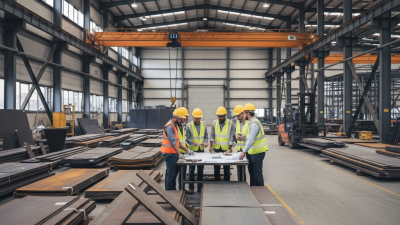
Industrial applications vary by grade and thickness. Construction frames often use S235JR or A36 for moderate strength and easy fabrication. S355JR supports heavier loads in bridges, platforms, and machinery bases. Shipbuilding, pressure-related equipment, storage tanks, mining machinery, and energy infrastructure may require tighter impact or inspection requirements. Fit is everything. Buyers should check delivery condition, cutting tolerances, weldability, and local certification needs before comparing prices. A low-cost plate may become expensive after repairs, extra testing, or delayed fabrication. Manufacturer rankings can guide research, but documented performance and consistent quality deserve greater weight.
Comparing Quality, Capacity, Sustainability, and Global Reach
Quality starts with repeatability, not a glossy certificate. Buyers should inspect tensile strength, impact toughness, flatness, thickness tolerance, and heat-number traceability. Independent tests matter. ISO 6892-1 tensile testing and ultrasonic inspection records expose inconsistencies that brochures often hide. Capacity is not quality. World crude steel production reached 1,888.2 million tonnes in 2023, according to World Steel Association data in World Steel in Figures 2024. Yet plate availability depends on rolling width, furnace maintenance, port access, and delivery discipline. Large output can still produce delays. Regional stockyards and documented contingency plans often matter more than headline tonnage.
Sustainability requires measurable boundaries. The International Energy Agency estimates that iron and steel production creates about 2.6 gigatonnes of direct carbon dioxide emissions annually, near 7% of global energy-system emissions. Serious comparisons should examine scrap share, electricity sources, energy intensity, water use, and verified emissions data. Carbon claims need evidence. Environmental Product Declarations and third-party audits help, although methodologies remain imperfect. Global reach is visible in more than export maps. UNCTAD’s Review of Maritime Transport 2024 states that ships carry over 80% of world trade by volume. Still, distant sourcing may add customs risk, port congestion, and expensive emergency freight. That is my reservation. A nearby service center can be more valuable than another million tonnes of theoretical capacity.
Top 10 Hot Rolled Plate Manufacturers Worldwide — Comparing Quality, Capacity, Sustainability, and Global Reach
| Rank |
Anonymous Producer |
Primary Region |
Estimated Hot-Rolled Plate Capacity
(Mt/year) |
Maximum Plate Width
(mm) |
Maximum Thickness
(mm) |
Principal Quality Standards |
Estimated Scope 1+2 Intensity
(tCO₂e/t steel) |
Renewable Electricity Share |
Export Market Coverage |
| 1 |
Producer A |
East Asia |
20–30 |
4,000 |
400 |
ASTM, EN, JIS, API, offshore and shipbuilding grades |
1.70–2.00 |
10–20% |
70+ countries |
| 2 |
Producer B |
Western Europe |
10–20 |
4,100 |
300 |
EN 10025, ASTM, API, pressure-vessel and automotive grades |
0.90–1.30 |
45–65% |
50+ countries |
| 3 |
Producer C |
North America |
8–15 |
3,800 |
305 |
ASTM, API, AASHTO, military and structural grades |
1.20–1.60 |
20–35% |
20+ countries |
| 4 |
Producer D |
East Asia |
12–18 |
3,600 |
350 |
JIS, ASTM, EN, API and marine structural grades |
1.60–1.90 |
5–15% |
50+ countries |
| 5 |
Producer E |
Northern Europe |
6–12 |
4,000 |
250 |
EN 10025, offshore, wear-resistant and energy-sector grades |
0.80–1.20 |
60–90% |
40+ countries |
| 6 |
Producer F |
South Asia |
7–12 |
3,500 |
250 |
ASTM, EN, API, structural and pressure-vessel grades |
1.80–2.20 |
10–25% |
30+ countries |
| 7 |
Producer G |
Central Europe |
5–10 |
3,800 |
300 |
EN, ASTM, API, rail, bridge and heavy-engineering grades |
1.00–1.40 |
35–55% |
35+ countries |
| 8 |
Producer H |
Middle East |
4–8 |
3,300 |
200 |
ASTM, EN, API, construction and oil-and-gas grades |
1.70–2.10 |
5–15% |
25+ countries |
| 9 |
Producer I |
South America |
3–7 |
3,200 |
200 |
ASTM, EN, API and general structural grades |
1.50–1.90 |
25–45% |
20+ countries |
| 10 |
Producer J |
Southeast Asia |
2–6 |
3,000 |
150 |
ASTM, EN, JIS and regional construction grades |
1.80–2.30 |
5–20% |
15+ countries |
Note: Capacity, carbon-intensity and renewable-electricity figures are rounded public-data ranges for comparable integrated and electric-arc-furnace steelmaking operations. Actual hot-rolled plate availability varies by mill configuration, product mix, qualification status and reporting year.