Top 10 Steel Pipe Suppliers in China for Global Buyers?
The global steel pipe market has experienced significant growth, driven by rising infrastructure projects. According to a report by Mordor Intelligence, the market is projected to reach USD 315 billion by 2026. This demand reflects the importance of steel pipes in various sectors, including construction, oil and gas, and manufacturing.
China plays a crucial role in this market. The country is the largest producer of steel pipes, accounting for over 50% of global production. However, navigating through countless suppliers can be challenging for international buyers. Quality assurance and reliability are key factors in this industry. Many suppliers face issues with inconsistent quality control, leading to potential project delays.
In this competitive landscape, understanding supplier capabilities is vital. Buyers should consider not only pricing but also the expertise and reputation of these suppliers. The top 10 steel pipe suppliers in China stand out due to their adherence to international standards and innovative practices. This overview aims to guide global buyers in identifying reputable suppliers in a complex market.
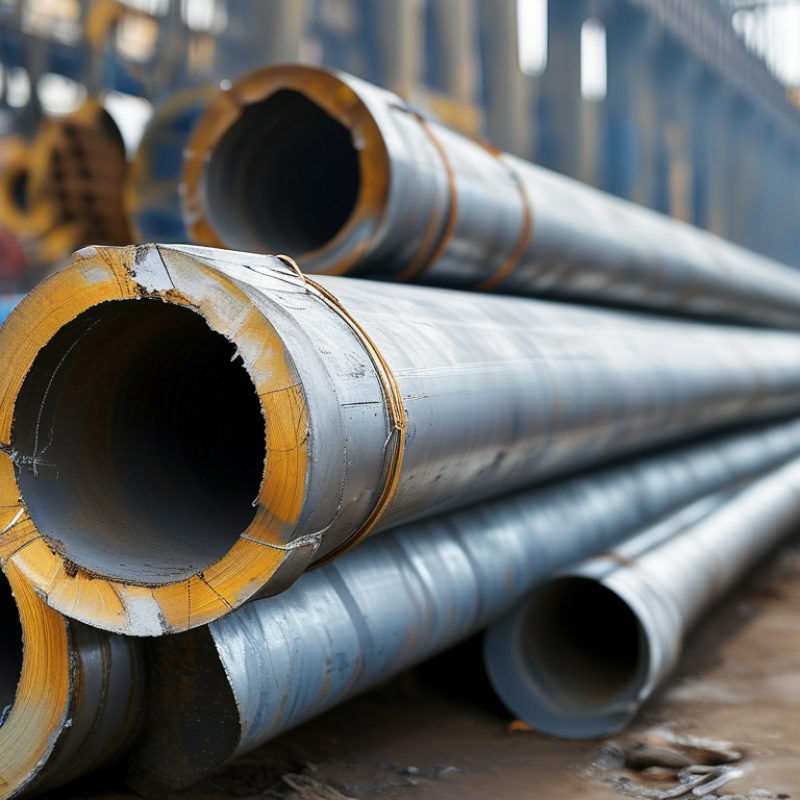
Top Steel Pipe Production Statistics in China for 2023
China is a significant player in the global steel pipe market. In 2023, production statistics reveal that China's steel pipe output reached approximately 40 million tons. This accounts for over 50% of the world's total steel pipe production. The construction and energy sectors are major drivers of this demand. These industries require high-quality pipes for infrastructure and energy projects.
A notable trend is the increasing use of seamless steel pipes. Reports indicate that seamless pipes are gaining popularity due to their strength and reliability. In addition, the rise of renewable energy projects is creating new demand for specialized steel products. However, challenges remain. Overcapacity and environmental regulations could impact production levels.
Tips: When sourcing steel pipes, consider quality certifications. Verify suppliers' compliance with international standards. Look for suppliers with reliable delivery schedules. Always assess market trends before making purchasing decisions.
Key Criteria for Selecting Steel Pipe Suppliers Globally
When choosing steel pipe suppliers globally, several key criteria should be considered. Quality assurance is paramount. Recognized certification standards, like ISO 9001, ensure that suppliers adhere to quality management principles. In addition, the American Society for Testing and Materials (ASTM) offers specifications that can further validate the reliability of materials used in production.
Pricing remains a central factor for many global buyers. Market data indicates that fluctuating steel prices can significantly impact overall costs. According to industry reports, the global steel pipeline market is projected to grow, impacting price variance. Conducting thorough cost analysis becomes essential when selecting suppliers. Prices should align not only with budget constraints but also with the quality offered.
Supplier reliability is crucial. On-time delivery and consistent supply help maintain project momentum. Suppliers should have a proven track record of meeting deadlines. Communication is also significant. A responsive supplier can navigate challenges effectively.
**Tips:** Look for suppliers with comprehensive logistical solutions. Assess their ability to support your supply chain. Always check customer reviews; they can reveal potential issues.
Analysis of Market Share Among Leading Chinese Steel Pipe Manufacturers
The steel pipe industry in China is rapidly evolving. Leading manufacturers exhibit diverse market shares. Some companies dominate with significant production capacities. Others focus on niche segments with specialized products. This dynamic landscape impacts global buyers, influencing procurement strategies.
Market analysis indicates a trend toward consolidation among suppliers. Larger firms expand their reach, increasing competitiveness. Smaller manufacturers struggle to maintain market share. The competition drives innovation, though not all companies adapt effectively. Quality and reliability are concerns for many buyers.
Global buyers must navigate this complex market. Understanding each supplier's strengths is essential. Some manufacturers excel in specific applications, while others maintain lower costs. Tracking the latest developments helps buyers make informed decisions. Still, the market's volatility requires continuous assessment.
Top 10 Steel Pipe Suppliers in China for Global Buyers
This bar chart illustrates the market share percentages of the top 10 steel pipe suppliers in China. The data reflects the competitive landscape among leading manufacturers, providing insights into their distribution of market share.
Comparative Review of Quality Standards in Chinese Steel Pipes
The steel pipe industry in China presents a variety of quality standards. Buyers looking for reliable suppliers often face challenges. Differences in manufacturing processes can lead to significant variations in product quality.
Quality control measures vary widely among suppliers. Some prioritize stringent testing procedures while others may cut corners. It is not uncommon to find inconsistencies in pipe dimensions and strength. This makes it essential for buyers to conduct thorough research.
Moreover, certifications play a crucial role in determining quality. However, not all recognized standards are strictly adhered to. Understanding these nuances is vital for procurement decisions. Buyers often overlook the importance of this knowledge, leading to potential future issues. Balancing cost with quality remains a key challenge in sourcing steel pipes from China.
Insights into Supply Chain Dynamics for Steel Pipes in International Trade
The global steel pipe supply chain holds immense importance for buyers. Understanding the dynamics is crucial to making informed purchasing decisions. China is a significant player in this market, known for its high production capacity. However, challenges exist within the supply chain, including quality control, lead times, and fluctuating steel prices.
Tips for global buyers: Always verify the quality certifications from potential suppliers. This step ensures compliance with international standards. Keep an eye on the steel price trends, as they can affect your budget. A sudden spike in prices can strain relationships and budgets.
Communication is vital. Establish clear lines of dialogue with suppliers early on. Discuss expectations to avoid misunderstandings later. Several buyers have reported inconsistent experiences due to unclear communication.
Finally, consider diversifying your supplier base. Relying on one source may seem safer, but it can be risky. A diversified approach allows for flexibility and can mitigate risks tied to a single supplier. Think about these strategies and reflect on your current supply chain practices for continuous improvement.