Top Uses for Galvanized Plate in Construction and Industry?
In the world of construction and industry, the importance of "Galvanized Plate" cannot be overstated. Renowned expert John Smith, a veteran in structural engineering, emphasizes this by stating, “Galvanized plates offer unmatched durability, essential for both industrial and construction applications.” This material is integral in a wide range of uses, from roofing to frameworks. It resists corrosion, which makes it a preferred choice for many projects.
Industrial environments often push materials to their limits. Galvanized plates meet these challenges head-on. Their strength and resistance to environmental factors make them vital for equipment and structural support. However, it's essential to consider that not all galvanized plates are created equal. The process of galvanization can vary, affecting quality and performance.
Many professionals recognize that while galvanized plates are reliable, there are occasions where their use might not be optimal. Misjudgments in thickness or application can lead to failures. Thus, a deeper understanding of specific project requirements is critical for successful implementation. Using galvanized plates effectively requires a balance of expertise and experience in the field.
Overview of Galvanized Plates in Construction and Industry
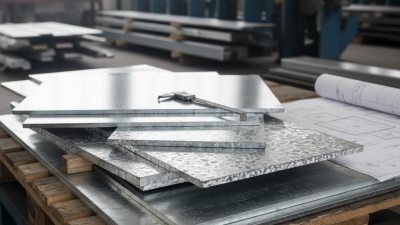
Galvanized plates play a crucial role in construction and industry. They are steel sheets coated with zinc. This process provides excellent corrosion resistance, making them ideal for various applications. The durability of galvanized plates helps in reducing maintenance costs over time. They are often used in structural components, roofing, and fencing.
In addition to corrosion resistance, galvanized plates are lightweight. This characteristic simplifies transportation and handling on job sites. Builders and manufacturers appreciate the quick installation process. Galvanized plates are also versatile; they can be cut and shaped easily to meet specific needs. Despite their many benefits, one must ensure proper application to maximize performance.
While galvanized plates offer numerous advantages, challenges remain. Not every application may benefit equally from this material. Some environments may still pose risks of corrosion under specific conditions. Therefore, understanding the context of use is essential. Careful consideration is needed for optimal results. Choosing the right materials is a thoughtful process that requires expertise and experience.
Benefits of Using Galvanized Plates: Durability and Corrosion Resistance
Galvanized plates are widely used in construction and various industries due to their superior durability and corrosion resistance. The hot-dip galvanizing process coats steel with a protective layer of zinc. This provides excellent protection against rust and environment-related wear. In harsh environments, galvanized plates significantly outlast other materials.
The longevity of galvanized plates is one of their key benefits. They require less maintenance than uncoated steel. This results in lower costs over time, especially in structural applications. While on the surface this seems straightforward, the truth is that not all galvanized plates are equal. Variation in zinc thickness and the quality of the base steel can impact performance.
Another aspect worth discussing is the aesthetic factor. While galvanized plates can appear rough, they offer a unique industrial look. This might not be ideal for every project. However, many industries embrace this rugged appearance. Environmental conditions can also affect how quickly the protective layer wears away. It remains important to consider the specific circumstances of each application.
Key Applications of Galvanized Plates in Construction Projects
Galvanized plates are extensively used in construction projects due to their corrosion resistance. They are coated with zinc, which protects the underlying steel from rust. According to a recent report by the American Galvanizers Association, galvanized steel can last up to 50 years in many environments. This longevity reduces replacement costs and enhances project sustainability.
In building construction, galvanized plates are commonly used for structural components, roofing, and wall panels. Their ability to withstand harsh weather conditions makes them ideal for both commercial and residential projects. In industrial settings, these plates are often utilized in machinery frames and as protective barriers. Their versatility is unmatched, meeting various structural needs efficiently.
Tip: When selecting galvanized plates, consider the environment. Areas with high humidity or salt exposure may require additional protective measures. Always ensure the coating meets industry standards for maximum efficacy.
Navigating the procurement of galvanized plates can be challenging. Price fluctuations and availability issues may arise. It's essential to plan ahead and source materials from multiple suppliers to avoid project delays. Balancing cost and quality is crucial for optimal results.
Role of Galvanized Plates in Industrial Manufacturing and Equipment
Galvanized plates play a crucial role in industrial manufacturing and equipment. They are made by coating steel with zinc to prevent corrosion. This process increases the lifespan of the material, making it ideal for various applications. Galvanized plates are commonly used in construction, automotive, and fabrication industries. Their resistance to rust makes them suitable for equipment exposed to harsh environments.
In manufacturing, galvanized plates can be found in structural supports, brackets, and framework. These components benefit from the added durability and strength provided by the zinc layer. Many manufacturers appreciate how galvanized plates enhance product longevity, reducing maintenance costs over time. However, the challenge lies in properly welding these plates. Not all welding techniques work effectively, and improper methods can lead to weakened joints.
In the equipment sector, galvanized plates are essential in creating machinery and tools that withstand corrosion. Manufacturers face the dilemma of balancing cost and quality. While galvanized materials may seem pricier initially, their long-term benefits often justify the expense. Engineers and designers must remain vigilant about selection criteria to avoid potential pitfalls. This ensures that the right materials are used for specific applications, preventing unnecessary failures in the field.
Comparative Analysis: Galvanized vs. Other Materials in Building and Industry
Galvanized plates are crucial in construction and industry. They provide enhanced corrosion resistance, which prolongs their lifespan. A report from the American Galvanizers Association noted that galvanized steel can last over 50 years in various environments. This durability reduces maintenance costs and material replacements, making it a favorable option.
In comparison, other materials such as aluminum and stainless steel offer different benefits. Aluminum is lightweight, yet it lacks the strength found in galvanized plates. Stainless steel, though strong and corrosion-resistant, often comes at a higher cost. According to a study by World Steel Association, galvanized steel can be up to 30% cheaper than stainless steel while offering similar durability in many applications.
However, the choice of material depends on specific project requirements. Galvanized plates can be unsuitable for environments with extreme temperatures. In such cases, aluminum might be the better choice. Understanding these nuances is essential in making informed decisions for construction and industrial projects.