How to Choose the Right Metal Coils for Your Business Needs?
Choosing the right metal coils can significantly impact your business operations. According to a recent report from the Metal Construction Association, the metal coil industry is projected to grow at a rate of 4.5% annually, emphasizing the increasing demand for high-quality materials. These coils serve various sectors, including automotive, construction, and electronics, highlighting their versatile applications and importance.
Metal coils are crucial for ensuring product durability and performance. However, businesses often face challenges in selecting the right type. With numerous alloys and finishes available, making an informed decision requires expertise. According to industry professionals, many businesses overlook the significance of corrosion resistance, which can lead to costly maintenance and replacements down the line.
Understanding the specifications of metal coils is essential. The right choice can enhance productivity and reduce waste. Research indicates that roughly 30% of companies do not fully utilize the potential of their selected materials. This oversight may hinder growth and innovation. Finding suitable metal coils demands careful consideration of your specific needs and future goals.
Identifying Different Types of Metal Coils and Their Properties
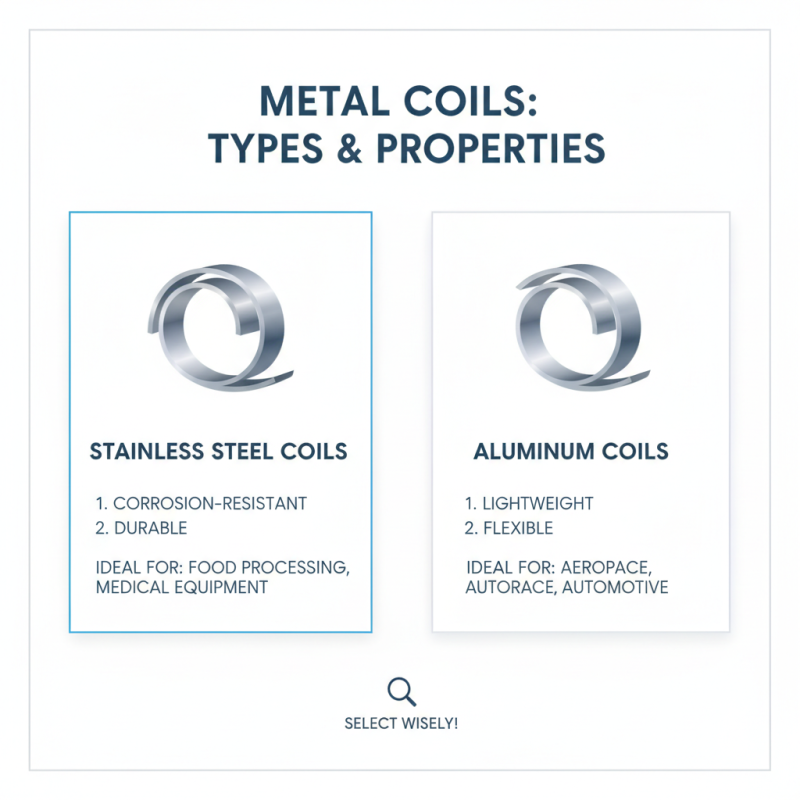
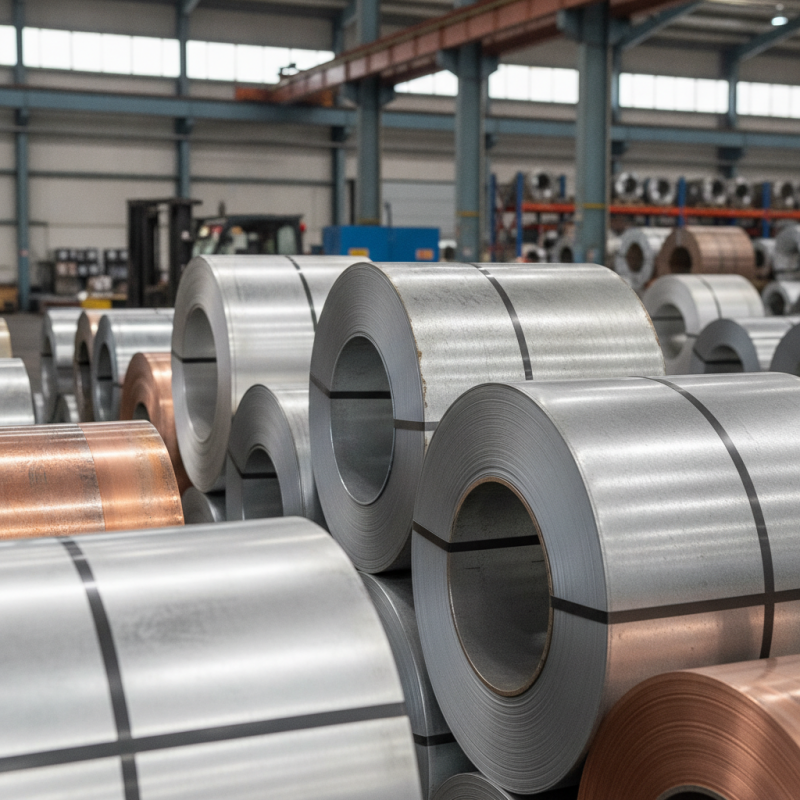
When selecting metal coils, understanding their types and properties is essential. Different metals serve varying purposes. For instance, stainless steel coils are corrosion-resistant and durable. They are ideal for food processing and medical equipment. Aluminum coils, on the other hand, are lightweight and flexible. They often find applications in aerospace and automotive industries.
Thickness, tensile strength, and finish are key properties to consider. Thicker coils can withstand more pressure. However, they are also heavier and may require more energy during processing. Surface finish impacts aesthetic appeal and functionality. Smooth finishes can enhance corrosion resistance, while textured surfaces may provide better grip.
Selecting the right coil requires careful thought. You might feel overwhelmed by choices. Reflecting on specific project requirements can help narrow down options. Consider durability, weight, and application. An informed choice not only enhances product quality but also affects overall costs. Taking time to research different types can yield better results.
Assessing Your Business Requirements for Metal Coil Applications
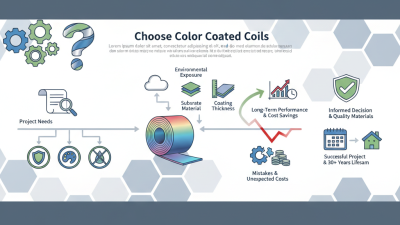
Assessing your business requirements for metal coil applications involves several key components. It's essential to identify the specific needs of your industry. Different applications require varied types of metal coils, such as aluminum, steel, or copper. Each material has unique properties that cater to distinct functions. Consider the environmental conditions your metal coils will face, such as temperature, humidity, or chemical exposure. This helps ensure durability and performance.
Next, determine the thickness and width of the coils you need. Custom dimensions can significantly impact your production process. Think about the end products you will create. Will they be lightweight and flexible, or heavy-duty and rigid? Understanding these aspects allows for better planning.
Finally, engaging with industry experts can bring valuable insights. They can help you navigate the technical specifications and standards necessary for your applications. Remember, production requirements can change over time, necessitating adjustments in your metal coil choices. Regularly review your operations to ensure you continue meeting your evolving needs.
Metal Coil Applications Assessment
Evaluating Quality Standards and Specifications for Metal Coils
When evaluating metal coils for your business, understanding quality standards is crucial. According to the Metal Service Center Institute, over 70% of industry professionals believe that adhering to established specifications directly impacts performance and longevity. Different industries require specific standards, including ASTM and SAE, which dictate the metallurgy and finish of the coils. Familiarity with these guidelines enhances your ability to select appropriate products that meet your operational needs.
Quality assurance measures also play a pivotal role. A study by the Association of Metal Producers indicated that 60% of quality-related issues stem from improper material specifications. This means that investing time in understanding material properties, such as tensile strength and corrosion resistance, is essential. Even minor deviations in thickness or coating can lead to significant problems down the line. Companies must assess their requirements carefully to avoid costly mistakes.
It's also worth noting that not all suppliers may meet these standards consistently. Discrepancies can exist even within the same industry. The best approach is to independently verify certifications and conduct regular quality checks. Engaging with suppliers who prioritize transparency may yield more reliable materials. Furthermore, being aware of the specific application environment can help refine your choices even further.
Understanding the Cost Factors Associated with Metal Coils
Choosing the right metal coils for your business is not just about quality. It's essential to understand the cost factors involved. The price of metal coils can vary significantly based on several components. For instance, the type of metal used and its thickness can greatly impact costs. Coil coatings and finishes also play a critical role. Some finishes are more expensive due to their durability and aesthetics.
Market fluctuations contribute to price changes. If demand is high, costs increase. Conversely, during lower demand periods, prices may drop. It’s crucial to be adaptable and to analyze market trends regularly. This approach helps in budgeting effectively, yet it can feel overwhelming for some businesses.
Additionally, while seeking lower costs is tempting, compromising on quality might lead to more significant issues, such as increased waste or rework. Balancing cost and quality is a delicate process. Engaging with suppliers who understand your needs can be beneficial, but finding those suppliers takes time and effort. Continuous evaluation of costs and quality is essential for long-term success.
Sourcing and Supplier Considerations for Metal Coils Selection
Selecting the right metal coils for your business demands careful consideration of various factors. One critical element is sourcing. Understanding where to source your metal coils can significantly impact quality and cost. Look for suppliers who provide detailed specifications and transparent sourcing processes. This not only helps ensure the material's reliability but also builds trust.
When evaluating potential suppliers, consider their experience and reputation in the industry. A reliable supplier should have a proven track record and positive client feedback. Don't hesitate to ask for references or case studies to gauge their capabilities. Quick responses to inquiries can also indicate their commitment to customer service.
Tips: Always start with small test orders. This allows you to assess the quality of the metal coils without a large upfront investment. Be cautious of suppliers offering prices that seem too good to be true. This may indicate compromised quality or hidden costs later. After sourcing, keep communication lines open. Regularly discuss performance and any concerns with your suppliers. Adaptability is key in maintaining a strong business relationship.