2026 Best Galvanized Coil Buyers Guide for Global Procurement?
In the dynamic world of global procurement, understanding the intricacies of Galvanized Coil is essential. As industries evolve, the demand for high-quality galvanized products continues to rise. This guide will assist buyers in navigating the complexities of sourcing galvanized coils, ensuring they make informed decisions.
Galvanized coils are widely used in construction, automotive, and manufacturing sectors. Their protective zinc coating enhances durability, making them a superior choice for various applications. However, selecting the right supplier requires careful consideration. Buyers must weigh factors like price, quality, and manufacturer reliability.
Despite their popularity, not all galvanized coils are created equal. Variations in thickness, coating weight, and surface finish can impact performance. Therefore, understanding these specifications is crucial for any procurement strategy. A critical assessment of suppliers and their certifications can further ensure product quality and integrity.
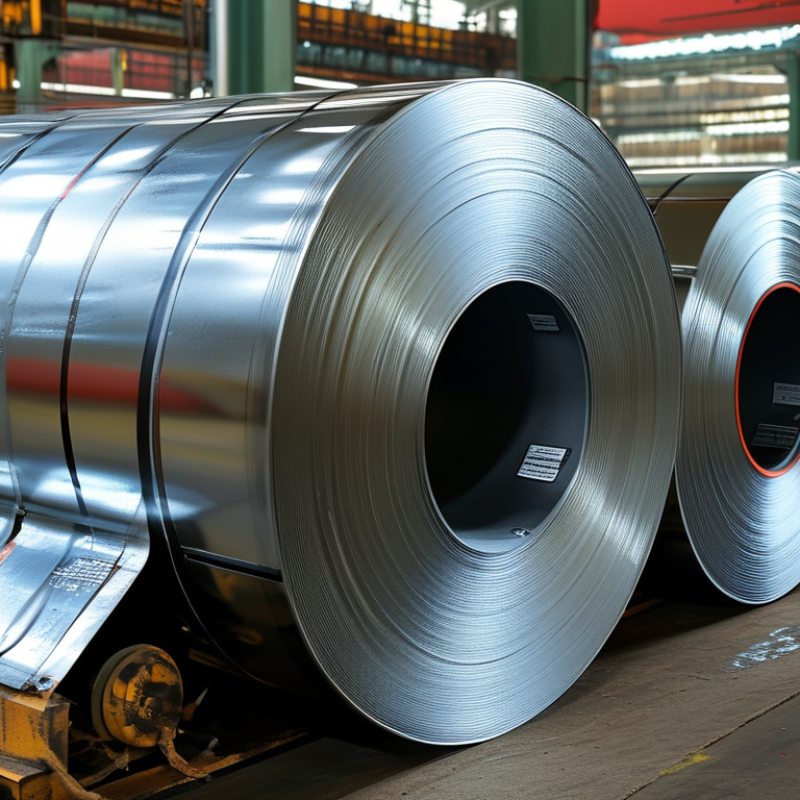
Understanding Galvanized Coils: Definition and Uses
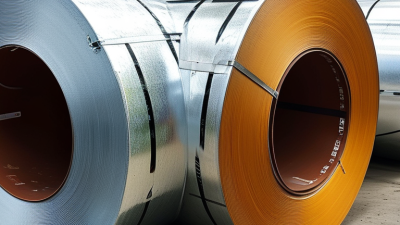
Galvanized coils are essential materials in various industries, particularly in construction and manufacturing. They are steel sheets coated with zinc to prevent rust and corrosion. This added durability makes galvanized coils suitable for outdoor applications. According to industry reports, approximately 70% of galvanized steel products are used in construction, highlighting their importance.
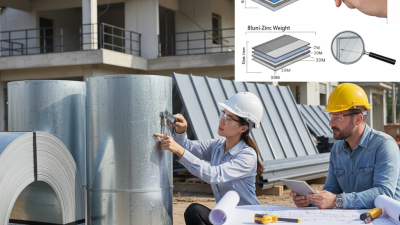
The production process involves hot-dipping or electro-galvanizing. Each method results in different zinc coating weights. Studies indicate that the average coating weight for construction applications is around 275 g/m². Heavy-duty applications might require even more. However, selecting the correct coating weight is critical. Using too light a coating can lead to rust issues, while excessive coating may increase costs unnecessarily.
Understanding the characteristics of galvanized coils is crucial for procurement. Properties such as tensile strength and ductility can vary significantly. Research shows that optimizing these properties enhances product lifespan. Buyers often face challenges in evaluating suppliers and ensuring quality. Many overlook the significance of material certification. Reliable suppliers offer detailed certifications that guarantee compliance with industry standards.
2026 Best Galvanized Coil Buyers Guide for Global Procurement
| Dimension (Width x Thickness) |
Coating Weight (g/m²) |
Applications |
Country of Origin |
Price Range (USD/ton) |
| 1000 mm x 0.5 mm |
180 |
Automotive, Construction |
China |
600 - 700 |
| 1200 mm x 0.7 mm |
275 |
Manufacturing, Appliances |
India |
650 - 750 |
| 1500 mm x 0.8 mm |
300 |
Construction, Fencing |
South Korea |
700 - 800 |
| 2000 mm x 1.0 mm |
350 |
Infrastructure, Roofing |
Japan |
750 - 850 |
Key Factors to Consider When Purchasing Galvanized Coils
When purchasing galvanized coils, several key factors demand careful consideration. One critical aspect is material thickness. The industry standard typically ranges from 0.3 mm to 3.0 mm. Coils thinner than this may not withstand extreme conditions, while thicker options can increase costs unnecessarily. Buyers should evaluate the application's demands, ensuring optimal performance without overspending.
Another vital consideration is zinc coating weight. Coatings are measured in grams per square meter (GSM). Reports suggest that coatings between 100-180 GSM offer an excellent balance for most applications. Lower coatings may lead to rust issues, while higher coatings can create excess weight. It’s essential to find the right coating that suits the environmental conditions and usage of the end product.
The source of galvanization is also crucial. Different production techniques can affect the quality and durability of coils. Hot-dipped galvanization is widely trusted for its uniform coverage and longevity. However, electro-galvanized coils can be more cost-effective for specific uses. Each method has its strengths and potential shortcomings, influencing overall performance and cost efficiency. Always scrutinize the production methods of suppliers to ensure reliable quality.
2026 Best Galvanized Coil Buyers Guide - Key Factors to Consider When Purchasing
Top Global Suppliers of Galvanized Coils in 2026
As the demand for galvanized coils rises globally, identifying top suppliers is crucial. In 2026, the galvanized steel market is projected to reach approximately $150 billion. This growth mirrors the increased use in construction and automotive industries. Leading suppliers are investing in advanced coating technologies to meet evolving customer needs.
Though numerous suppliers exist, finding reliable partners can be challenging. Some companies may lack the necessary certifications, which raises concerns. According to industry reports, quality assurance processes are critical. Any lapse can lead to structural failures or increased maintenance costs. Consequently, buyers should prioritize suppliers with robust track records.
Additionally, the fluctuating prices of raw materials can affect availability. Supply chain disruptions are another concern. Even established suppliers experience inconsistency in delivery times. Therefore, buyers must conduct thorough research and build strategic relationships. An informed approach can mitigate risks associated with procurement and ensure quality in galvanized coils.
Cost Analysis: Budgeting for Galvanized Coil Procurement
Procurement of galvanized coil requires careful budgeting to ensure a successful outcome. The complexity of the market can lead to fluctuating prices, influenced by raw material costs. According to recent industry reports, hot-dipped galvanized steel prices have increased by around 15% over the past year due to supply chain disruptions. Understanding these dynamics is essential for avoiding over-budget expenditures.
When forecasting costs, consider both direct and indirect expenses. Direct costs include the coil itself and shipping fees. Indirect costs may involve storage and handling. A significant report from a leading market analyst indicates that companies underestimate these added expenses by 20% on average. This oversight can strain project budgets and timelines, necessitating more thorough planning.
Amid these challenges, it’s crucial to ensure quality. Some buyers prioritize cost over quality, leading to a higher risk of defects. In 2023, the return rates for low-quality galvanized coils reached alarming levels of 8%. Investing in quality materials upfront might minimize future costs associated with returns or repairs. Awareness and careful analysis can help navigate the complex landscape of galvanized coil procurement.
Future Trends in the Galvanized Coil Market
The galvanized coil market is evolving rapidly. Emerging technologies, such as advanced coating methods, are setting new standards. These innovations promise improved durability and corrosion resistance. Manufacturers are investing in research to enhance traditional processes. This shift reflects a growing demand for high-quality materials.
Sustainability is also becoming crucial. Eco-friendly practices in production are gaining attention. Buyers are seeking coils that minimize environmental impact. This trend raises questions about sourcing and material choices. Not all manufacturers prioritize these practices, leading to varying reliability in products.
Market dynamics are influenced by global trade scenarios. Fluctuations in raw material costs can affect prices. Future buyers must navigate this landscape carefully. Understanding these trends can guide better procurement decisions. Collaboration with knowledgeable suppliers can enhance reliability.