Why Choose Color Coated Coil for Your Next Project?
When considering materials for your next project, "Color Coated Coil" stands out as an excellent choice. Industry expert Dr. Emily Thompson, a leader in architectural design, states, "Color Coated Coil offers unparalleled flexibility and aesthetics for modern applications." This insight highlights its growing popularity in various sectors.
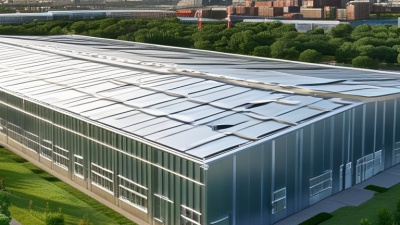
Color Coated Coil, available in diverse colors and finishes, enhances visual appeal. Its durability makes it suitable for both roofing and siding, ensuring longevity. However, some might question its cost-effectiveness compared to traditional materials. It's worth noting that the initial investment can yield significant long-term savings due to reduced maintenance needs.
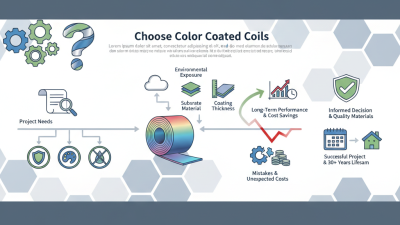
While the benefits of Color Coated Coil are clear, it's essential to consider the specific requirements of your project. Not every application may warrant its use. Assessing factors such as climate and design intent is critical. Embracing this material can elevate your project, yet understanding its limitations is equally important.
Benefits of Using Color Coated Coil in Construction Projects
Color coated coils have become increasingly popular in construction projects due to their numerous benefits. They provide aesthetic appeal while maintaining functionality. According to a report by ResearchAndMarkets, the global color coated steel market is projected to grow by over 5% annually from 2021 to 2026. This growth reflects the rising demand for innovative building materials.
One significant advantage of color coated coils is their durability. They resist corrosion and weathering, which enhances the lifespan of buildings. A study from the U.S. Department of Energy indicates that buildings using these materials can reduce energy costs by up to 30%. This is primarily due to better thermal performance. Additionally, the vibrant colors can increase a project's visual impact, appealing to modern design sensibilities.
Using color coated coils also presents certain challenges. Preparation and installation require skilled workmanship to avoid imperfections. If not applied correctly, color inconsistency can occur, affecting the overall look. It's essential to ensure that the coils meet quality standards, as subpar materials might lead to issues over time. Awareness of these factors is crucial for successful project execution, highlighting the need for expertise in material selection.
Durability and Weather Resistance of Color Coated Coils
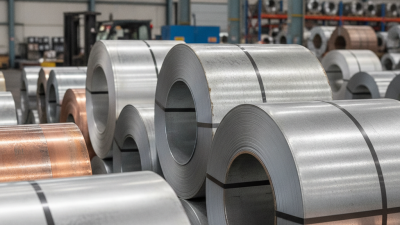
Color coated coils stand out for their durability and weather resistance, making them an ideal choice for various projects. These coils are made from steel or aluminum, coated with a layer of protective color finish. This finish provides not only aesthetic appeal but also shields against harsh environmental factors. According to a report from the Metal Construction Association, color coated metal roofs can last up to 50 years with proper maintenance. This longevity reduces the frequency of replacements, ultimately saving costs.
The weather resistance of color coated coils is crucial in many regions. They can withstand rain, wind, and UV exposure without fading or corroding. A study by the American Iron and Steel Institute indicates that color coated metal panels offer a 25% higher resistance to corrosion compared to uncoated options. This resistance contributes significantly to the material's lifecycle and overall performance.
Tips: When selecting color coated coils, consider the climate of your project location. Areas with high humidity might require additional protective coatings. Always check for the latest performance data to ensure you are choosing coils that meet your project’s needs.
Aesthetic Appeal: Enhancing Design with Color Coated Coils
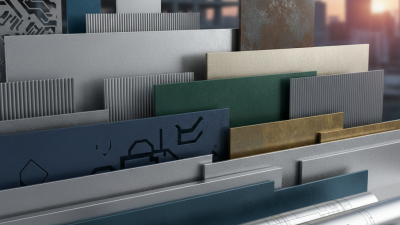
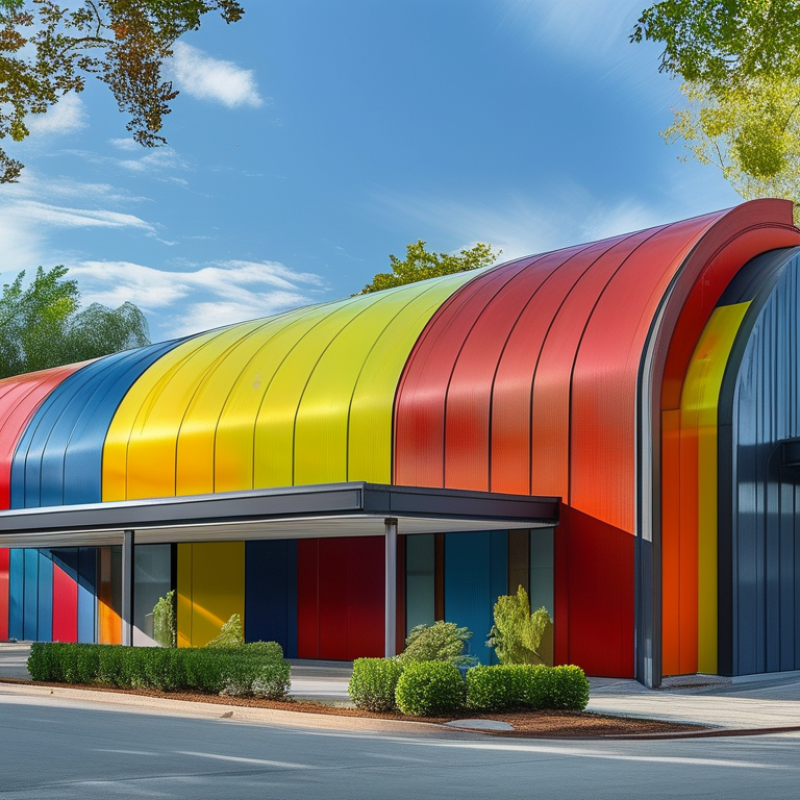
Color coated coils have become a popular choice in modern design, offering an array of aesthetic possibilities. They come in various vibrant hues, allowing designers to create visually striking elements. The vibrant colors can uplift a space, adding personality and warmth. Color coated coils are versatile and can be used in both interior and exterior applications.
The texture of the coils enhances visual interest. A matte finish can evoke a contemporary feel, while a glossy surface adds a touch of elegance. Making the right choice can be daunting. Not every color will complement every design concept. It's crucial to consider how colors interact in different lighting conditions. Some colors might clash with existing elements, so thoughtful selection is key.
Another aspect to ponder is durability. While color coated coils are designed to withstand the elements, not all finishes are equal. Factors such as weather exposure and maintenance can impact their longevity. Designers should weigh aesthetic appeal against practicality. Balancing beauty and functionality is essential for any successful project.
Cost-Effectiveness of Color Coated Coils in Long-Term Use
Color coated coils offer remarkable cost-effectiveness over time. A recent study by the Metal Coating Association found that using these coils reduces maintenance costs by up to 50%. The durability of these materials means less frequent replacements. This longevity translates into significant savings for construction and manufacturing projects.
Color coated coils also enhance energy efficiency. Using light-colored coils can lower cooling costs in warmer climates. Reflective surfaces can reduce indoor temperatures by 10%. This reduction not only improves comfort but also minimizes energy consumption. Data from the Department of Energy indicates that energy-efficient buildings can save up to 30% on energy bills annually.
It's essential to consider potential drawbacks. While color coated coils are resistant to fading, extreme weather can affect their lifespan. In some instances, color chips or scratches may require touch-up painting. Investing in high-quality finishes can mitigate these issues. Ultimately, weighing these factors can lead you to make an informed choice for your next project.
Cost-Effectiveness of Color Coated Coils in Long-Term Use
Environmental Considerations of Color Coated Coil Materials
Color coated coils offer a compelling choice for construction and manufacturing projects. They are not only visually appealing but also environmentally friendly. The production of these materials often incorporates recycled elements. This significantly reduces energy consumption and waste associated with manufacturing processes.
Environmentally, color coated coils also provide benefits in terms of energy efficiency. Their reflective surfaces help in reducing heat absorption, which can lower cooling costs in buildings. This contributes to a decreased reliance on energy during warm months. Despite these advantages, it is essential to consider the entire lifecycle of these materials. There are concerns about the environmental impact of disposal. Some coatings may release harmful substances if not managed correctly.
Selecting color coated coils means being mindful of sustainable practices. The choice of coating materials can influence recyclability. Not every color coated coil is created equal in terms of environmental impact. It’s crucial to research and choose options that align with sustainable values. Understanding these nuances can lead to better decision-making in projects.