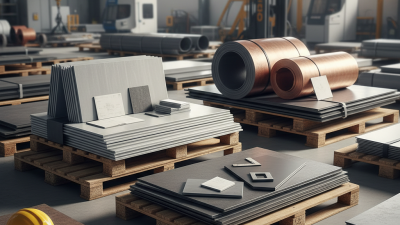
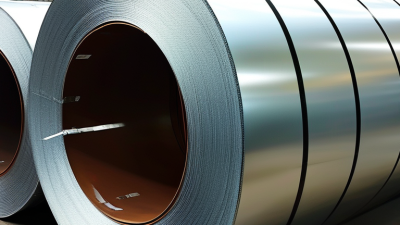
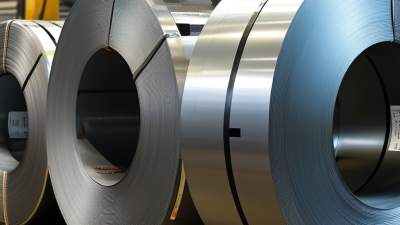
Choosing the best Galvanized Coil for global buyers in 2026 requires more than comparing prices. A reliable decision begins with the service environment, forming method, coating requirement, and delivery route. Outdoor roofing near saltwater needs stronger corrosion protection than indoor panels. Automotive stamping requires consistent zinc coverage and stable mechanical properties. Small differences matter.
“Corrosion is a natural process,” wrote corrosion engineer Mars G. Fontana. His brief statement remains highly relevant to every Galvanized Coil purchase. Zinc does not eliminate environmental risk. It creates a protective barrier and offers sacrificial protection when properly specified. Buyers should therefore review coating mass, steel grade, surface quality, thickness tolerance, oiling, passivation, and edge condition. Certificates should support these claims.
Look closely.
A dependable supplier can provide heat numbers, inspection records, production dates, and clear packing photographs. Coils should arrive with firm strapping, dry wrapping, protected edges, and labels that remain readable after long transport. Traceability reduces uncertainty when a batch reaches a fabricator weeks later. It also makes claims easier to investigate.
The “best” coil is not always the thickest coating or the lowest quotation. That assumption needs reconsideration. Excess coating may affect welding, forming, or dimensional control. A cheaper coil may create hidden costs through rejects, delays, or premature maintenance. Global buyers should compare total service value, not only the invoice. In 2026, the strongest choice will combine verified quality, responsible production, practical logistics, and technical support. Still, no specification can replace site knowledge. Each project deserves its own evidence.
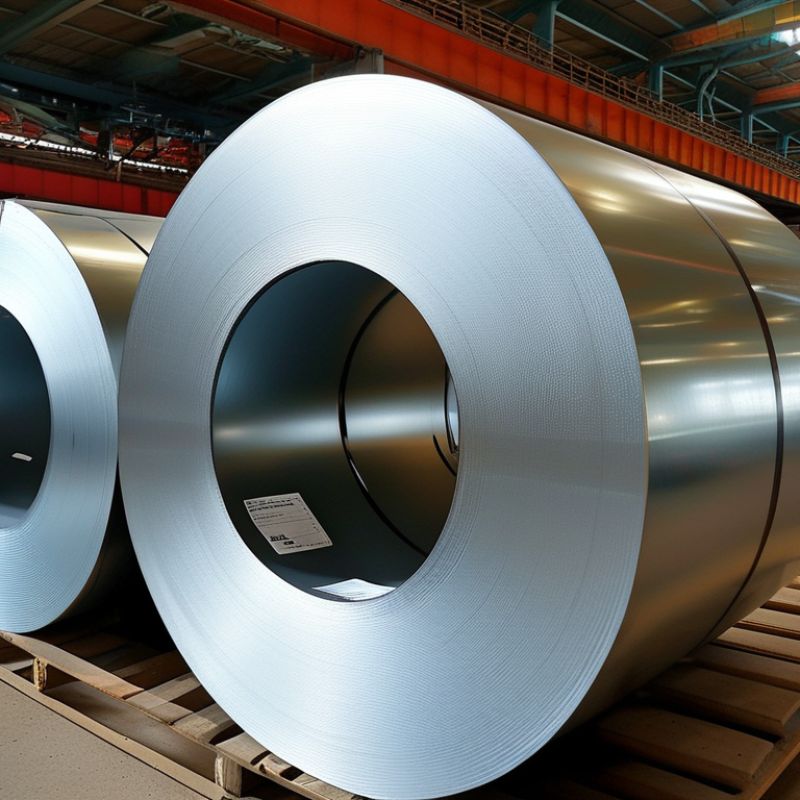
Galvanized coil is cold-rolled steel protected by a zinc coating. Manufacturers first clean the strip, removing oil, scale, and surface oxides. The steel then passes through an annealing furnace before entering a molten zinc bath, usually near 450°C. Air knives control the coating thickness as the strip exits. A final temper pass improves flatness and surface appearance.
The World Steel Association reported approximately 1.89 billion tonnes of crude steel production in 2023. This scale explains why continuous galvanizing remains important for construction, automotive parts, roofing, and appliances. The USGS Mineral Commodity Summaries 2024 estimated global zinc mine production at about 12 million tonnes in 2023. Zinc is valuable, but it is not unlimited. Efficient coating control matters.
Coating design requires more than a bright surface. For example, Z275 generally indicates 275 grams of zinc per square metre across both sides, under EN 10346 conventions. Heavier coatings can improve corrosion resistance, but forming performance may decline. I would not treat one coating number as proof of quality. Coil buyers should verify coating mass, yield strength, surface finish, dimensional tolerance, and test certificates. Salt-spray results can help, yet they do not perfectly reproduce coastal air, industrial moisture, or cut-edge corrosion. The bath temperature is not the whole story. Scrap recovery, line cleanliness, and inspection discipline also shape reliable performance.
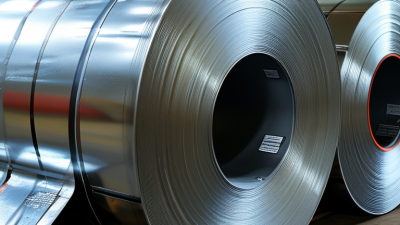
Galvanized coil is steel strip coated with zinc, usually through a continuous hot-dip galvanizing process. The zinc coating protects the steel by acting as a physical barrier and providing sacrificial corrosion protection.
This chart compares common EN 10346 Z coating classes by nominal total zinc coating mass on both sides. A higher coating mass generally provides greater corrosion resistance, while the best choice also depends on forming requirements, surface finish, welding, and the intended service environment.
Data basis: EN 10346 coating designations; values represent nominal total coating mass in g/m² for both surfaces.
For global buyers, the standard is not a decorative line on a certificate. It determines coating mass, strength, dimensions, testing, and claims handling. ASTM A653/A653M suits many North American projects, while EN 10346 covers continuously hot-dip coated flat products in Europe. JIS G3302 remains common in Asian supply chains. These systems are not interchangeable by default. Do not guess.
The World Steel Association’s World Steel in Figures 2025 reports about 1.88 billion tonnes of crude steel production in 2024. That scale creates choice, but also specification risk. On a purchase order, state the base metal grade, zinc coating designation, surface finish, temper, width tolerance, and coil weight. For example, ASTM G90 and EN Z275 both describe total coating mass, but their designation systems and verification practices differ. Request independent checks for coating mass, yield strength, elongation, thickness, and edge condition.
One weak point remains: buyers often compare only zinc mass. That misses forming behavior and storage conditions. Salt exposure, bending radius, and transport humidity can change the practical result. Use ASTM A90/A90M or ISO 1460 methods only when they match the agreed product standard. Keep mill certificates, inspection results, and retained samples. Paperwork is evidence, not proof. An audit still matters.
The best galvanized coil depends on zinc coating, steel grade, and final dimensions. World Steel Association data recorded about 1.88 billion tonnes of crude steel production in 2024. This scale creates many options, but quality still varies between mills and regions. A thicker zinc layer improves corrosion resistance, especially in humid or coastal conditions. However, thicker coating can increase cost and affect welding, bending, and surface appearance. Coating designations such as Z100, Z180, or Z275 indicate zinc mass per square metre, not total thickness.
Steel grade must match the forming process. Low-carbon drawing grades suit deep forming and tight bends. Structural grades offer higher strength but may crack when shaped aggressively. International Zinc Association guidance confirms that zinc provides both barrier protection and sacrificial protection. Still, a strong coating cannot repair poor edge treatment. Dimensions also matter. Confirm thickness tolerance, coil width, inner diameter, outer diameter, and maximum coil weight before ordering. Small errors can stop a production line.
Tips: Request a mill test certificate and coating-mass test report. Check compliance with ISO 4998 or the required regional standard. Compare actual yield strength, elongation, and coating mass, not only the product name. A Z275 coil may be excessive for an indoor panel, while Z100 may disappoint near saltwater. I have seen buyers specify only “galvanized steel” and later discover unsuitable bends. That oversight is avoidable, but not always.
What Is the Best Galvanized Coil for Global Buyers in 2026?
The best galvanized coil depends on application, not the lowest headline price. Buyers should compare steel grade, zinc coating mass, thickness tolerance, width accuracy, and surface finish. Measure the coating. A coil marked Z275 may perform differently if testing is inconsistent or poorly documented. Ask for evidence, including mill test certificates, coating reports, dimensional records, and sample photographs.
Supplier comparison should include more than production capacity. Review inspection procedures, packaging quality, export experience, communication speed, and claim handling. A reliable supplier explains deviations instead of hiding them. Check whether coils arrive with tight winding, dry wrapping, protected edges, and clear identification labels. Small packaging failures can create rust stains before the material reaches the factory floor. I have seen buyers overlook this detail.
Price analysis needs a complete landed-cost model. Add base steel price, zinc coating, slitting or leveling, inland transport, ocean freight, insurance, duties, and payment terms. Compare the same specifications under the same Incoterm. A low quote can still be the wrong quote. Buyers should request a trial coil or independent inspection when volumes are significant. This adds time, and sometimes frustration, but it exposes surface defects, coil shape problems, and inconsistent coating earlier. Not every supplier will welcome strict questions. That itself is useful information.
| Comparison Dimension | Profile A: Commodity Export Supplier | Profile B: Standards-Focused Supplier | Profile C: Custom-Service Supplier | Profile D: Regional Stock Supplier | What Buyers Should Verify |
|---|---|---|---|---|---|
| Typical Product Positioning | Lowest-cost galvanized coil for general construction and fabrication | Consistent material for international projects and regulated applications | Small-batch or technically customized coil for converters and manufacturers | Fast delivery from locally held or nearby inventory | Match the supplier profile with project risk, required volume, and delivery urgency |
| Common Product Standards | ASTM A653/A653M, EN 10346, or JIS G3302 depending on destination | ASTM A653/A653M, EN 10346, JIS G3302, and project-specific specifications | Standard plus approved customer drawings, coating requirements, and processing tolerances | Local or regional standards; availability may be limited to standard grades | Confirm that the certificate standard, grade designation, and purchase order are identical |
| Typical Steel Grade Range | Commercial quality, structural grades, and common forming grades | Commercial, structural, deep-drawing, and selected high-strength grades | Forming grades, structural grades, and selected high-strength grades subject to mill approval | Mostly commercial and structural grades held in stock | Check yield strength, tensile strength, elongation, bend performance, and forming requirements |
| Typical Base-Metal Thickness | 0.30–3.00 mm | 0.40–2.50 mm, with controlled tolerances | 0.30–3.20 mm, subject to production minimums | 0.50–2.00 mm, depending on inventory | Specify nominal thickness, minimum thickness, and allowable tolerance separately |
| Typical Coil Width | 800–1,600 mm | 900–1,600 mm | 600–1,850 mm when the production line supports custom slitting or rolling | 800–1,500 mm | Confirm width tolerance, slit-edge quality, camber, and whether cut-to-width service is included |
| Common Zinc Coating Mass | 60–275 g/m² total both sides | 100–350 g/m² total both sides, subject to standard and grade | 60–450 g/m² total both sides when technically available | 100–275 g/m² total both sides | State coating mass as total both sides or per side; do not compare the two formats directly |
| Representative Coating Classes | Z100, Z120, Z180, Z275 | Z120, Z180, Z275, and project-specific higher coating classes | Z100–Z350 or equivalent coating designations subject to mill capability | Z120, Z180, and Z275 are commonly available | Verify coating uniformity, minimum triple-spot value, single-spot value, and test method |
| Indicative 2026 Export Price Range | USD 650–900 per metric ton | USD 700–980 per metric ton | USD 760–1,080 per metric ton | USD 780–1,150 per metric ton | Use these as planning ranges only; request a same-day quotation based on identical specifications |
| Price Basis | Usually FOB or CFR for full-container or bulk orders | FOB, CFR, or CIF with detailed specification confirmation | FOB, CFR, CIF, or delivered pricing depending on customization | Usually ex-warehouse, delivered, or local-duty-paid pricing | Compare the same Incoterm, destination, currency, payment terms, and tax treatment |
| Minimum Order Quantity | Approximately 20–25 metric tons per specification | Approximately 25–50 metric tons per specification | Approximately 5–25 metric tons, with possible setup or slitting charges | Approximately 1–10 metric tons from available stock | Ask whether MOQ applies per order, per coil, per thickness, per width, or per coating class |
| Indicative Production or Dispatch Lead Time | 25–45 days after order and deposit confirmation | 30–55 days, including technical review and inspection coordination | 35–65 days because of custom processing and production scheduling | 1–14 days when suitable inventory is available | Separate production time, port booking time, customs time, and inland transportation time |
| Surface Finish Options | Regular spangle, zero spangle, passivated, or oiled where available | Regular spangle, minimized spangle, zero spangle, passivated, and oiled options | Surface treatment selected according to painting, forming, or lamination requirements | Limited to stock finishes and available protective treatments | Confirm surface appearance, oiling level, passivation type, and paint-compatibility requirements |
| Quality Documentation | Mill test certificate and packing list; inspection scope varies | Mill test certificate, dimensional report, coating test results, and optional third-party inspection | Mill certificate, inspection plan, process records, and customer-specific test reports | Stock certificate, warehouse records, and basic dimensional documentation | Require heat number traceability from coil label to certificate and shipping documents |
| Packaging and Protection | Export seaworthy packaging with optional vertical or horizontal eye orientation | Export seaworthy packaging, edge protection, moisture protection, and marked coil identification | Packaging adapted to slitting, repeated handling, long-distance transport, or project requirements | Local transport packaging; export reinforcement may cost extra | Specify coil weight, inner diameter, outer diameter, eye orientation, wrapping, and lifting method |
| Best Fit for Buyers | Large-volume buyers prioritizing low base price and standard specifications | Infrastructure, automotive-related, appliance, and compliance-sensitive buyers | Manufacturers needing custom dimensions, forming performance, or processing support | Buyers prioritizing immediate availability and lower inventory risk | The best supplier is the one offering the lowest total landed cost at the required quality level |
| Main Commercial Risk | Price may exclude inspection, inland charges, or specification upgrades | Higher documentation and quality-control costs may increase the quoted price | Custom requirements can increase lead time, setup charges, and production risk | Higher stock price, limited grade choice, and uncertain replenishment availability | Evaluate rejection risk, delay cost, financing cost, duty, freight, and after-sales support |
| Recommended Evaluation Weight | Price 30% · Quality 25% · Delivery 20% · Documentation 15% · Flexibility 10% | Quality 30% · Documentation 20% · Price 20% · Delivery 15% · Flexibility 15% | Technical capability 30% · Quality 25% · Flexibility 20% · Price 15% · Delivery 10% | Availability 30% · Delivery 25% · Price 20% · Quality 15% · Documentation 10% | Adjust the weights according to the cost of delay, material failure, and production interruption |
| Price ranges are indicative 2026 planning benchmarks in USD per metric ton for hot-dip galvanized steel coil and exclude destination duties, local taxes, inland delivery, and exceptional freight costs. Actual offers vary with steel substrate cost, zinc price, order quantity, thickness, width, coating mass, Incoterm, payment terms, destination, and inspection requirements. Obtain comparable quotations using one identical technical specification. | |||||
For global buyers, the best galvanized coil is not the brightest coil. It is the coil with verified chemistry, coating mass, and shipping control.
ASTM A653/A653M certificates should state steel grade, yield strength, tensile strength, thickness, width, and zinc coating designation. Check the heat number against the mill certificate and packing list. Small details matter.
Request coating-mass results from triple-spot and single-spot tests. Confirm dimensional tolerances, camber, flatness, edge condition, and surface defects. A salt-spray result alone is not enough. It cannot fully predict outdoor service life.
The World Steel Association reported 1,888.2 million tonnes of crude steel production in 2023. This huge market increases the need for traceable batches and independent inspection. I would also photograph coil edges, labels, and moisture damage before loading. Buyers sometimes trust the certificate too much. That is a weakness.
Shipping terms must match the actual risk transfer.
UNCTAD’s Review of Maritime Transport 2024 states that over 80% of world trade by volume moves by sea. Under Incoterms 2020, FCA often suits containerized cargo better than FOB. Confirm who pays inland transport, export clearance, ocean freight, insurance, and destination charges.
For CIF or CIP, check the insurance level and claim process. For DAP, clarify import duties and unloading responsibilities. Use seaworthy packaging, waterproof paper, steel strapping, and moisture protection.
Specify delivery windows, demurrage responsibility, inspection timing, and claim evidence. Clear wording prevents expensive arguments. Not perfectly, but much better.