2026 Best Galvanized Pipe Options for Global Buyers?
In recent years, galvanized pipes have gained immense popularity among global buyers. With their corrosion-resistant properties, they are ideal for various applications, from plumbing to construction. Renowned industry expert, Dr. Sarah Thompson, emphasizes, “Choosing the right galvanized pipe can significantly impact the longevity of your project.”
However, selecting the best galvanized pipe can be overwhelming. Different coatings, thicknesses, and standards exist. Buyers often struggle to find a balance between cost and quality. Each option has its own advantages and limitations, making the decision process more challenging.
Understanding the nuances of galvanized pipe types is essential. While some may prefer budget-friendly options, investing in higher-quality pipe can result in long-term savings. As the market evolves, keeping up with advancements in galvanized pipe technology is crucial. Buyers must continuously evaluate their choices to ensure reliability and compliance with current standards.
Overview of Galvanized Pipes and Their Applications
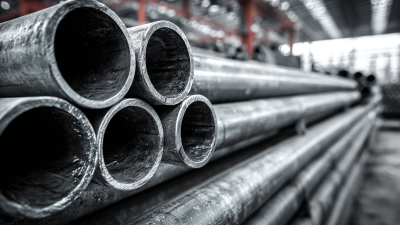
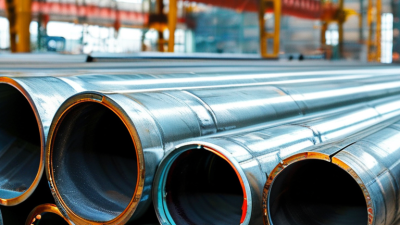
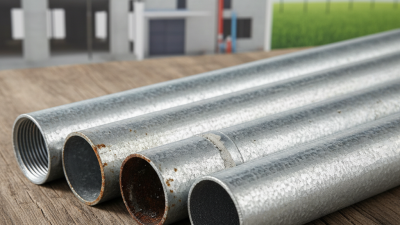
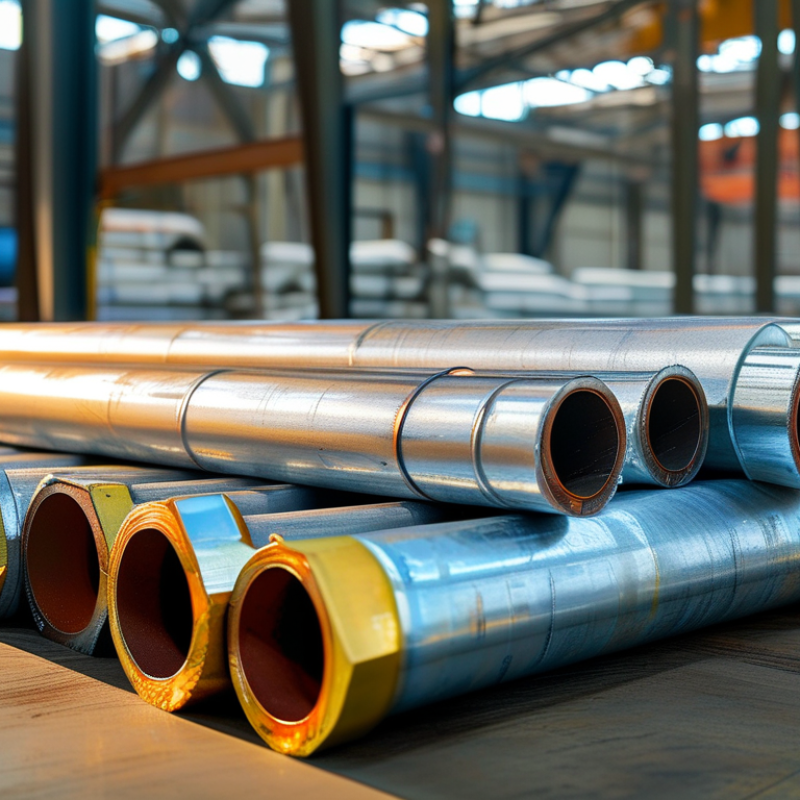
Galvanized pipes are often used in construction and plumbing. They are steel pipes coated with zinc to prevent rust. This coating extends the life of the pipes, making them popular for various applications. Typically, you might find these pipes in water supply lines, drainage systems, and even outdoor structures.
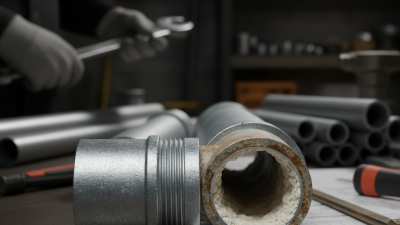
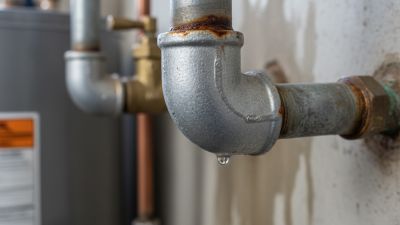
One key advantage of galvanized pipes is their strength. They can withstand high pressure and harsh weather conditions. However, they are not without issues. Over time, the zinc coating may wear off. This can lead to corrosion, especially in areas with poor water quality. Some users report mineral buildup inside the pipes, reducing water flow. Such points deserve attention.
Proper installation is crucial for maximizing the benefits of galvanized pipes. Using appropriate fittings can help maintain the integrity of the system. Yet, not all applications are suitable for galvanized steel. In some cases, alternatives may prove more effective. Buyers should carefully evaluate their specific needs and conditions.
2026 Best Galvanized Pipe Options for Global Buyers
| Pipe Size (inches) |
Wall Thickness (mm) |
Weight (kg/m) |
Length (m) |
Application |
| 1/2" |
2.0 |
2.5 |
6 |
Water Supply |
| 3/4" |
2.5 |
3.6 |
6 |
Oil & Gas |
| 1" |
3.0 |
5.0 |
6 |
Structural |
| 1-1/4" |
3.2 |
6.8 |
6 |
Construction |
| 1-1/2" |
3.5 |
8.0 |
6 |
HVAC |
Key Factors to Consider When Selecting Galvanized Pipes
When selecting galvanized pipes, several key factors come into play. Durability is essential. According to industry reports, galvanized pipes can last over 50 years under the right conditions. However, environmental factors like humidity can significantly reduce this lifespan. Buyers must assess the specific conditions where the pipes will be used.
Another crucial aspect is pipe thickness. Thicker pipes offer better resistance to corrosion and pressure. Industry standards recommend using Schedule 40 or Schedule 80 pipes for heavy-duty applications. Experts suggest checking the internal diameter as well. Smaller diameters can lead to pressure loss over time.
Tip: Always consider the pipe's intended use. For residential plumbing, lighter options may suffice. For industrial applications, prioritize strength and durability.
Lastly, ensure proper installation. Misaligned or poorly connected pipes can lead to leaks. Reports indicate that improper installation contributes to about 30% of early failures in galvanized pipes. Investing time in proper setup pays off in the long run.
Comparison of Top Manufacturers of Galvanized Pipes in 2026
As the demand for galvanized pipes continues to rise, global buyers need to understand their options. Various manufacturers are emerging with distinct offerings in materials and production techniques. Buyers should evaluate specific features of each product, such as coating quality and corrosion resistance. High-quality galvanized pipes provide durability, but not all manufacturers meet these standards consistently.
Consider examining manufacturers’ certifications and customer reviews to gauge their reliability. Some companies may promise high performance but fall short of expectations. Understanding the manufacturing process can also highlight potential weaknesses. For instance, subpar galvanization techniques can lead to premature pipe failure.
Industry experts stress the importance of sourcing from reputable suppliers. A well-informed approach can result in long-term benefits, including cost savings and reduced maintenance. However, not every product labeled as “galvanized” will serve the intended purpose effectively. Buyers must remain vigilant in their assessments to avoid unexpected pitfalls in their purchasing decisions.
2026 Best Galvanized Pipe Options for Global Buyers
Global Trends Affecting the Galvanized Pipe Market
The galvanized pipe market is undergoing significant changes. Increased demand for corrosion-resistant materials is driving this shift. According to a recent industry report, the global galvanized pipe market is expected to grow at a CAGR of 5.3% from 2022 to 2028. This growth is influenced by urbanization and industrial expansion.
Environmental regulations are also impacting the market. Governments worldwide are enforcing stricter standards on emissions and materials used in construction. These measures compel manufacturers to innovate. New coatings and production techniques aim to enhance performance and sustainability of galvanized pipes. It’s a complex landscape where balancing costs and compliance is key.
Competition remains fierce. Many players are scrambling to gain market share. However, not every company is adapting effectively. Some are still relying on outdated methods and materials. This highlights the need for continuous improvement and strategic investment in technology. Buyers must consider these factors carefully as they navigate their purchasing decisions.
Sourcing and Exporting Galvanized Pipes for International Buyers
Sourcing galvanized pipes for international markets requires careful consideration. Buyers must look at various factors.
Quality is paramount. Pipes need to meet specific industry standards. Understanding these standards is crucial for avoiding compliance issues.
Another key aspect is identifying reliable suppliers. Researching manufacturers can save time and resources. Buyers should request samples to assess quality.
Communication is vital, too. Having clear discussions can clarify specifications and reduce misunderstandings. Not all suppliers are transparent about their processes.
Exporting galvanized pipes comes with its challenges. Logistics must be well-planned. Delays can lead to increased costs.
Documentation requirements can also vary by country. Keeping informed about regulations is necessary for smooth transactions. International buyers need to stay updated on market trends. Understanding local demand can enhance procurement strategies.