China Best Steel Pipe Suppliers for Your Global Sourcing Needs?
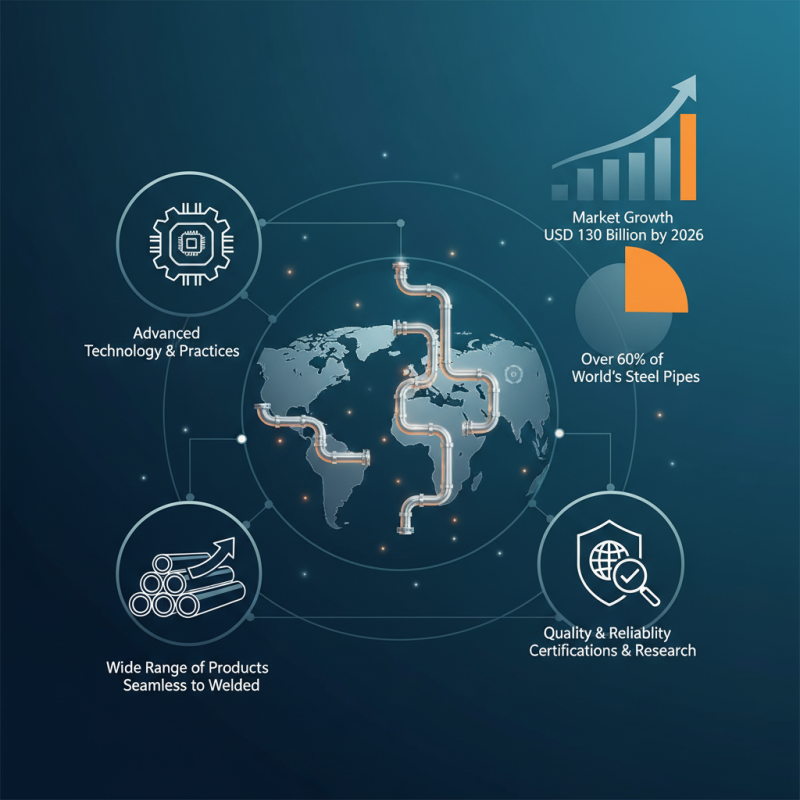
In today's dynamic global market, sourcing high-quality steel pipes is crucial for various industries. The steel pipe market is projected to reach USD 130 billion by 2026, reflecting significant growth. With China being one of the leading producers, it’s essential to identify reliable suppliers.
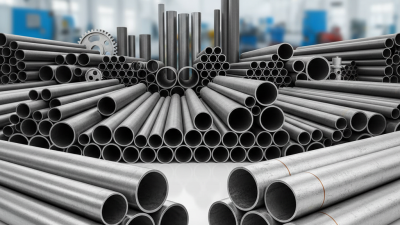
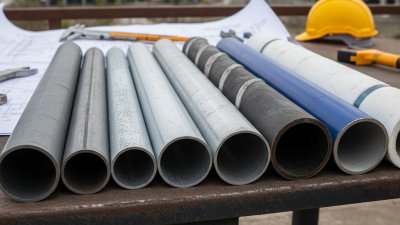
Chinese steel pipe manufacturers leverage advanced technology and state-of-the-art practices. Reports indicate that over 60% of the world’s steel pipes are produced in this region. These suppliers offer a wide range of products, from seamless to welded pipes, tailored for diverse applications such as construction and oil and gas.
However, despite the abundance of options, choosing a supplier can be challenging. Quality differences exist amongst manufacturers. Businesses must consider factors such as certifications, customer reviews, and production capacity. Engaging with suppliers that adhere to international standards ensures product reliability and performance. In this context, thorough research becomes a necessity for successful global sourcing.
Overview of Steel Pipe Industries in China
The steel pipe industry in China has evolved significantly. The country is now one of the largest producers of steel pipes globally. This rapid growth is due to a blend of technology and skilled labor. Many manufacturers focus on meeting international standards. They invest heavily in production techniques to enhance quality.
However, the industry faces challenges. Quality control can vary between different suppliers. Some companies may struggle with consistent production. This inconsistency can lead to potential issues in global sourcing. It’s essential for buyers to conduct thorough due diligence. Engaging in regular audits can help ensure compliance.
The market dynamics are also shifting. Environmental regulations push manufacturers to adopt greener practices. This transition can be costly and complex. Some suppliers may not adapt quickly, impacting their competitiveness. Buyers should be aware of these factors when choosing suppliers. Understanding the landscape is crucial for successful sourcing.
China Best Steel Pipe Suppliers for Your Global Sourcing Needs
| Steel Pipe Type |
Material |
Standard |
Diameter (in mm) |
Length (in meters) |
Application |
| Welded Steel Pipe |
Carbon Steel |
ASTM A53 |
20-500 |
4-12 |
Construction, HVAC |
| Seamless Steel Pipe |
Alloy Steel |
ASTM A106 |
15-300 |
6-18 |
Oil & Gas, Water Supply |
| Galvanized Steel Pipe |
Mild Steel |
ASTM A53 |
25-600 |
3-10 |
Structural, Fencing |
| Stainless Steel Pipe |
304/316 |
ASTM A312 |
15-500 |
6-12 |
Chemical, Food Processing |
| Casing Pipe |
Carbon Steel |
API 5CT |
114-508 |
6-15 |
Oil Well Drilling |
Key Features of Leading Steel Pipe Suppliers
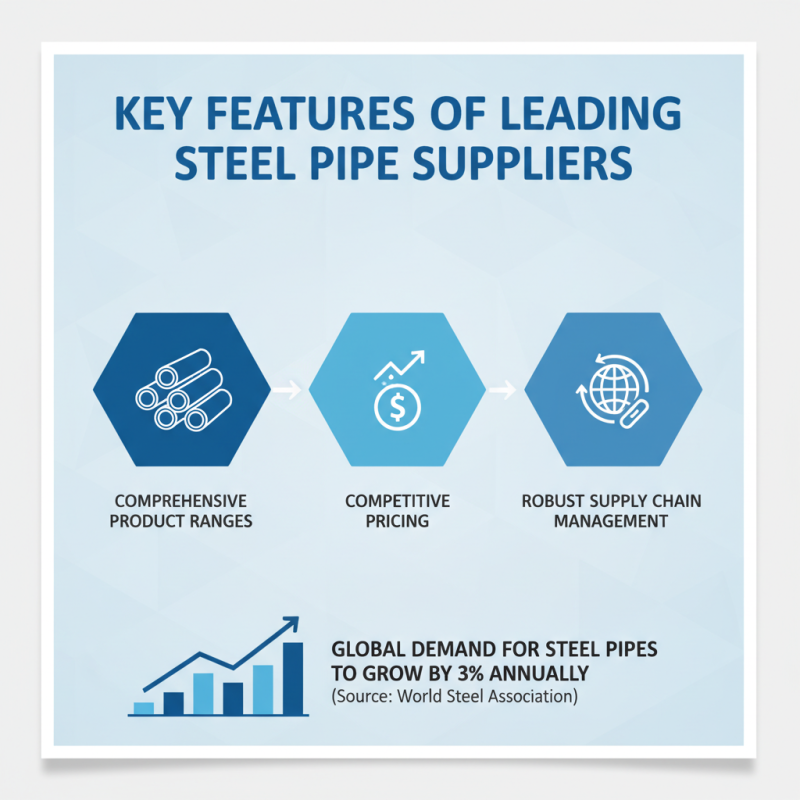
When sourcing steel pipes globally, selecting the right supplier is crucial. Leading steel pipe suppliers are characterized by their comprehensive product ranges, competitive pricing, and robust supply chain management. For instance, research from the World Steel Association indicates that the global demand for steel pipes is expected to grow by 3% annually over the next five years. Suppliers need to adapt quickly to this changing landscape.
A key feature of these suppliers is their focus on quality assurance. Many suppliers implement strict quality control measures that meet international standards, such as ISO 9001. This ensures that the products are reliable and durable. Additionally, advanced technology in manufacturing processes enhances product consistency. However, some suppliers may struggle with maintaining these standards during rapid scale-up phases.
Supplier transparency is another vital aspect. Companies that foster open communication about their sourcing materials and production processes gain trust. A recent industry report noted that 67% of procurement managers prioritize suppliers who can provide detailed certifications and traceability documents. Failing to do so may lead to supply chain disruptions. Effective steel pipe suppliers will continue to reevaluate their practices to improve accountability and reliability in an increasingly competitive market.
Criteria for Selecting the Best Steel Pipe Suppliers
When selecting the best steel pipe suppliers in China, several criteria should come into play. Start by assessing their production capabilities. It's essential to know whether they have advanced technology and modern equipment. This impacts the quality and consistency of the steel pipes they produce. Companies that invest in innovation tend to offer better products.
Another important factor is their certification status. Suppliers should hold relevant industry certifications. This proves they adhere to international standards for safety and quality. Additionally, check their track record in fulfilling orders. Reliable suppliers should have a strong history of timely deliveries. Delays can affect your entire supply chain.
Experience matters too. Suppliers with years in the industry usually understand market fluctuations well. Their knowledge can be invaluable when navigating challenges in global sourcing. Always ask for references to gauge their reputation. Online reviews can provide insights, but personal recommendations carry more weight. Look for a supplier that prioritizes communication and transparency. Strong communication can lead to a more effective partnership.
Top Chinese Steel Pipe Suppliers for Global Trade
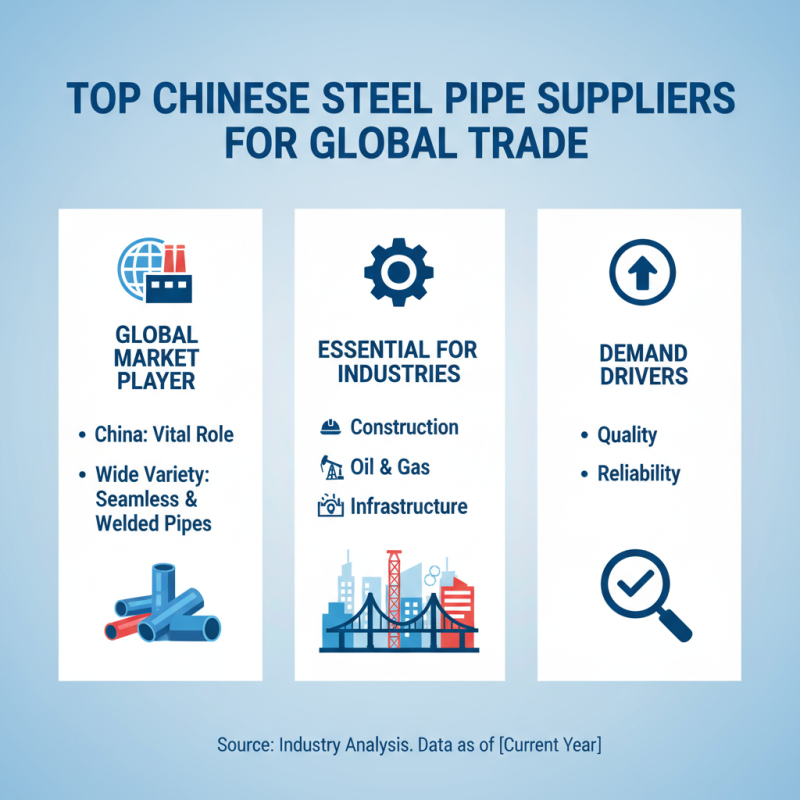
When it comes to sourcing steel pipes, China stands out as a vital player in the global market. Numerous suppliers offer a wide variety of products, including seamless and welded steel pipes. These products are essential for many industries, such as construction, oil and gas, and infrastructure. The demand for quality and reliability drives companies to seek out top suppliers.
One key aspect of working with Chinese suppliers is understanding their manufacturing capabilities. Some factories might excel in producing high volumes but may lack attention to detail. Potential buyers should assess the quality certifications and production processes of each supplier. Visiting factories or requesting samples can provide valuable insights into their standards.
Building a long-term relationship is also crucial. Communication is key, but it can be challenging due to language barriers. Proper negotiation skills help in fostering reliable partnerships. That said, not every supplier may meet expectations initially. Due diligence is necessary to find the right match, ensuring compliance with international quality standards. This ongoing evaluation process can refine sourcing strategies and enhance overall procurement efficiency.
Future Trends in China’s Steel Pipe Supply Market
The steel pipe supply market in China is evolving rapidly. Significant growth is projected, with a forecasted CAGR of 6.5% from 2021 to 2027. This growth is driven by increasing demand in construction and manufacturing sectors. A notable shift is the push for higher quality standards and eco-friendly production methods.
Chinese suppliers are adapting to changing global trends. A recent report indicated that 30% of steel pipe companies have invested heavily in automation. This enhances production efficiency while ensuring compliance with international quality standards. The emphasis on sustainability is more pronounced, with many suppliers adopting recyclable materials. This trend reflects broader environmental concerns.
Yet, challenges remain. Many manufacturers struggle with the fluctuating prices of raw materials. A significant portion has also been affected by trade policies. These factors can impact reliability and pricing in the supply chain. Improvements in supply chain transparency could mitigate some issues. Trust and efficiency are crucial for global partnerships moving forward.