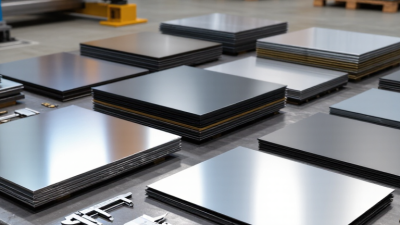
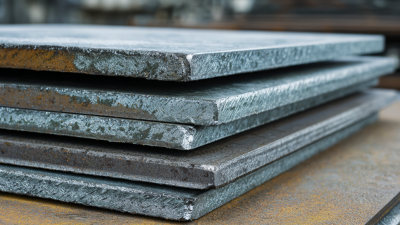
China Top 10 Metal Sheets Manufacturers for Global Buyers
China has become a major sourcing hub for Metal Sheets, serving construction, machinery, automotive, energy, and architectural projects worldwide. For global buyers, the challenge is not finding suppliers. It is identifying manufacturers that combine stable quality, practical capacity, transparent communication, and dependable export experience.
This guide introduces China’s top 10 Metal Sheets manufacturers through a buyer-focused lens. It considers product range, material options, thickness control, surface finishing, production equipment, inspection systems, and delivery performance. Factory capability matters. So does the evidence behind each claim.
Look closely.
A reliable manufacturer should explain its grades, tolerances, testing methods, packaging, and certification clearly. Buyers may also need stainless steel, galvanized, carbon steel, aluminum, or customized sheets for demanding applications. Small details can reveal much, such as edge protection on bundled sheets or moisture-resistant packing during ocean transport.
The ranking is not presented as an absolute judgment. Supplier strengths change with market conditions, equipment upgrades, raw material costs, and order requirements. That limitation deserves attention. A company with advanced machinery may still struggle with communication or small-batch flexibility. Another manufacturer may offer strong customization but require closer quality supervision.
This overview aims to support informed comparison, not replace technical due diligence. Buyers should request recent samples, inspection reports, production photos, and clear commercial terms before placing an order. Experience helps. Verifiable information matters more.
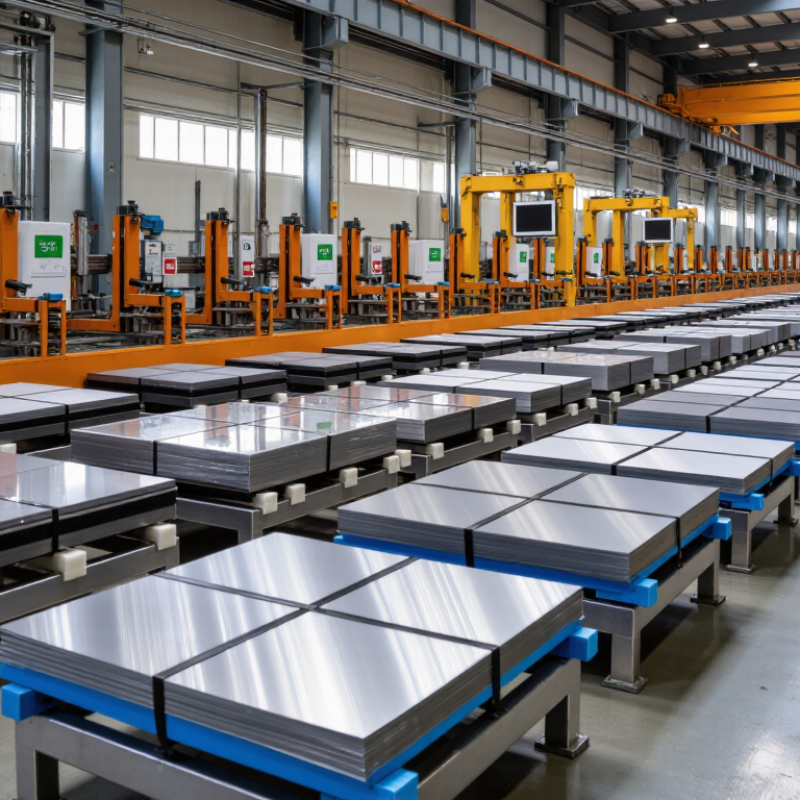
Metal Sheet Manufacturing in China: Industry Scope and Product Types
China’s metal-sheet sector operates within one of the world’s largest steel ecosystems. According to World Steel Association’s World Steel in Figures 2025, global crude steel production reached about 1.88 billion tonnes in 2024. China produced approximately 1.00 billion tonnes, representing more than half of global output. These figures show industrial capacity, not automatic product quality.
The category is broad. Hot-rolled sheets support machinery frames, bridges, and heavy equipment. Cold-rolled sheets offer smoother surfaces and tighter thickness control for cabinets and vehicle components. Galvanized sheets add zinc protection for roofing, ducts, and outdoor enclosures. Stainless steel sheets serve food-processing, medical, and architectural applications. Aluminum sheets provide lower weight, although buyers must assess strength and forming limits carefully. The boundaries are not always neat.
For global buyers, product selection should match the working environment. Thickness, width tolerance, yield strength, surface finish, coil condition, and edge quality need written specifications. The International Organization for Standardization and ASTM International publish widely used testing and material standards. Mill certificates should identify heat numbers, chemical composition, mechanical results, and inspection methods. Independent testing can verify thickness and coating mass. It costs more, sometimes. Yet a low quotation may hide uneven flatness, mixed grades, or weak packaging. The World Steel Association’s sustainability reporting also highlights energy and emissions pressures across steel production, so responsible buyers should request traceability and environmental data.
China’s Top 10 Metal Sheet Manufacturers for Global Buyers
China’s Top 10 Metal Sheet Manufacturers for Global Buyers should be judged by evidence, not factory photographs.
The World Steel Association reported 1,005.1 million tonnes of Chinese crude steel production in 2024.
That represented more than half of global output.
This scale supports broad sheet capacity, including carbon steel, stainless steel, galvanized sheets, and coated products. Yet volume alone proves little. Buyers need traceable production records, stable thickness control, and documented export experience.
A practical shortlist should examine ISO 9001 systems, ASTM, EN, or JIS compliance, and recent mill test certificates. Check yield strength, tensile strength, coating mass, flatness, and surface finish against the purchase specification. Samples should be tested before large orders.
Small details matter. Ask how coils are wrapped for humid sea routes. Confirm whether edge protection, desiccants, and container loading records are provided.
The OECD’s latest steel capacity discussions also highlight continuing global overcapacity concerns, so competitive pricing may hide utilization or quality risks. This is where many rankings become imperfect.
Public data rarely reveals rejected batches, delayed claims, or inconsistent subcontracting.
Buyers should therefore compare three independent quotations, audit production when possible, and verify certificates with issuing bodies.
A strong manufacturer communicates limits clearly, even when the answer is inconvenient.
Quality Standards, Certifications, and Production Capabilities
When comparing China’s top 10 metal sheet manufacturers, global buyers should examine quality systems before production scale. The World Steel Association reported that China produced about 1.005 billion tonnes of crude steel in 2024. That capacity supports broad sheet availability, but volume alone proves little.
Quality begins with traceability.
Look for ISO 9001 certification, controlled heat numbers, calibrated gauges, and inspection records linked to each coil or plate. The ISO Survey 2023 recorded more than 1.26 million ISO 9001 certificates worldwide, showing how common certification has become. It is useful evidence, not a guarantee.
Buyers should request recent audit findings, mill test certificates, and EN 10204 3.1 documentation. Small details matter.
Production capability should match the application.
Ask whether the factory offers hot-rolled, cold-rolled, galvanized, stainless, or coated sheets. Confirm thickness tolerance, maximum coil width, flatness, surface grade, and cutting accuracy. Testing may include tensile strength, yield strength, elongation, coating mass, and chemical composition. Standards such as ASTM, EN, JIS, and GB should appear clearly in technical specifications.
A factory may claim advanced equipment, yet outdated tooling can create uneven edges or unstable tolerances. Independent pre-shipment inspection remains sensible, especially for first orders. Mistakes happen. A serious supplier shows how it detects and corrects them.
Export Services, Pricing Factors, and Buyer Selection Criteria
China Top 10 Metal Sheets Manufacturers for Global Buyers
Choosing among China’s top metal sheet manufacturers requires more than comparing factory photos. Export experience matters. A capable supplier should provide mill certificates, dimensional reports, surface inspection records, and stable packaging standards. Ask whether they regularly handle your destination port, preferred Incoterm, and required customs documents. Clear communication reduces mistakes in thickness, alloy grade, and edge treatment.
Pricing depends on metal grade, sheet size, tolerance, surface finish, order volume, and market fluctuations. Freight can change the final cost sharply, especially for heavy steel sheets. Request a detailed quotation with material, cutting, packing, insurance, and delivery charges separated. A low quote may exclude testing or export packaging. That has caused avoidable budget problems in real purchasing projects. No supplier scores perfectly, and every comparison needs careful verification.
Tips: Request a sample, confirm production lead time in writing, and compare at least three complete quotations. Check how quickly the sales team answers technical questions. Ask for recent inspection evidence, not only general certificates. Visit the facility when the order is large, if practical. Small trial orders are useful, although they may carry higher unit costs. Review tolerances with an engineer before signing. The cheapest option is not always the safest.