Why Choose Galvanized Plate for Your Construction Needs?
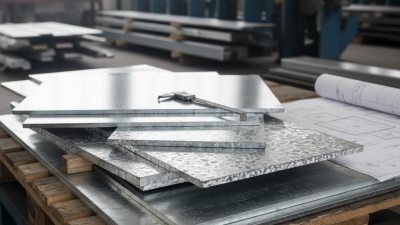
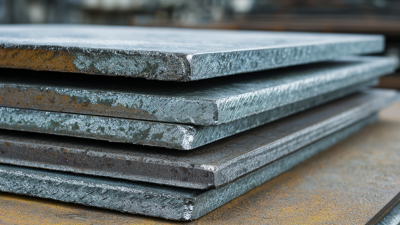
When considering materials for construction, "Galvanized Plate" stands out as a top choice. This sturdy metal offers a reliable solution for various projects, including roofing and structural frameworks. It is coated with zinc, providing enhanced resistance to rust and corrosion, which is crucial for long-lasting durability.
Using Galvanized Plates can also contribute to the overall safety of a construction project. The protective coating helps prevent decay, increasing the lifespan of buildings and structures. However, while these plates are robust, they may not be suitable for every environment, particularly extreme weather conditions. This distinction necessitates careful planning and consideration.
Incorporating Galvanized Plate into your construction needs can lead to significant benefits. Yet, it is essential to weigh its advantages against specific project requirements. A thorough understanding of the material will help ensure optimal performance and reliability over time.
Advantages of Galvanized Plates in Construction Applications
Galvanized plates play a crucial role in construction applications. Their resistance to corrosion makes them ideal for various environments. According to a report by the American Galvanizers Association, galvanized steel can last over 50 years in outdoor conditions. This durability can reduce maintenance costs significantly. Many construction projects have shifted to using galvanized materials to extend the lifespan of structures.
In addition to longevity, galvanized plates are lightweight yet strong. This combination allows for easy handling during installation. A study by the Construction Industry Institute highlighted that using galvanized steel can lead to a 25% decrease in the overall weight of structural elements. This reduction can enhance energy efficiency and reduce transportation costs. However, questions about the environmental impact of galvanizing processes remain. Despite their advantages, some construction professionals advocate for more eco-friendly alternatives.
The aesthetics of galvanized plates add another layer of appeal. They provide a modern, industrial look that's becoming popular in both commercial and residential designs. Yet, the visual quality can vary based on the galvanizing process used. In certain cases, the finish might not meet expectations, leading to discussions about quality control in manufacturing. Choosing the right galvanized plate should involve careful consideration of both its benefits and potential downsides.
Understanding the Galvanization Process and Its Benefits
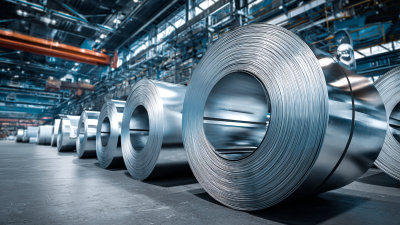
The galvanization process involves coating steel with a layer of zinc. This process prevents corrosion and enhances the material's longevity. According to industry reports, galvanized steel can last over 70 years with proper application. This makes it an excellent choice for construction.
Additionally, the galvanization process occurs through hot-dip or electroplating methods. Hot-dip galvanization submerges steel in molten zinc, creating a robust bond. This bond results in superior corrosion resistance. On the other hand, electroplating uses electrical current to deposit zinc. While effective, it may not provide the same level of protection as hot-dip methods.
Despite its benefits, improper application can lead to failures. Some contractors neglect surface preparation, affecting adhesion. Reports suggest that up to 30% of galvanized products may not perform as expected due to these issues. It's crucial to ensure quality control during galvanization to prevent such pitfalls. Understanding these nuances can lead to better decisions in material selection for construction projects.
Durability and Longevity of Galvanized Steel in Construction
Galvanized steel has become a popular choice in construction due to its outstanding durability. The galvanized coating provides a protective barrier against rust and corrosion. This makes it suitable for various environments, including coastal areas. Picture a building frame exposed to heavy rain and humidity. Over time, untreated steel would deteriorate quickly. In contrast, galvanized steel can withstand these conditions for years.
The longevity of galvanized steel greatly reduces maintenance costs. Construction projects often aim for longevity to ensure a good return on investment. When a material can last decades without significant damage, it becomes a sound choice. However, choosing galvanized steel is not without challenges. Proper sourcing and installation are crucial. If the coating is damaged during installation, the material may not perform as intended. Contractors must be vigilant to ensure the protective layer remains intact.
Weather and temperature changes can also affect the performance of galvanized steel. Understanding these factors is key to maximizing its benefits. Moreover, while galvanized steel offers many advantages, it's important to consider the specific needs of each project. Engaging with experienced professionals can guide decisions toward the best possible outcomes.
Cost-Effectiveness of Using Galvanized Plates in Projects
When considering construction materials, galvanized plates stand out for their cost-effectiveness. Zinc coating on steel prevents rust, extending the lifespan of structures. This durability reduces the need for frequent replacements. Fewer replacements mean lower long-term costs. Projects can stay within budget while maintaining quality.
Moreover, galvanized plates require minimal maintenance. This alone saves both time and money in the long run. On-site labor costs decrease. Workers spend less time dealing with rust and corrosion issues. However, initial costs can sometimes be higher than traditional materials. It’s essential to assess the overall project lifecycle. Considering long-term benefits can sway choices in favor of galvanized plates.
While the initial expense might raise eyebrows, many forget to factor in other expenses. For example, the labor saved over time can add significant value. A careful evaluation reveals that galvanized options often pay off well. Though not always perfect, their many advantages often outweigh the downsides. Thoughtful planning is vital for maximizing cost-effectiveness in construction projects.
Cost-Effectiveness of Using Galvanized Plates in Construction Projects
This bar chart illustrates the cost-effectiveness of using galvanized plates versus other materials in various construction projects. The data reflects average costs and durability metrics, showcasing the advantages of galvanized plates in terms of longevity and reduced maintenance costs.
Common Applications of Galvanized Plates in the Building Industry
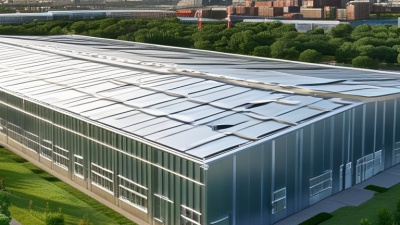
Galvanized plates have become a popular choice in the building industry due to their durability and resistance to corrosion. These plates undergo a galvanization process, which involves coating steel with zinc. This process creates a protective barrier, making them ideal for various construction scenarios. Often, galvanized plates are used in roofing, cladding, and structural support beams. Their ability to withstand harsh weather conditions makes them indispensable for outdoor applications.
Another common use of galvanized plates is in the manufacturing of scaffolding and frames. These components require strength and reliability to support workers safely at height. The zinc coating contributes significantly to the longevity of these structures. Additionally, galvanized plates can be found in water tanks and pipes. Their resistance to rust ensures that they maintain the quality of water over time, reflecting their versatility in different environments.
Despite their advantages, some challenges accompany galvanized plates. The coating can be uneven in some instances, leading to localized weak spots. This can become a concern if not addressed during the construction phase. Workers need to inspect the plates for quality, ensuring they meet safety standards. While galvanized plates provide many benefits, builders must remain vigilant and proactive in their application.
Why Choose Galvanized Plate for Your Construction Needs? - Common Applications of Galvanized Plates in the Building Industry
| Application Area |
Benefits of Galvanized Plates |
Common Thicknesses (mm) |
Typical Uses |
| Roofing |
Corrosion resistance, long lifespan |
0.4 - 1.5 |
Metal roofs, siding |
| Structural Components |
Structural integrity, lightweight |
1.0 - 2.5 |
Beams, columns, supports |
| Fencing |
Durability, low maintenance |
1.2 - 3.0 |
Commercial and residential fencing |
| HVAC Systems |
Thermal efficiency, moisture resistance |
0.5 - 2.0 |
Ductwork, ventilation systems |
| Automotive Parts |
Rust prevention, lightweight |
0.7 - 3.0 |
Chassis, body panels |