Essential Tips for Choosing Galvalume Steel Coil for Your Projects?
When embarking on a project that requires durable and reliable materials, choosing the right type of steel is crucial. Galvalume Steel Coil has gained popularity in a variety of industries due to its unique properties. This material combines the best features of aluminum and zinc, offering excellent corrosion resistance and a longer lifespan compared to traditional steel.
However, selecting the right Galvalume Steel Coil can be challenging. It's essential to consider your project's specific needs, such as environmental conditions and structural requirements. Not all coils are the same; variations in thickness, coating, and manufacturing can significantly impact performance. Additionally, not every supplier offers high-quality products. Researching suppliers and understanding their reputation is vital.
Reflecting on your project goals will guide you in making informed choices. Balancing cost and quality is critical. Sometimes, the cheap option may not perform well over time. Prioritize long-term value to avoid future frustrations. By focusing on these factors, you can make a well-informed decision that enhances the success of your project.
Understanding Galvalume Steel Coil: Definition and Composition
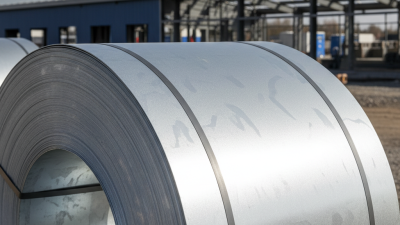
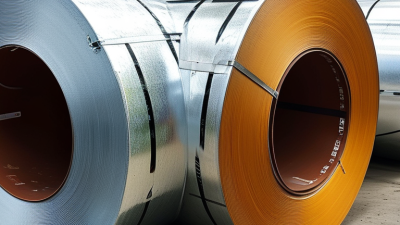
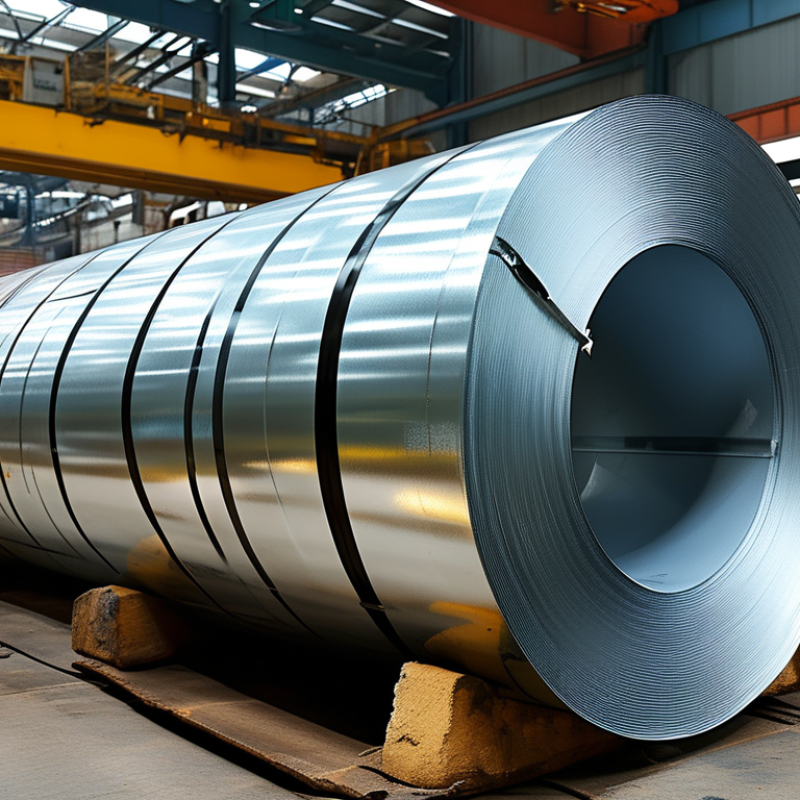
Galvalume steel coil is a high-performance material known for its durability and corrosion resistance. It consists of a substrate made of steel coated with a layer of aluminum-zinc alloy. This composition provides superior protection against rust and enhances longevity in various applications. Understanding its properties is crucial for making informed purchasing decisions.
When choosing galvalume steel coil, consider its thickness and coating weight. Thicker coils may offer better protection but can be heavier and more challenging to work with. It's essential to assess your project's specific needs to find the best fit. Pay attention to the coating thickness, measured in grams per square meter, as it influences the coil's performance in different environments.
Evaluate the intended use of the galvalume steel coil. Will it be exposed to harsh weather conditions? If so, a higher coating weight may be necessary for adequate protection. Conducting thorough research and consulting with industry professionals can help clarify your choices. Remember to reflect on the long-term implications of your selection, as selecting the right material now can save costs and effort in the future.
Key Benefits of Using Galvalume Steel Coil in Construction Projects
Galvalume steel coil is gaining popularity in construction projects due to its remarkable benefits. One key advantage is its excellent corrosion resistance. The unique coating of aluminum and zinc provides a protective barrier. This helps structures endure harsh weather conditions, extending their lifespan significantly. Projects in coastal regions benefit greatly from this feature.
Another noteworthy benefit is its cost-effectiveness. Galvalume steel is often less expensive than other materials. Its durability reduces maintenance and replacement costs over time. This makes it a practical choice for budget-conscious builders. Furthermore, the lightweight nature of galvalume steel makes it easier to handle and install.
Despite its merits, it's essential to consider the specifics of your project. Not every application may maximize the advantages of galvalume steel. Some environments could lead to its premature wear. Assessing the long-term impact is crucial. Selecting the right material requires careful thought and planning, as each project presents its own set of challenges.
Essential Tips for Choosing Galvalume Steel Coil for Your Projects - Key Benefits of Using Galvalume Steel Coil in Construction Projects
| Feature |
Description |
Benefits |
| Corrosion Resistance |
Galvalume steel coils offer superior resistance to rust and corrosion compared to traditional galvanized steel. |
Longer lifespan and lower maintenance costs. |
| Cost-Effectiveness |
While slightly more expensive than galvanized steel, Galvalume offers better value over its lifespan. |
Reduced overall project costs due to longevity and durability. |
| Versatility |
Can be used for a wide range of applications including roofing, siding, and structural components. |
Flexibility in project design and construction. |
| Energy Efficiency |
Reflective properties help in maintaining cooler temperatures in buildings. |
Lower energy consumption for heating and cooling. |
| Environmental Impact |
Made from recycled materials and fully recyclable themselves. |
Sustainable building practices. |
Factors to Consider When Selecting Galvalume Steel Coil
When selecting Galvalume steel coil for projects, consider various factors that impact performance and longevity. One key aspect is the coating thickness. A typical Galvalume coating ranges from 0.15 to 0.28 mils. Selecting the right thickness can enhance resistance to corrosion, especially in coastal areas where salt exposure is high. Industry reports indicate that a thicker coating can substantially prolong the life of the steel in such environments.
Another important factor is the steel substrate quality. The standard for Galvalume involves galvanized steel that meets specific tensile strength requirements. According to industry standards, steel strength should ideally fall between 50,000 to 80,000 psi. Choosing higher-grade steel may result in better resilience against physical damage. However, this can also increase costs, presenting a trade-off that needs careful evaluation.
Surface finish is equally critical. A smooth finish may provide better aesthetics, but rough surfaces can enhance paint adhesion. Essentially, the choice between appearance and functionality requires introspection. Lastly, always check for compliance with ASTM specifications, as this assures reliability and performance. Balancing these factors will lead to a satisfactory and effective material choice.
Comparing Galvalume Steel Coil with Other Coating Options
When selecting Galvalume steel coil, it’s crucial to compare it with other coating options. Galvalume offers superior corrosion resistance due to its unique aluminum-zinc alloy coating. Industry reports indicate that it significantly outlasts galvanized steel in environments with high humidity and salt exposure. Specifically, Galvalume can provide up to 60% more corrosion resistance in such conditions.
In comparison, galvanized steel, while cost-effective, typically exhibits limited longevity. It can degrade quickly in harsher climates. Additionally, the zinc coating can become brittle over time, leading to premature failure. By contrast, Galvalume's coating adheres better and maintains its protective qualities for a longer period. Painting options on Galvalume also show improved adhesion, giving architects and builders greater flexibility.
However, it's essential to consider that Galvalume may not be suitable for every application. Some projects may require additional coatings for UV protection, which can complicate the decision-making process. The upfront investment in Galvalume can be higher, which might deter some budget-conscious projects. Understanding these nuances is vital for making informed decisions that align with both performance needs and cost expectations.
Proper Storage and Handling Guidelines for Galvalume Steel Coil
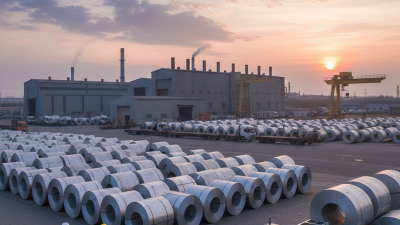
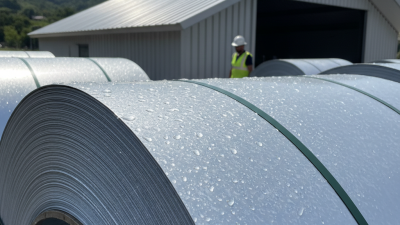
Proper storage and handling of Galvalume steel coil is vital for maintaining its quality. Moisture can lead to rust and corrosion. The recommended relative humidity for storage areas is below 50%. Additionally, ensure that coils are stored on raised platforms, away from direct ground contact. This helps prevent moisture accumulation. According to industry standards, it is essential to minimize exposure to harsh environmental conditions.
When handling Galvalume steel coils, safety gear is a must. Workers should wear gloves and goggles to avoid injury. Use proper lifting techniques to prevent accidents. It's crucial to avoid dropping the coils, as dings can compromise the material's integrity. Reports indicate that improper handling can result in a reduction of the coil’s lifespan by up to 30%.
Inspecting coils before use is also important. Look for any signs of damage or corrosion. Such flaws could worsen during the manufacturing process. A study highlighted that 25% of project delays are due to handling issues related to steel coil. These details are not just details; they significantly impact the quality and durability of the finished product.