Top 10 Tips for Choosing Color Coated Coil for Your Projects?
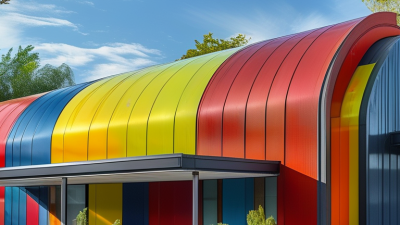
When selecting the right materials for your projects, "Color Coated Coil" stands out as a versatile choice. Industry expert John Smith, recognized for his extensive knowledge in metal coatings, noted, "The right color can elevate your project from ordinary to extraordinary." This statement emphasizes the critical role color plays in design and function.
Understanding the nuances of Color Coated Coil can be challenging. Different finishes and colors serve distinct purposes. For instance, a matte finish may be ideal for roofing, while a glossy look enhances the aesthetic appeal of interior applications.
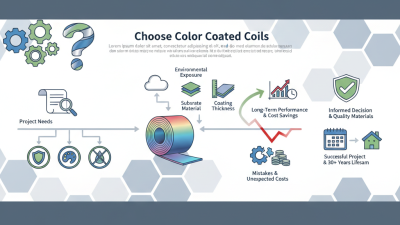
Choosing the best option requires more than just personal taste. It demands familiarity with market trends and durability considerations. Decisions should be informed by both current needs and future sustainability. Mistakes in selection can lead to project setbacks. Each choice in color and finish has its implications. Thus, careful consideration is essential.
Understanding Color Coated Coil: Key Features and Benefits
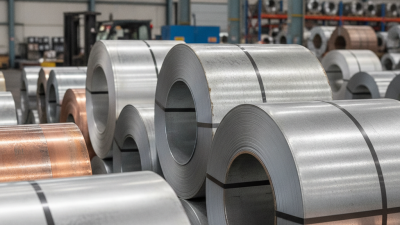
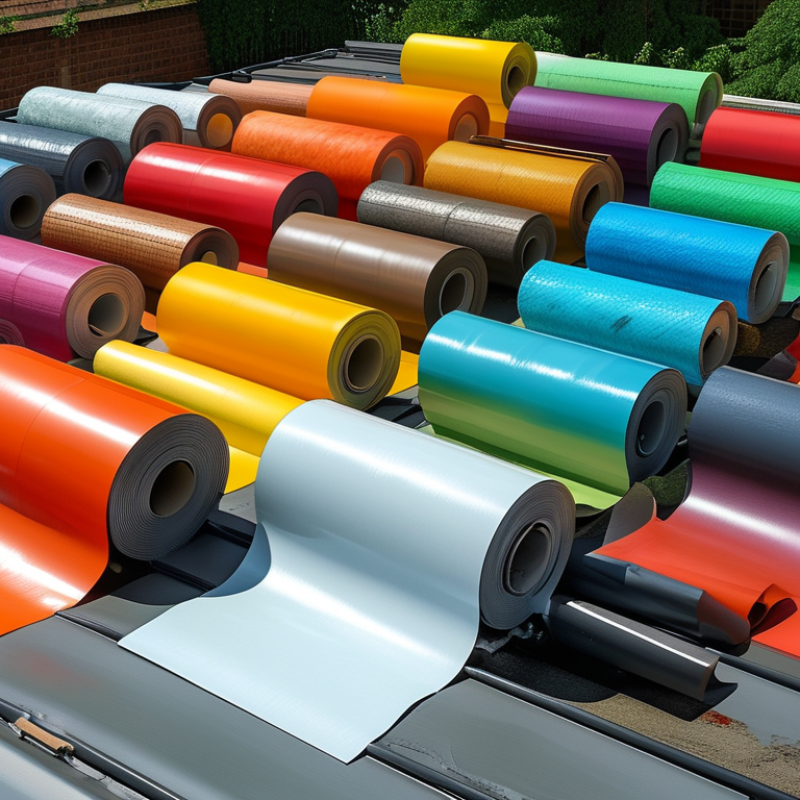
Color coated coils are popular materials across various industries, known for their versatility and aesthetic appeal. They offer numerous benefits, including enhanced durability and resistance to corrosion. According to a report by Grand View Research, the global color coated steel market was valued at approximately $25 billion in 2022, indicating a growing demand for these materials.
One key feature of color coated coils is their UV resistance, which allows for longer-lasting color retention. This is particularly important in construction projects where exterior aesthetics matter. The coatings often include polyvinylidene fluoride (PVDF) and polyester materials that provide additional protection. Research shows that coils with these coatings can last over 20 years without significant fading. Yet, it remains crucial to evaluate the quality of the coating; not all products on the market meet the same standards.
Consider also the environmental impact of your choice. Many manufacturers are moving towards eco-friendly coatings, aligning with global sustainability trends. However, some products may still contain harmful chemicals. Always ask about the content and manufacturing process when choosing a supplier. Reviewing data on emissions and sustainability will guide you toward more responsible selections, enhancing both your project and industry reputation.
Factors to Consider When Selecting the Right Color Coated Coil
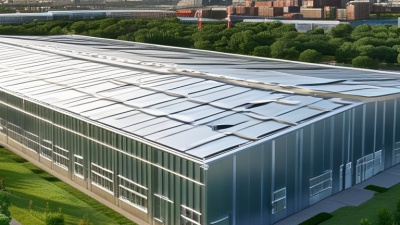
Choosing the right color-coated coil for your projects requires careful thought. Several factors come into play. The intended use of the coil significantly influences your selection. For outdoor applications, durability is key. The coating must withstand UV rays and harsh weather conditions. A recent industry report highlighted that 30% of coil failures stem from inadequate UV resistance.
When evaluating color options, consider the visual impact. Colors affect heat absorption and aesthetic appeal. Light colors reflect heat better, which can improve energy efficiency. A study showed that energy-efficient choices reduce cooling costs by up to 25%.
Additionally, pay attention to the thickness of the coil. Thicker materials provide added strength but may increase weight. The right balance will depend on your project's specific requirements.
Tip: Always request samples before making a final decision. This helps in assessing both color and texture. Ensure that the chosen color meets your expectations before committing. Another tip: think about long-term maintenance. Coated coils can require varying levels of upkeep.
Top 10 Tips for Choosing Color Coated Coil for Your Projects
| Factor |
Description |
Importance |
| Material Type |
Choose between different materials like steel, aluminum, and galvanized. |
High |
| Coating Thickness |
Consider the thickness of the color coating for durability. |
High |
| Color Options |
Select colors that fit your project's aesthetic and function. |
Medium |
| UV Resistance |
Check how well the coating withstands UV exposure over time. |
High |
| Environmental Regulations |
Ensure compliance with local environmental standards. |
High |
| Finish and Texture |
Decide on matte, glossy, or textured finishes based on usage. |
Medium |
| Cost |
Evaluate the cost-effectiveness based on your budget. |
High |
| Supplier Reputation |
Research suppliers for quality and reliability. |
Medium |
| Installation Requirements |
Consider how easy it is to install the coated coil. |
Medium |
| Maintenance |
Look into the maintenance needs for the coated coil. |
Medium |
Evaluating Different Coating Materials for Durability and Aesthetics
When evaluating different coating materials for color-coated coils, focus on durability and aesthetics. The right coating can enhance the lifespan of your project. Consider factors like weather resistance and UV stability. Some materials may fade over time, affecting the overall appearance. Keep an eye on performance data to guide your choice.
Aesthetics matter too. Look for finishes that align with your design vision. Matte, glossy, or textured options can create different visual impacts. It’s crucial to balance beauty with functionality. Not all coatings perform equally in different climates. Test samples in various conditions to observe their performance over time. This ensures you make informed decisions with real-world standards in mind.
Many projects falter due to overlooked details. Examine the compatibility of coatings with your substrate. Poor adhesion can lead to peeling or corrosion. Small factors can drastically change your results. Being meticulous in your evaluation process can prevent costly mistakes down the line.
Color Coated Coil Material Properties
Color Selection: How to Choose the Perfect Hue for Your Project
Choosing the perfect hue for your project is crucial in impacting its overall aesthetics. Color psychology reveals that colors can evoke emotions and influence perceptions. According to a report by the Color Marketing Group, 90% of consumer judgments are based on color alone. Therefore, selecting the right shade is not just a matter of preference; it can affect your project's success.
Consider the environment where your color-coated coil will be used. For instance, in urban areas, muted colors may blend well with the surroundings, creating a harmonious look. However, vibrant colors can stand out and draw attention in less busy environments. Additionally, the right color can also enhance sunlight absorption and reflectivity, contributing to energy efficiency. Reports indicate that lighter colors can reflect up to 80% of solar energy, thus improving building energy management.
Reflecting on personal taste is important, but balancing it with practical considerations is vital. Think about how weather conditions might affect the color's longevity. Some darker shades may fade faster in sunny climates. Learning about these factors is essential, yet it's easy to overlook them when rushing towards a decision. Ultimately, it's about finding a shade that not only resonates emotionally but also meets practical needs.
Cost Considerations: Budgeting for Color Coated Coil Options
When selecting color coated coils for your projects, cost considerations are crucial. Reports indicate that the price of color coated coils varies based on the material type, coating thickness, and color finish. A comprehensive analysis conducted by the Metal Coatings Association shows the average cost for standard options ranges between $2.50 to $6.00 per square foot. This variability can impact your overall budget significantly.
Allocate a budget that accommodates your project's scope. Consider both short-term costs and long-term value. A more durable finish may command a higher upfront price but could reduce future maintenance costs. For instance, a coil with a higher PVDF (Polyvinylidene fluoride) coating could last longer. However, this could require an initial investment of 20-30% more.
Tip: Evaluate the lifecycle cost of coatings. Research shows that investing in higher quality can lead to savings over time. Another consideration is the availability of color options. Some custom colors might incur additional costs, potentially affecting your project timeline. Always consult with trusted suppliers to get accurate quotes and avoid unexpected expenses.